

 SkillClick
How Custom Book Boxes Protect Books and Boost Sales (A Complete Guide)
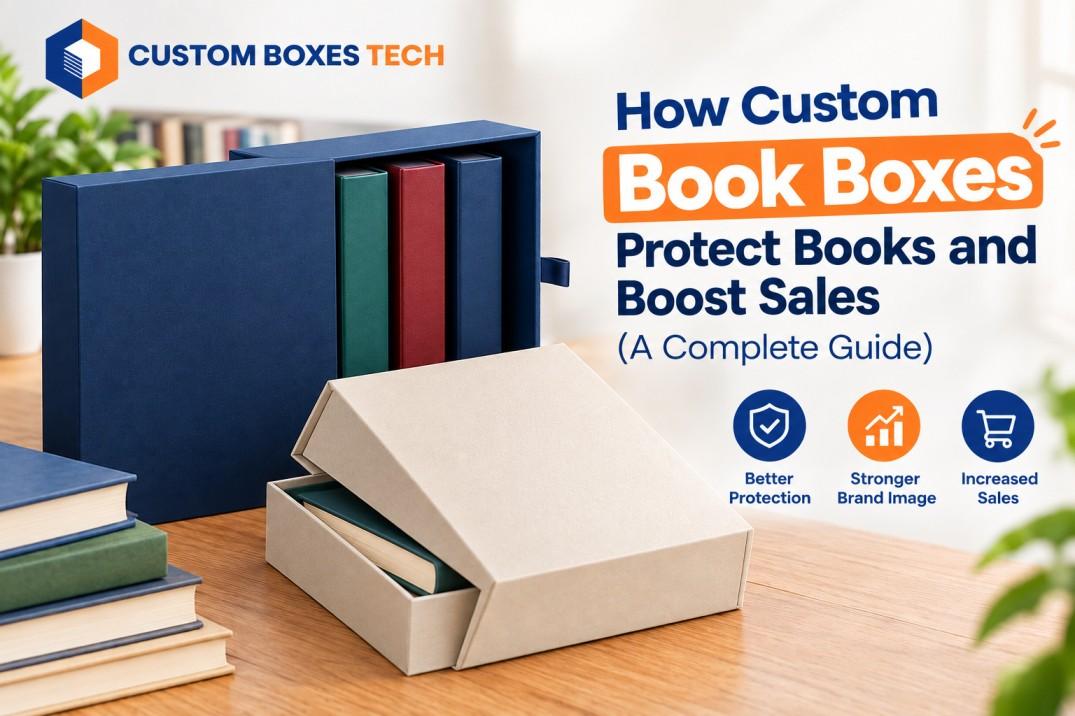
Sending a book out into the world takes massive effort. Finding the best way to present and protect that literary work requires equal attention. High-quality packaging gives literature a safe journey across the country. It prevents bent corners. It prevents crushed spines. Using Custom Book Boxes guarantees a stunning presentation upon arrival.
A beautiful box excites readers before they even turn the first page. It turns a simple mail delivery into a memorable event. You want readers to remember the title, the author, and the delivery method. Good packaging builds trust immediately. It tells buyers that the product inside holds real value.
What Makes Custom Book Boxes Essential for Every Publisher?
Readers love opening new releases. The unboxing experience plays a massive role in modern book sales. When buyers receive a sturdy, beautiful box, they feel happy. They grab their phones instantly. They record videos of the package. They share the artwork on social media platforms. This free marketing helps authors sell more books. Standard envelopes fail to protect heavy pages. Thin mailers crush easily under heavy packages in the mail system.
Specialized custom book box packaging solves these major shipping problems. Designers build these enclosures to fit exact dimensions perfectly. The snug fit stops the book from sliding around during transit. A tight box limits friction entirely. It stops expensive dust jackets from tearing. Strong corners absorb heavy shocks during rough transit trips. Publishers save money because they process fewer damage returns. You build a strong brand identity when every single package looks professional and arrives safely at its destination.
Choosing the Right Paperboard Material for Maximum Protection
Picking the proper material determines the overall strength of the box. You must match the board thickness directly to the shipping weight of the book. Heavy books need strong, thick walls. Light paperbacks need flexible, thin cardstock. Choosing the correct material keeps shipping costs low while maximizing safety.
Review the four best materials for book packaging:
-
Rigid chipboard: Factories build this board exceptionally thick (1.5mm to 3.0mm). It creates a heavy, luxurious feel. Publishers use it specifically for special editions and expensive box sets.
-
Corrugated board: This material features a wavy paper layer glued between two flat paper sheets. E-flute and B-flute options offer amazing crush resistance. You need this specific material for long-distance postal shipping.
-
Cardstock: This lightweight paperboard ranges from 14pt to 24pt in thickness. It works perfectly for retail store displays and light novels.
-
Kraft paper: Manufacturers create this brown paper directly from unbleached wood pulp. It resists tearing exceptionally well. It offers an eco-friendly packaging option for green brands.
Measuring Exact Sizes for a Perfect Snug Fit
You must measure the height, width, and spine thickness carefully. Always include the dust jacket in your final measurements.
Use this sizing table to plan your structural design:
|
Book Format |
Common Dimensions (W x L x Depth) |
Recommended Material |
|---|---|---|
|
Trade Paperback |
5.5" x 8.5" x 1.0" |
18pt Cardstock |
|
Standard Hardcover |
6.0" x 9.0" x 1.5" |
Single-Wall E-Flute |
|
Deluxe Graphic Novel |
8.0" x 11.0" x 1.25" |
24pt Rigid Paperboard |
|
Multi-Volume Box Set |
6.5" x 9.5" x 4.0" |
2.5mm Rigid chipboard |
Exploring Print Methods and Ink Options
Vibrant colors catch the eye immediately. High-quality custom printed packaging turns a plain brown box into a collectible work of art. Printers use two main methods to apply ink to paperboard. Your choice depends heavily on your budget and your total order size.
Offset printing works best for massive orders. It uses large metal plates to press wet ink onto the paper. This method delivers the absolute highest color accuracy. It makes cover photographs look sharp and vivid. You save money per box when you order thousands of units at once.
Digital printing skips the metal plates entirely. Printers send the digital art file straight to the press machine. This method works perfectly for small orders. Self-published authors love digital prints because they cost less upfront. For standard images, designers use the CMYK color model. If a brand needs an exact match for a logo, printers use the Pantone Matching System. Pantone colors look exactly the same every single time.
Adding Premium Finishes and Protective Coatings
Raw ink needs strong protection. Protective clear coatings stop ink from scratching off during shipping. Coatings also block moisture effectively. They stop greasy fingerprints from ruining the beautiful cover art. Different finishes change how the box feels in the reader's hands.
Consider these top lamination options:
-
Matte Lamination: Creates a flat, smooth look. It makes deep colors look serious and modern.
-
Gloss Lamination: Adds a high shine to the surface. It makes bright colors pop completely off the cardboard.
-
Soft-Touch Lamination: Gives the box a soft, velvety feel. Readers love holding soft-touch boxes.
To make the title stand out, you can add special visual effects. Spot UV applies a thick, shiny clear coat directly over the text. Metallic hot foil stamping presses shiny gold or silver foil firmly into the paper. Embossing pushes the cardboard up to create a 3D effect.
Selecting the Best Box Styles for Publishing Formats
The structural shape of the box matters just as much as the artwork. The right shape improves the unboxing process tremendously. Different types of books need different box structures for maximum safety.
Review these popular box styles:
-
Open-Face Slipcases: These hard sleeves cover three sides of the book. They leave the spine showing clearly. They look beautiful on retail shelves.
-
Tuck-Top Mailer Boxes: Factories engineer these boxes to survive rough mail trucks. The front flap locks tightly into place. They rarely need extra packing tape.
-
Two-Piece Rigid Boxes: These feature a completely separate base and lid. They offer a high-end presentation for expensive art folios.
-
Magnetic Closure Boxes: Magnets hide securely inside the front flap. The box snaps shut with a highly satisfying click.
Saving Money on Bulk Packaging Orders
Packaging costs add up very quickly. Smart buyers find strategic ways to lower the price per unit. The best trick involves buying custom book boxes wholesale. Ordering a massive batch drops the price dramatically. Factories run their large machines more efficiently on big jobs. They pass those operational savings directly to you.
Follow these tips to keep costs down:
-
Use the exact same box size for multiple book titles. This strategy cuts down on custom cutting dies.
-
Ask your supplier to ship the boxes completely flat. Flat boxes take up far less room on a truck. You pay less for shipping and warehouse storage.
-
Always request a digital proof before printing a big batch. A quick digital check stops expensive spelling errors.
-
Choose standard cardstock thicknesses instead of rare specialty papers.
How Excellent Packaging Drives Sales and Loyalty
A great box acts like a silent salesperson. It shows buyers that the publisher cares deeply about product quality. Readers happily pay higher prices for books wrapped in beautiful, protective packaging. It transforms a standard paperback novel into a premium gift item.
Unique packaging creates massive excitement online. Fans film themselves opening the box. They post these reaction videos online. New buyers see the videos and want to buy the book immediately. Consistent branding trains buyers to recognize your publishing company instantly. When you deliver a perfect, undamaged book every single time, buyers trust your brand. They return eagerly to buy the next book in the series. They recommend your shop to their friends. Strong packaging builds a loyal fanbase quickly.
Supporting the Planet with Green Packaging
Today's readers care intensely about the environment. You can protect books easily without harming global forests.
Try these sustainable packaging ideas:
-
Post-Consumer Recycled Board: Paper mills create this material from old recycled paper. It stops trash from filling up local landfills.
-
Soy-Based Inks: Chemical inks pollute ground water. Soy inks break down safely in nature. They make the paper recycling process much cleaner.
-
Water-Based Coatings: Plastic laminations ruin the recycling process entirely. Water-based clear coats protect the ink and break down naturally.
-
FSC-Certified Paper: This paper comes exclusively from responsibly managed forests. Foresters plant new trees to replace the ones they cut down.
Partnering with Industry Professionals
Creating the perfect box requires great technical skill. Authors should spend their valuable time writing, not studying cardboard engineering. Working with custom book packaging experts removes the stress entirely from the printing process. Professionals know exactly how to fold, cut, and print perfect boxes every time.
Experts help you with the hardest parts of the job. They supply highly accurate vector templates. They print physical test samples for you. You can place your book directly inside the test sample to check the fit.
For professional assistance, contact Custom Boxes Tech at 1 (888) 247-7075 or support@customboxestech.com to start your project. A good manufacturer catches small mistakes before the massive printing machines start running. They keep your project strictly on schedule and well under budget.
Quick Reference Matrix for Box Specifications
Planning an order requires organizing many technical details. A clear specification chart speeds up the ordering process significantly. It helps the printer understand exactly what you want to build.
Use this simple table to plan your next packaging project:
|
Attribute |
Standard Grade |
Premium Grade |
Luxury Grade |
|---|---|---|---|
|
Material |
16pt Cardstock |
E-Flute Corrugated board |
2.5mm Rigid chipboard |
|
Print Style |
Digital Print |
Offset printing |
CMYK + Pantone Ink |
|
Lamination |
Matte Coat |
Gloss Coat |
Soft-Touch + Spot UV |
|
Special Add-Ons |
None |
Cutout Window |
Gold Foil Stamping |
|
Best Use |
Trade Paperbacks |
Mail Deliveries |
Signed Collector Copies |
Final Steps Before Approving Your Production Run
Never rush the final approval process. A tiny mistake ruins an entire batch of expensive boxes. Take your time to review every single detail carefully. Follow a strict checklist to guarantee manufacturing success.
-
Check the dimensions one last time. Measure the book with a precise digital ruler.
-
Look closely at the artwork's bleed lines. The colors must stretch past the cut lines. This stops ugly white borders from showing up on the edges.
-
Zoom in closely on the text files. Make sure all words look incredibly sharp. Blurry text ruins a professional design.
-
Test the barcode file. Put a solid white box behind the barcode so retail scanners read it easily.
-
Request a final blank dummy box. Put your real book inside it. Shake the box gently to ensure the book stays safe.
Taking these final verification steps guarantees a perfect print run of your custom book boxes with logos. It ensures every single reader gets a flawless, beautiful package in the mail.
- Managerial Effectiveness!
- Future and Predictions
- Motivatinal / Inspiring
- Fitness and Wellness
- Medical & Health
- Manufacturing
- Education
- Real-Estate
- Food Industry
- Hospitality
- Online Games
- Sports
- Home Services
- Civil Engineering
- Safety and Protection
- Software Products & Services
- Fashion and Jewellery
- Artificial Intelligence
- Entrepreneurship
- Mentoring & Guidance
- Marketing
- Networking
- HR & Recruiting
- Literature
- Shopping
- Career Management & Advancement