Inquire
Oxygen Therapy At Home for Easier Breathing
Oxygen Therapy At Home can provide valuable respiratory support for patients who have been medically advised to use supplemental oxygen. When a person's oxygen levels are lower than required, a healthcare professional may prescribe oxygen as part of an individualized treatment plan. Receiving prescribed oxygen in a familiar home environment can make ongoing respiratory care more convenient and comfortable.
Patients who need additional medical evaluation or follow-up can also benefit from Doctor at home in Dubai services when appropriate. Professional home-based medical support can help patients receive assessment and guidance without making unnecessary trips to a clinic or hospital.
What Is Oxygen Therapy At Home?
Oxygen therapy is a medical treatment that provides supplemental oxygen to patients who need additional respiratory support. It may be recommended for certain medical conditions that affect the body's ability to maintain appropriate oxygen levels.
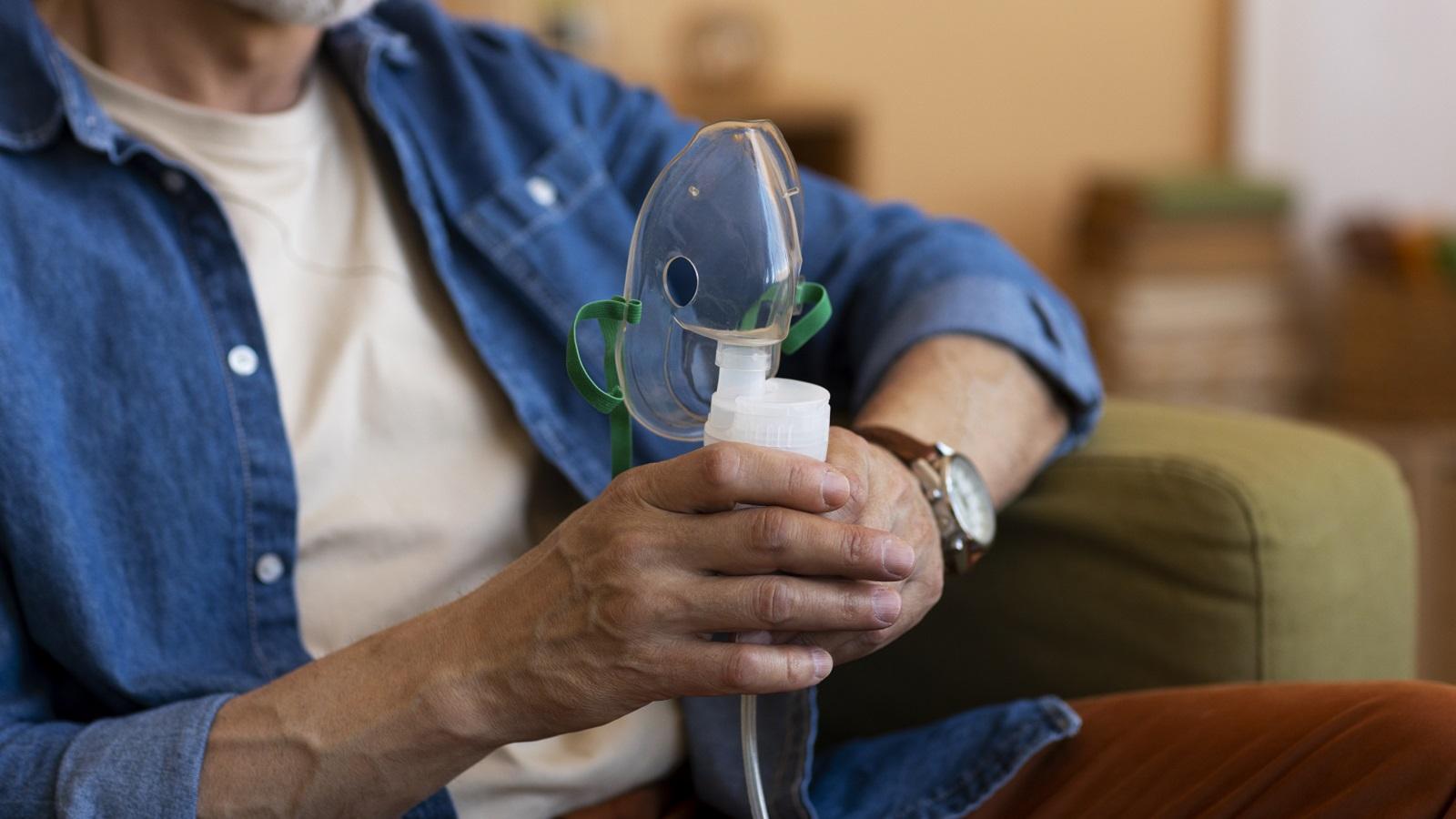
Oxygen Therapy At Home allows a patient to receive prescribed oxygen outside a healthcare facility. Depending on individual needs, oxygen may be delivered through a nasal cannula, face mask, oxygen concentrator, or oxygen cylinder.
The exact flow rate, duration, and method of oxygen delivery should be determined by a qualified healthcare professional. Patients should follow their personalized treatment instructions carefully.
How Supplemental Oxygen Supports Breathing
Breathing difficulties can affect a person's ability to perform everyday activities comfortably. When supplemental oxygen is medically required, it can help provide the additional oxygen prescribed by a healthcare professional.
The purpose of oxygen therapy is to support appropriate oxygen levels rather than simply make a person breathe faster or deeper. The expected effects can vary depending on the patient's underlying medical condition.
Patients should therefore understand why oxygen has been prescribed and how they are expected to use it as part of their overall treatment plan.
Benefits of Home-Based Oxygen Care
Receiving prescribed oxygen at home can make respiratory care more convenient. Patients can follow their oxygen schedule in a familiar environment where they can rest and receive support from family members or caregivers.
Home care can also reduce some of the challenges associated with frequent travel, particularly for people who experience fatigue or have limited mobility.
A consistent home routine may make it easier to manage oxygen use alongside other aspects of daily care, including rest, meals, medication, and appropriate activities.
Choosing Appropriate Oxygen Equipment
Several types of oxygen equipment may be used for home care. Oxygen concentrators can provide concentrated oxygen from surrounding air, while oxygen cylinders contain stored oxygen for delivery according to the patient's prescribed plan.
Some patients may also use portable oxygen systems if their healthcare professional determines that movement outside the home is appropriate.
The choice of equipment depends on the patient's medical needs, oxygen requirements, mobility, and treatment schedule. Patients should receive proper instructions before operating any oxygen device.
Creating a Comfortable Oxygen Setup
A suitable home setup can make Oxygen Therapy At Home easier to manage. Equipment should be placed in an appropriate location according to manufacturer instructions and professional guidance.
Oxygen tubing should be arranged carefully to reduce the risk of tripping. The equipment should also remain accessible without blocking walkways or creating unnecessary hazards.
Patients may find it helpful to create a comfortable resting area where oxygen equipment can be used safely. Keeping supplies organized can make daily treatment more convenient.
Oxygen Safety Is Essential
Oxygen supports combustion, so careful safety practices are necessary. Oxygen equipment should be kept away from cigarettes, candles, fireplaces, gas flames, and other ignition sources.
Smoking around oxygen equipment can create a serious fire hazard. Household members and visitors should understand and follow the same safety precautions.
Patients should also avoid changing the prescribed oxygen flow rate on their own. If breathing remains difficult or the oxygen equipment does not seem to be working properly, professional advice should be sought.
Following the Prescribed Oxygen Schedule
Every patient may have a different oxygen treatment schedule. Some individuals may be instructed to use oxygen during specific activities or periods, while others may require more extended support.
Patients should follow the instructions provided by their healthcare professional. They should not assume that using oxygen for longer periods or at a higher flow rate will automatically provide additional benefits.
If the patient's symptoms or oxygen requirements change, the treatment plan should be reviewed by a qualified healthcare provider.
Maintaining Comfort During Treatment
Using a nasal cannula or oxygen mask can take some time to become familiar. Correct positioning and proper equipment use can help patients feel more comfortable during prescribed oxygen sessions.
If a patient develops persistent irritation, discomfort, or difficulty using the delivery device, they should discuss the issue with a healthcare professional.
Patients should avoid making unauthorized equipment modifications because changes may affect oxygen delivery or safety.
Role of Family Members and Caregivers
Family members and caregivers can provide useful assistance during home oxygen therapy. They may help organize equipment, maintain a safe environment, and support the patient in following their prescribed routine.
Caregivers should understand the basic oxygen safety rules and know how the patient's equipment should be used. They can also help communicate changes in symptoms to healthcare professionals.
Support from family can be especially helpful for patients who need assistance with mobility or daily activities.
Regular Medical Monitoring
Although oxygen therapy is provided at home, professional monitoring remains important. Healthcare providers may assess oxygen levels, breathing symptoms, treatment response, and changes in the patient's overall health.
A patient's oxygen requirements can change over time. Regular follow-up allows healthcare professionals to determine whether the current treatment remains appropriate.
Patients should attend recommended appointments and communicate any significant changes rather than adjusting their oxygen therapy independently.
Supporting Everyday Activities
Depending on their medical condition and professional recommendations, patients may be able to perform suitable daily activities while following their prescribed oxygen routine. Resting, reading, talking with family, and other appropriate low-effort activities may be possible.
Patients should still respect their individual physical limitations. Supplemental oxygen does not automatically make strenuous activities safe.
A healthcare professional can provide personalized guidance about activity levels and how oxygen therapy should fit into the patient's daily routine.
When to Seek Medical Attention
Patients receiving home oxygen should know when symptoms require additional medical attention. Severe breathing difficulty, chest pain, fainting, confusion, or bluish discoloration of the lips or skin can require urgent medical evaluation.
Home oxygen should not be treated as a substitute for emergency care. If serious symptoms develop, appropriate emergency medical assistance should be sought promptly.
Conclusion
Oxygen Therapy At Home can provide prescribed respiratory support and help eligible patients manage their oxygen needs in a familiar environment. Proper equipment, a comfortable home setup, safe oxygen practices, caregiver support, and regular medical monitoring are important parts of responsible treatment. Patients should always follow their individualized oxygen plan and avoid changing flow rates or treatment schedules without professional advice. With appropriate guidance and consistent care, home oxygen therapy can become a practical part of ongoing respiratory support.
- Managerial Effectiveness!
- Future and Predictions
- Motivatinal / Inspiring
- Fitness and Wellness
- Medical & Health
- Manufacturing
- Education
- Real-Estate
- Food Industry
- Hospitality
- Online Games
- Sports
- Home Services
- Civil Engineering
- Safety and Protection
- Software Products & Services
- Fashion and Jewellery
- Artificial Intelligence
- Entrepreneurship
- Mentoring & Guidance
- Marketing
- Networking
- HR & Recruiting
- Literature
- Shopping
- Career Management & Advancement
SkillClick