

 SkillClick
Acetyl Tributyl Citrate Production Cost Report: Production Cost
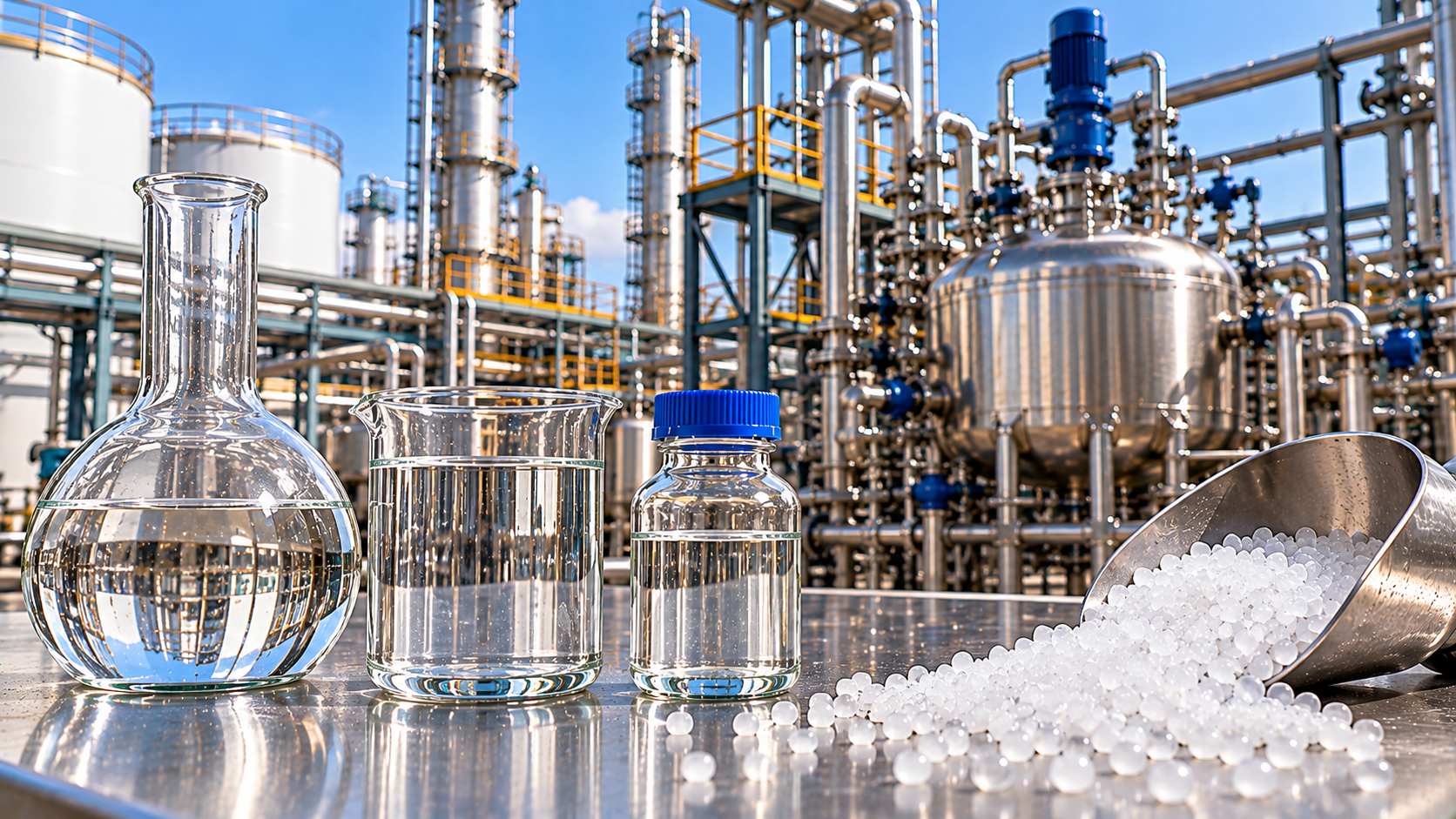
Anyone weighing a specialty plasticizer project needs a clear read on Acetyl Tributyl Citrate Production Cost before committing capital. ATBC is a clear, low-odour, bio-based plasticizer used in medical devices, food contact films, toys, childcare articles, cosmetics and pharmaceutical coatings. It sells as a safer alternative to phthalates, and that positioning gives it a premium over ordinary plasticizers. The chemistry is not exotic. The economics come down to two feedstocks and a lot of purification.
So why should brokers, advisers and lenders care about the detail? Because demand is regulation driven, the buyer base is quality sensitive, and the product competes against cheaper plasticizers every day. A plant that assumes the premium will hold forever can be caught out when a rival ramps up.
Understanding Acetyl Tributyl Citrate Production Cost: What the Report Covers
A production cost study starts with the process and builds outward. It follows the material from citric acid and butanol intake through esterification, acetylation and purification to packed, finished plasticizer, then assigns a cost to everything consumed along the way. Raw materials, utilities, site infrastructure, machinery, manpower, packaging and transportation each get their own treatment. The goal of an Acetyl Tributyl Citrate Production Cost study is to show where each unit of spend lands, and how much of it is feedstock versus energy, solvent recovery and quality control.
That layout is what makes an Acetyl Tributyl Citrate Production Cost Report useful for comparison. You can put a catalyst route against another, or one location against another, without guessing. Corporate advisers often use it to check whether a planned capacity matches demand from food packaging, medical and personal care buyers.
Raw Materials Required
Citric acid and n-butanol are the two main feedstocks. Citric acid is produced by fermentation of sugars, so its price follows corn, cassava and sugar markets. Butanol comes from propylene through the oxo route, or in some regions from fermentation, so it tracks the petrochemical chain. The blend of a bio-based and a petrochemical input means ATBC cost moves with two very different markets.
The third major input is acetic anhydride, which caps the free hydroxyl group on the citrate. Beyond these, the plant needs an esterification catalyst, such as sulfuric acid, p-toluenesulfonic acid, or a solid acid, along with an entrainer or excess butanol to carry water out. Sodium carbonate or caustic solution is used for neutralization, activated carbon for decolorizing, and process water for washing. Packaging covers drums, IBCs and bulk tankers, and grades meant for medical and food contact need cleaner handling.
The Industrial Production Process
ATBC is made in two chemical stages: esterify, then acetylate. Both are equilibrium or near-equilibrium reactions, so the design centres on driving them to completion.
In the first stage, citric acid and butanol are heated with an acid catalyst in a reactor. Water forms as tributyl citrate builds, and it is removed continuously as an azeotrope with butanol, condensed and separated so the butanol returns to the reactor. Excess butanol pushes conversion higher. Temperature has to be managed carefully, because too much heat darkens the product and triggers side reactions.
Once esterification is finished, excess butanol is stripped off and recovered. The tributyl citrate is then reacted with acetic anhydride, sometimes with a catalyst, to form the acetylated ester. Acetic acid is generated as a co-product, and it is distilled off and either sold or reused.
The crude ester goes through neutralization to remove residual acid and catalyst, followed by water washing. Layers separate, and the aqueous stream goes to treatment. The organic phase is then dried and vacuum distilled or steam stripped to reach low acidity and a light colour. Some plants finish with carbon treatment and filtration. Colour, acid value and moisture are the specs buyers check first, particularly in medical and food grades.
Capital Investment and Plant Setup Cost Factors
Land and site come first. The plant needs steam, cooling water, storage for flammable butanol and corrosive anhydride, effluent treatment and safe solvent recovery. Being inside a chemical park with access to butanol and acetic anhydride helps freight and safety planning.
Machinery makes up the heavy block of capital. Esterification and acetylation reactors, distillation columns, condensers, decanters, wash tanks, filters, vacuum systems and storage tanks add up. Materials of construction need care, since organic acids are corrosive at temperature. Engineering, installation and commissioning sit on top, along with a quality lab. Medical and food grades push the plant toward tighter cleanliness controls and documentation.
Working capital is where first-time investors get caught. Citric acid and butanol stocks, acetic anhydride inventory, finished product and customers on long terms all tie up cash. A realistic acetyl tributyl citrate plant setup cost estimate has to carry that buffer next to the visible build cost.
Operating Cost Factors
Variable costs follow production volume. Citric acid and butanol lead by a wide margin, followed by acetic anhydride, steam, electricity, catalyst, neutralizing agents and packaging. Because feedstock makes up such a large share of spend, a move in either raw material price shifts Acetyl Tributyl Citrate Production Cost faster than anything else on the sheet.
Fixed costs stay in place whatever the output. Salaries for operators, chemists and quality staff, insurance, licences, safety and environmental compliance, and site overheads belong in this group. Headcount is modest, though quality assurance work is heavier here than in a commodity plasticizer plant.
Maintenance is a steady drain. Columns, heat exchangers, pumps and vacuum systems need regular attention, and corrosion from organic acids adds to wear. Depreciation spreads equipment cost over its life, and financing charges depend on the debt share. A careful acetyl tributyl citrate production cost analysis treats each of these separately so lenders can see the real break-even, including the effect of yield losses in the purification train.
What Pushes Cost Up or Down
Feedstock pricing is the biggest lever. Citric acid follows agricultural and fermentation economics, while butanol follows propylene and oxo chemistry. A producer with integrated or long-term supply of both holds an edge, and one that buys spot on both sides feels every swing.
Yield and recovery come next. Butanol recycle, acetic acid recovery and losses in washing and distillation decide how much saleable product each tonne of input produces. Better catalysts, efficient water removal and tight colour control cut that waste. Regulation is a lever too, and a less obvious one. Restrictions on phthalates in toys, food contact and medical products push demand toward ATBC, while price gaps against competing plasticizers can pull it back. Scale spreads fixed cost, but only if buyers can absorb the volume.
Region shapes the rest. Energy tariffs, labour rates, environmental limits, freight and taxes vary widely, so the same design can give a very different acetyl tributyl citrate manufacturing plant cost depending on where it's built.
Frequently Asked Questions
Q: What's the biggest cost in making ATBC?
Feedstock, mainly citric acid and butanol. Utilities are well behind.
Q: Who actually buys it?
Mostly plasticizer users in PVC and other polymers where safety perception matters: medical tubing and blood bags, food wrap and packaging, toys and childcare products, plus cosmetics, nail products and pharmaceutical tablet coatings. Demand follows regulation as much as volume. Many buyers evaluate it against other non-phthalate options such as citrates, adipates and terephthalates, so the sales cycle can be long. It's wise to check customer approvals and contract terms before trusting any volume assumption.
Q: Is ATBC bio-based?
Partly. The citric acid side is fermentation derived, but butanol and acetic anhydride are usually petrochemical.
Q: How does a detailed study help before I invest?
It replaces rough guesses with structured numbers. A proper look at Acetyl Tributyl Citrate Production Cost shows how sensitive the project is to feedstock prices, where break-even sits and how financing choices change returns. It also exposes weak assumptions early, when they're cheapest to fix. Lenders tend to ask for exactly this.
Q: What should I check first when reviewing a proposal?
Start with how citric acid and butanol are sourced, and on what price basis. Then look at target customers, product grade approvals and the claimed conversion yield. If the quoted acetyl tributyl citrate plant setup cost looks unusually low, ask what's been left out, especially solvent recovery, effluent treatment, quality lab, working capital and commissioning.
Why a Professional Report Matters
Specialty chemical plant decisions are hard to reverse. Once the reactors and columns are built and supply contracts are signed, you're in for years. That's why the quality of the numbers matters so much.
A well-prepared Acetyl Tributyl Citrate Production Cost study gives investors, advisers and lenders a shared factual base to work from. It lets you stress test feedstock, regulation and demand scenarios, negotiate financing and catch weak assumptions before they turn into losses.
- Managerial Effectiveness!
- Future and Predictions
- Motivatinal / Inspiring
- Fitness and Wellness
- Medical & Health
- Manufacturing
- Education
- Real-Estate
- Food Industry
- Hospitality
- Online Games
- Sports
- Home Services
- Civil Engineering
- Safety and Protection
- Software Products & Services
- Fashion and Jewellery
- Artificial Intelligence
- Entrepreneurship
- Mentoring & Guidance
- Marketing
- Networking
- HR & Recruiting
- Literature
- Shopping
- Career Management & Advancement