

 SkillClick
Scar Removal in Dubai: Treatment Options for Different Scar Types
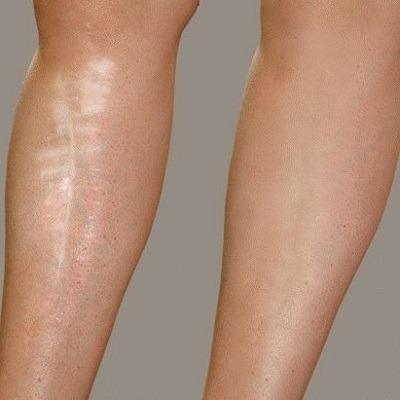
Scars can develop after acne, injuries, burns, surgery, or other skin conditions. While some scars become less noticeable naturally over time, others may remain prominent because of changes in skin texture, collagen production, or pigmentation. Scar Removal in Dubai includes a range of professional treatments that can help improve the appearance of different scar types.
Because every scar behaves differently, there is no single treatment that works equally well for everyone. A professional assessment can help determine the scar type and identify an appropriate treatment strategy.
Understanding Different Types of Scars
Before choosing a scar treatment, it is important to understand what kind of scar you have. Common types include atrophic scars, hypertrophic scars, keloids, surgical scars, traumatic scars, and post-acne scars.
Atrophic scars appear depressed or indented because the skin has lost collagen during the healing process. They are commonly associated with acne and may include ice-pick, boxcar, and rolling scars.
Hypertrophic scars are raised and usually remain within the original boundaries of an injury or incision. Keloids can extend beyond the original wound and may continue growing after the skin has healed.
Surgical and injury-related scars can vary significantly depending on the wound, healing process, location, and individual skin characteristics. Identifying these differences is an important first step toward selecting an appropriate treatment.
Laser Treatments for Texture and Scar Appearance
Laser-based procedures are commonly considered for certain types of scars because they can target changes in skin texture and stimulate collagen remodeling.
Fractional laser treatments create controlled microscopic treatment zones within the skin while leaving surrounding tissue intact. As the skin heals, collagen remodeling can gradually improve uneven texture.
Laser treatment may be considered for some acne scars, surgical scars, and surface irregularities, although suitability depends on factors such as scar depth and skin type. Multiple sessions may sometimes be recommended rather than expecting complete improvement after one appointment.
Patients should also understand that laser treatment does not necessarily erase a scar completely. The objective is generally to make the scar less noticeable and improve the overall appearance of the skin.
Microneedling for Depressed Scars
Microneedling uses fine needles to create controlled micro-injuries in the skin. This process can stimulate the body's natural healing response and support collagen and elastin production.
It may be considered for certain mild-to-moderate atrophic acne scars and uneven skin texture. Treatment settings can be adjusted according to the individual's skin characteristics and treatment area.
For some patients, microneedling may be combined with other approaches as part of a broader scar-management plan. Professional assessment is important because active acne, inflammation, infections, or certain skin conditions may affect treatment suitability.
Chemical Peels for Surface-Level Concerns
Chemical peels use carefully selected chemical solutions to exfoliate controlled layers of the skin. Depending on the formulation and concentration, they can address concerns such as uneven pigmentation and surface texture.
Peels may be useful when scars are accompanied by post-inflammatory hyperpigmentation or uneven skin tone. However, they are not equally effective for deeply indented scars because these scars involve structural changes beneath the skin surface.
Choosing the appropriate peel requires consideration of skin type, pigmentation tendency, scar characteristics, and previous treatments.
Treatments for Raised and Thick Scars
Raised scars require a different approach from depressed acne scars. Hypertrophic scars and keloids involve excess scar tissue, so treatments designed primarily to stimulate collagen may not always be the appropriate first option.
Depending on the individual case, dermatological management can include approaches such as corticosteroid injections, silicone-based scar management, laser-based procedures, or other interventions recommended by a qualified medical professional.
Because keloids can recur, professional evaluation is particularly important before beginning treatment.
Treating Surgical and Injury Scars
Surgical scars can improve naturally as the body continues the healing process. However, some may remain darker, thicker, wider, or more textured than the surrounding skin.
Treatment selection depends on whether the main concern is pigmentation, thickness, texture, or scar elevation. Laser procedures, microneedling, silicone-based management, and other approaches may be considered depending on the scar's characteristics.
Patients should avoid treating a healing wound as though it were an established scar. Proper wound healing should be allowed before many cosmetic scar procedures are considered.
Why Skin Type Matters in Scar Removal
Skin type is an important consideration when planning Scar Removal in Dubai. Individuals with darker skin tones may have a greater tendency to develop post-inflammatory hyperpigmentation after skin injury or certain procedures.
This does not mean that treatment is unsuitable. Instead, it highlights the importance of appropriate treatment settings, preparation, aftercare, and professional monitoring.
Sun protection is also essential because ultraviolet exposure can make pigmentation associated with scars more noticeable and may interfere with an even healing process.
Personalized Scar Treatment at Tajmeels Clinic
At Tajmeels clinic scar concerns can be evaluated according to their type, appearance, skin characteristics, and individual treatment goals. Rather than approaching every scar in the same way, the clinic can develop a personalized treatment plan based on the patient's specific concerns.
A consultation may help determine whether the primary issue involves depressed texture, pigmentation, raised scar tissue, or a combination of concerns. This assessment can help guide the selection of appropriate treatment options and establish realistic expectations about improvement.
What to Expect From Scar Removal Treatment
Professional scar treatment is generally focused on improving the appearance of scars rather than guaranteeing complete removal. Results can vary according to scar age, depth, location, skin type, treatment method, and individual healing response.
Some treatments require a series of sessions, with gradual improvement occurring as collagen remodeling and skin healing progress. Following aftercare instructions, protecting the treated area from excessive sun exposure, and attending recommended follow-up appointments can support the treatment process.
Choosing the Right Scar Removal Approach
The best treatment approach depends on the characteristics of the scar rather than simply its location. A depressed acne scar may benefit from a collagen-remodeling treatment, while a raised scar may require a completely different medical approach.
For this reason, professional assessment is an important part of Scar Removal in Dubai. Understanding the available options allows patients to make informed decisions and set realistic expectations about their skin improvement journey.
More Information
Tajmeels Clinic Dubai
WhatsApp: +971 56 203 8751
Phone: tel:+971 43739000
Social Media:
- Managerial Effectiveness!
- Future and Predictions
- Motivatinal / Inspiring
- Fitness and Wellness
- Medical & Health
- Manufacturing
- Education
- Real-Estate
- Food Industry
- Hospitality
- Online Games
- Sports
- Home Services
- Civil Engineering
- Safety and Protection
- Software Products & Services
- Fashion and Jewellery
- Artificial Intelligence
- Entrepreneurship
- Mentoring & Guidance
- Marketing
- Networking
- HR & Recruiting
- Literature
- Shopping
- Career Management & Advancement