

 SkillClick
From Sample to Commercial Batch: The Mass Gainer Manufacturing Process
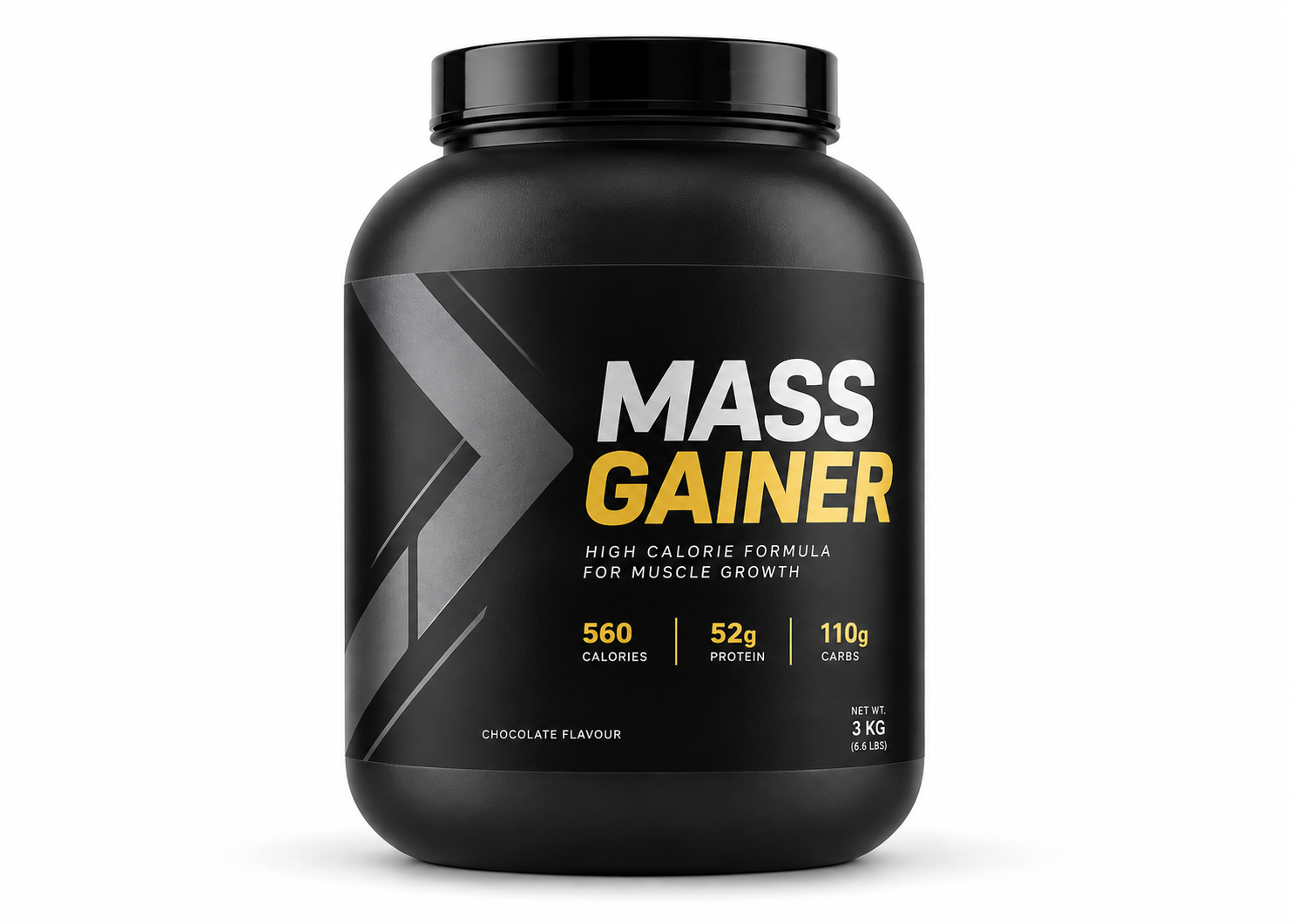
Most procurement managers don't find out their Mass Gainer manufacturers have a consistency problem until the third production run. The first batch, usually a sample, looks perfect. The second, a pilot run, is close enough to wave through. It's the third — the one going into retail packaging at commercial volume — where the protein-to-carb ratio drifts, the mixability changes, or the flavour system that tested fine in a lab suddenly clumps in a 25kg drum sitting in a Chennai warehouse in June. That gap between sample and scale is where most brand owners get burned, and it's the reason Mass Gainer manufacturers need to be evaluated on process, not just on a spec sheet.
Hartman Enterprises has been building that process since 2013. We're not the biggest name in Indian sports nutrition contract manufacturing. We're the one that answers the phone when a formulation goes wrong at 2 AM before a truck leaves the dock.
Specification: What Actually Goes Into a Commercial-Grade Mass Gainer
A mass gainer is not just whey protein with more carbs stirred in. The category spans a wide protein-to-calorie ratio, and getting that ratio wrong is the single most common reason private-label brands relaunch a product within a year.
Macronutrient Ranges We Work With
-
Protein level: 20g–50g/per serving based on whey concentrates, isolates or a balance of plant proteins which vary between the brands’ target market position.
-
Calorie density: 600–1,250 kcal per serving (via maltodextrin, oat flour or a mixture of the two carbohydrate matrix)
-
Fat profile: (MCT) oil or mixed vegetable fats, usually 8–15g/toast
The Detail Most Buyers Skip
Here's what gets missed in almost every spec conversation: particle size distribution of the carbohydrate carrier. A maltodextrin with the wrong dextrose equivalent value will mix fine in a lab beaker and turn into a paste in a shaker bottle at consumer scale. We test mixability at three water temperatures before any formulation leaves R&D. Most Third Party Mass Gainer Manufacturers skip this step because it adds two to three days to development. We don't skip it, because it's the complaint that ends up in a one-star review six weeks after launch.
Benefits: Why This Process Protects Your Margin, Not Just Your Product
-
Fewer reformulation cycles. Getting the carbohydrate and protein matrix right the first time means you're not paying for a second round of sample development three months into a retail listing.
-
Predictable landed cost. ISO-certified production with documented yield rates means fewer surprise cost escalations mid-contract.
-
Export-ready documentation from day one. As Weight Gain Powder Manufacturers shipping to 31 countries, our compliance paperwork is built for FSSAI, and international regulatory frameworks simultaneously — not retrofitted after a customs hold.
-
Shorter time-to-shelf. A structured sample-to-scale-up process, typically 6–8 weeks depending on formulation complexity, means fewer stalled launches.
Availability: Supplying From India, Shipping Past It
We manufacture out of our facility in India, and location here is a supply chain decision, not just an address on a certificate. India's position gives Nutritional Supplements Manufacturers in India two real advantages: proximity to major raw material sourcing hubs for whey and maltodextrin, and port access that keeps freight timelines competitive for both Middle Eastern and Southeast Asian buyers.
About Us
We started as a small-batch nutraceutical operation in 2013 and grew into ISO-certified manufacturing because a handful of early export clients kept asking for documentation we didn't yet have the systems to produce. We built those systems. Today we export to 31 countries, and that number is one we track, not round up.
Here's something only a real operator would know: we stopped sourcing one particular maltodextrin supplier in 2022 after two consecutive lots showed inconsistent dextrose equivalent values that our incoming QC caught but that would have been invisible on a standard certificate of analysis. We switched suppliers and added an additional intake test. That's what a decade of export feedback teaches you — the certificate isn't always the full story.
Work With Us
If you're evaluating Mass Gainer Manufacturers for a private label or bulk supply contract, send us your target specification — protein percentage, calorie range, and flavour requirements — along with your expected order volume. We respond to formulation inquiries within 48 business hours. Our standard MOQ starts at 500kg per SKU for established formulations, and 1,000kg for fully custom development runs. Sample batches are typically available within 10–15 business days of a finalized brief.
Conclusion
Choosing between Mass Gainer manufacturers comes down to whether a supplier's process holds up at commercial volume, not whether their sample batch looked good in a boardroom. Hartman Enterprises has built that process over more than a decade of export shipments, batch audits, and the occasional supplier we walked away from. The next batch you commission should be boring in the best possible way — consistent, documented, and shipped on time.
FAQs
1. What is the typical minimum order quantity for a mass gainer manufacturer in India?
It varies by formulation complexity. Ours starts at 500kg per SKU for standard formulations and rises for custom actives or flavour systems that require dedicated production runs. Anyone quoting a flat MOQ regardless of formulation probably hasn't priced it out properly.
2. How long does it take to go from sample to commercial batch?
Typically 6–8 weeks, though that assumes the brief is finalized upfront. Formulations that change mid-process — a new flavour request after the first sample, for instance — add two to three weeks. We'd rather tell you that upfront than let a deadline slip silently.
3. Do Third Party Mass Gainer Manufacturers handle packaging and labelling too?
Most do, including us, but the level of compliance support varies. Confirm whether your supplier handles FSSAI labelling requirements and export-market label compliance, or just fills the pouch and leaves labelling to you.
4. What certifications should I look for in weight gain powder manufacturers?
ISO 22000 or FSSC 22000 for food safety management is the baseline. GMP certification matters too. Ask for the actual certificate and its expiry date — a lapsed certification quoted as current is more common than buyers assume.
5. Can Mass Gainer Manufacturers in India customize protein sources for vegan or lactose-sensitive markets?
Yes, though plant-protein-based gainers require different mixability testing than whey-based formulas, and the calorie density often needs rebalancing to match taste and texture expectations. It's a longer development cycle, not a drop-in swap.
- Managerial Effectiveness!
- Future and Predictions
- Motivatinal / Inspiring
- Fitness and Wellness
- Medical & Health
- Manufacturing
- Education
- Real-Estate
- Food Industry
- Hospitality
- Online Games
- Sports
- Home Services
- Civil Engineering
- Safety and Protection
- Software Products & Services
- Fashion and Jewellery
- Artificial Intelligence
- Entrepreneurship
- Mentoring & Guidance
- Marketing
- Networking
- HR & Recruiting
- Literature
- Shopping
- Career Management & Advancement