

 SkillClick
The Rise of Hybrid Events: Why PTZ Cameras Are Becoming Essential
A hybrid event has two audiences to satisfy at the same time. People in the room expect a smooth, engaging experience, while those joining online should be able to follow the action without feeling like they are watching from the sidelines. This changes the way organisations approach event production. Camera placement, movement, framing and connectivity now have to work together from the start.
Why PTZ cameras work well for hybrid events
A conference may move from a keynote speaker to a panel discussion, then shift to a product demonstration or audience interaction. Each moment calls for a different composition. Using several manually operated cameras can provide that coverage, but it also means more equipment, more operators and a more complicated production setup.
PTZ cameras offer a practical alternative. Their pan, tilt and zoom functions can be operated remotely, allowing the production team to change framing without physically moving the camera. For organisations managing recurring events, a Remote control camera can make it easier to manage multiple viewpoints while keeping the production team focused on the event itself.
Getting more coverage from one camera position
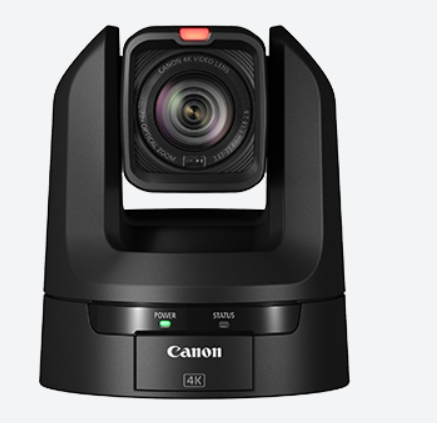
The usefulness of a PTZ setup depends heavily on how much flexibility the camera provides. A wide view can establish the room, while a tighter shot can bring a speaker or presenter into focus. The Canon CR-N300 combines a compact design with a 20x optical zoom and wide-angle coverage, giving teams room to handle both types of shots from a single position. Canon CR-N300
Its Hybrid AF system combines high-speed phase AF with contrast AF to support accurate focusing. During a live presentation, where a speaker may move across the frame, this can help maintain focus without requiring constant manual intervention.
Connectivity is part of the production plan
Hybrid events rarely depend on a single connection. The camera may need to work with a computer for streaming, a switcher for live production or a display for the venue. The CR-N300 supports HDMI, 3G-SDI, IP and USB connections, giving production teams different ways to build it into their existing workflow.
Its USB Video Class support is particularly useful for simpler online sessions, as the camera can connect to a computer as a USB camera without requiring third-party driver installation. That gives organisations the flexibility to use the same setup across formal conferences, webinars and smaller virtual meetings.
Keeping smaller teams in control
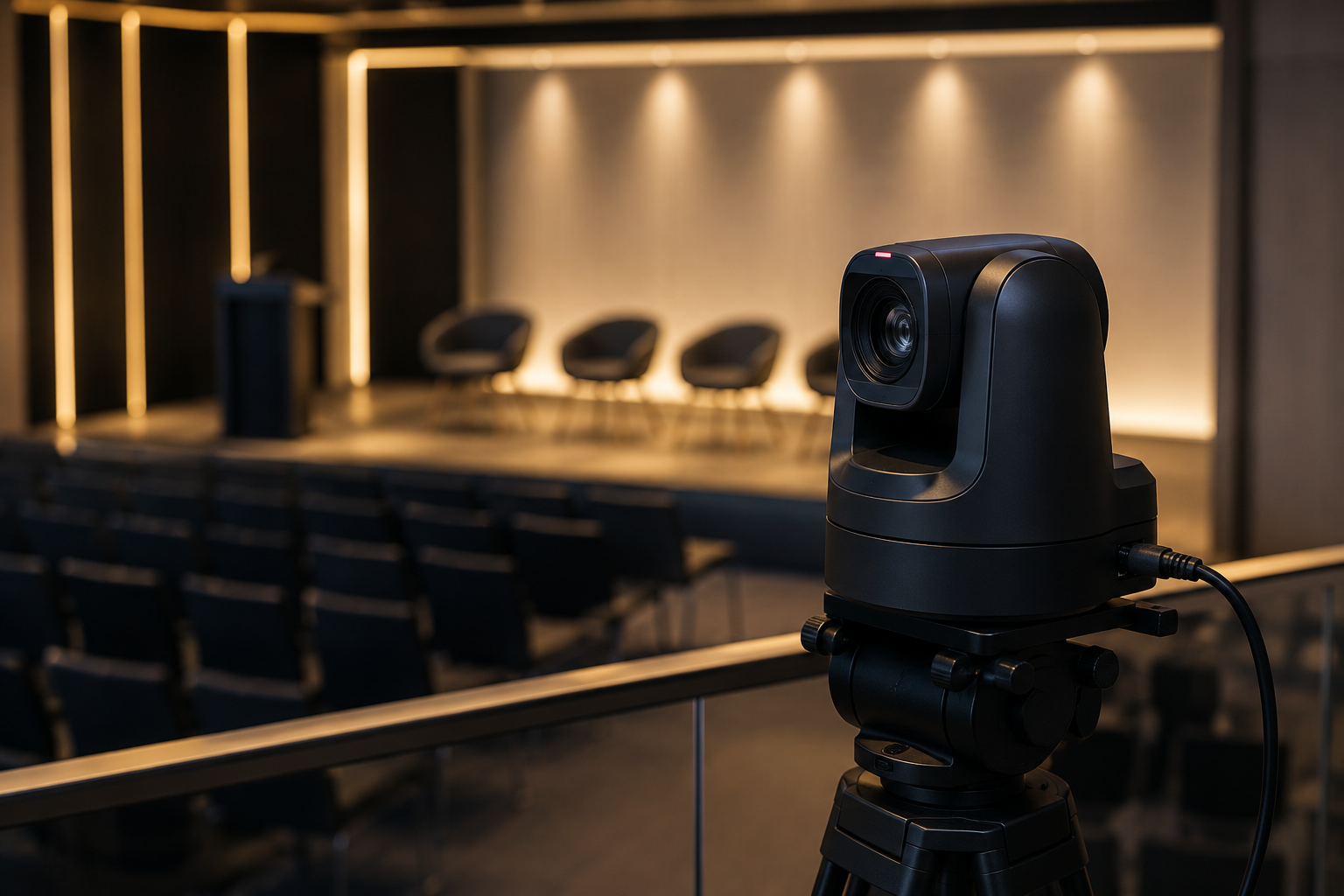
Not every event has a large production crew. Preset scene modes on the CR-N300 include Portrait, Sports, Low-light and Spotlight, allowing operators to adapt the camera to different shooting conditions without manually adjusting every setting.
This is where a Remote control camera can be particularly useful for lean teams. The operator can remain at the control position while adjusting the camera to follow what is happening on stage. The camera also supports remote operation through infrared and compatible wireless workflows.
For businesses running frequent hybrid events, the bigger question is not whether PTZ technology looks impressive. It is whether the setup gives the production team enough control to deliver consistent coverage without adding unnecessary complexity. When that balance is right, a Remote control camera becomes a useful part of the event infrastructure rather than another piece of equipment to manage.
- Managerial Effectiveness!
- Future and Predictions
- Motivatinal / Inspiring
- Fitness and Wellness
- Medical & Health
- Manufacturing
- Education
- Real-Estate
- Food Industry
- Hospitality
- Online Games
- Sports
- Home Services
- Civil Engineering
- Safety and Protection
- Software Products & Services
- Fashion and Jewellery
- Artificial Intelligence
- Entrepreneurship
- Mentoring & Guidance
- Marketing
- Networking
- HR & Recruiting
- Literature
- Shopping
- Career Management & Advancement