

 SkillClick
Helium Prices August 2026: Price Index, Trends, Chart & Market Analysis
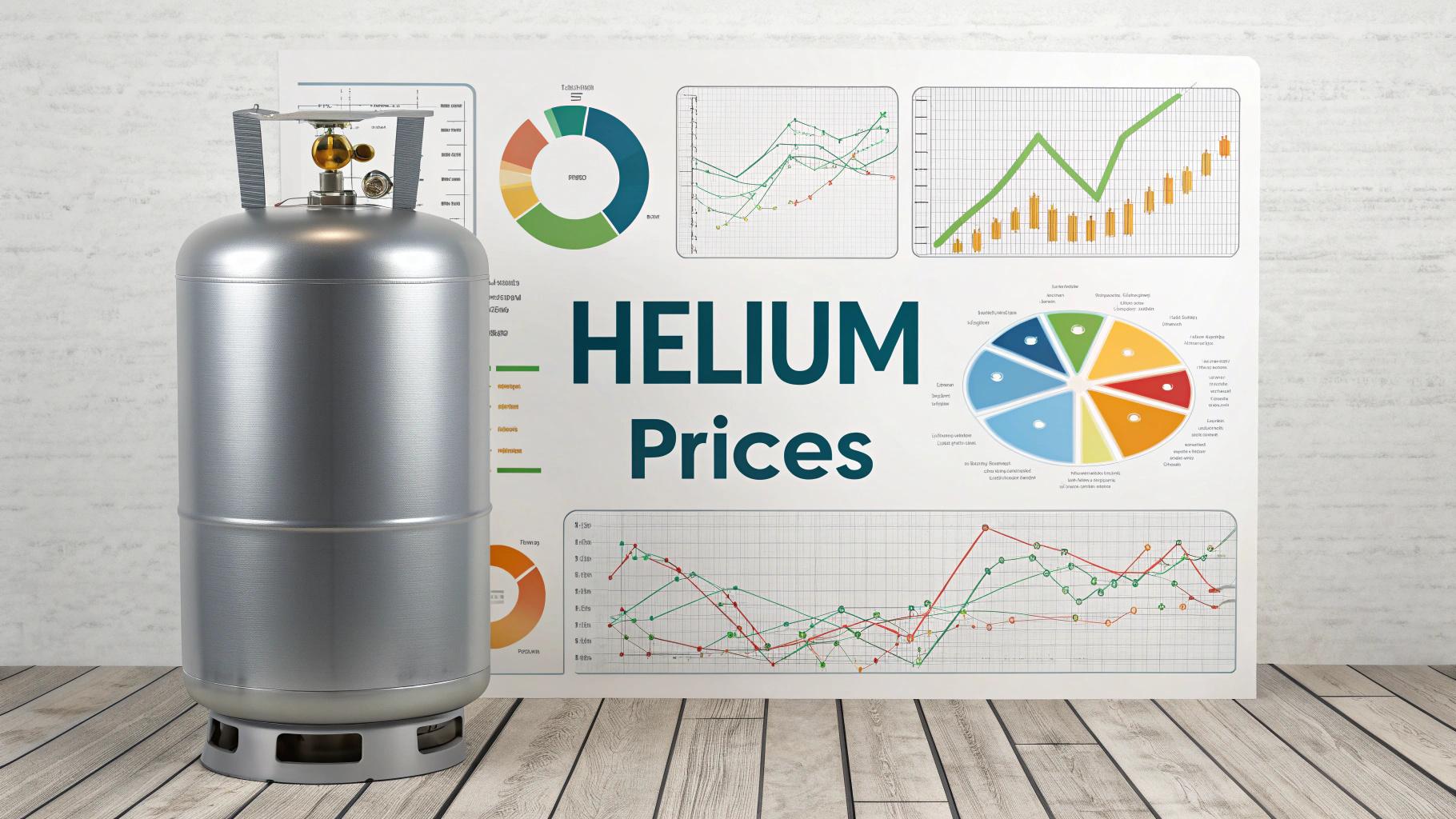
Helium prices showed a divergent regional trend in August 2026, with Northeast Asia recording an increase to USD 104.91/MC, while Europe and North America registered declines to USD 38.56/MC and USD 48.07/MC, respectively. The regional divergence reflected differences in supply availability, import requirements, industrial consumption, storage conditions, and procurement structures across major helium-consuming markets.
The Northeast Asian market remained comparatively firm as buyers navigated supply availability and continued demand from semiconductor manufacturing, electronics, healthcare, aerospace, and specialized industrial applications. In Europe and North America, softer pricing reflected comparatively balanced supply-demand conditions and more measured procurement. Overall, the IMARC Price Index reflected a market with significant regional differentiation rather than a uniform global price direction.
Regional Helium Prices Outlook – August 2026: Where Are Prices Highest?
Northeast Asia: USD 104.91/MC (3.1% ↑ Up)
Europe: USD 38.56/MC (-3.5% ↓ Down)
North America: USD 48.07/MC (-5.4% ↓ Down)
Northeast Asia recorded the highest helium price at USD 104.91/MC, substantially above both North America and Europe. The premium reflected the region's supply-chain structure, import exposure, industrial demand, and the availability of helium for high-purity applications.
Europe recorded the lowest price at USD 38.56/MC, while North America stood at USD 48.07/MC. The regional spread highlights the influence of production and processing infrastructure, transportation costs, sourcing arrangements, and differences in downstream consumption. Buyers in import-dependent markets generally remain more sensitive to freight, availability, and contract terms.
Regional Price Analysis of Helium Prices – August 2026
Northeast Asia
Northeast Asia recorded helium prices of USD 104.91/MC, rising by 3.1% during August. The upward movement reflected relatively firm demand from semiconductor fabrication, electronics manufacturing, advanced technology applications, and specialized industrial users. Helium's role in controlled-atmosphere processes and cooling applications kept procurement requirements active.
Regional buyers remained focused on securing reliable high-purity material, particularly where supply continuity is critical to production. Import dependency and transportation requirements also contributed to the comparatively elevated pricing structure. Procurement teams were therefore likely to prioritize contract security and inventory visibility alongside headline price considerations.
Europe
Europe recorded helium prices of USD 38.56/MC, representing a decline of 3.5%. The softer pricing environment reflected more balanced availability relative to demand and measured purchasing activity across major industrial applications.
Demand from healthcare, laboratories, electronics, welding, and specialized manufacturing remained important. However, buyers continued to manage inventories carefully, limiting aggressive spot-market purchasing. Regional distributors and industrial gas users remained attentive to supply contracts, transportation costs, and the availability of suitable helium grades.
North America
North America recorded helium prices of USD 48.07/MC, declining by 5.4% during August. The decline reflected softer market conditions as supply availability and procurement activity remained comparatively balanced.
Helium consumption remained supported by healthcare imaging, aerospace applications, semiconductor-related activities, scientific research, and industrial uses. Procurement managers continued to evaluate contract requirements against inventory levels, with purchasing strategies focused on maintaining supply continuity while avoiding unnecessary inventory accumulation.
Supply and Demand Overview – August 2026
Helium supply conditions remained closely connected to natural gas processing, helium recovery infrastructure, purification capacity, storage availability, and transportation networks. Production and recovery economics are particularly important because helium is commonly obtained as a by-product from natural gas operations rather than produced independently. Regional differences in processing infrastructure therefore have a direct impact on availability and delivered pricing.
Demand intensity across major downstream applications remained as follows:
Semiconductor & Electronics: Strong demand
Healthcare & Medical Imaging: Strong and consistent demand
Aerospace & Defense: Stable demand
Scientific Research: Consistent demand
Welding & Industrial Applications: Moderate demand
The overall supply-demand balance remained regionally uneven. Northeast Asia experienced firmer pricing as industrial demand and supply-chain requirements supported purchasing activity, while Europe and North America experienced downward price movements as procurement conditions remained comparatively balanced.
Key Factors Affecting Prices – Monthly Perspective
Raw Material Availability: Helium recovery depends heavily on the availability of suitable natural gas resources and efficient recovery infrastructure, making upstream feedstock conditions important to supply.
Downstream Demand: Semiconductor manufacturing, healthcare, aerospace, scientific research, and industrial applications continued to provide a diverse demand base for helium.
Logistics: Transportation, storage, specialized containers, and distribution infrastructure remained important cost components, particularly for international shipments.
Energy Costs: Energy requirements associated with natural gas processing, helium separation, purification, compression, and transportation influenced overall supply economics.
Trade Dynamics: International sourcing requirements and regional import dependency contributed to significant differences between helium prices in Northeast Asia, Europe, and North America.
Recent Developments (August Highlights)
Semiconductor and electronics applications continued to support demand for high-purity helium in Northeast Asia.
Healthcare applications maintained a stable requirement for helium across medical imaging and associated cooling systems.
Softer purchasing conditions in Europe contributed to a decline in regional pricing during August.
North American buyers continued to manage procurement against available supply and inventory requirements, contributing to lower monthly pricing.
The August market therefore remained divided by region, with Northeast Asia experiencing an upward price movement while Europe and North America moved lower.
For detailed insights, charts, and forecasts, explore: https://www.imarcgroup.com/helium-pricing-report/requestsample
Helium Price Chart Analysis – Monthly Movement
The Helium Price Chart for August 2026 highlights a clear divergence between Northeast Asia and the Western markets. Northeast Asia moved upward to USD 104.91/MC, while Europe and North America experienced downward movements.
Early August: Market conditions were shaped by supply availability, industrial consumption, inventory positions, and procurement requirements across major consuming sectors.
Mid-August: Northeast Asian buyers maintained relatively firm purchasing activity, while European and North American markets remained more balanced as buyers evaluated available supply against current requirements.
Late August: Regional divergence remained visible, with Northeast Asia maintaining an upward price direction and Europe and North America continuing to show softer market conditions.
For procurement managers, the price chart provides a practical view of regional price direction and helps identify differences in sourcing conditions. It can support contract negotiations, inventory planning, supplier evaluation, and decisions concerning spot versus longer-term purchasing.
Helium Price Index & Historical Analysis
The Helium Price Index in August 2026 reflected a mixed regional market. Northeast Asia registered a 3.1% increase, while Europe declined by 3.5% and North America declined by 5.4%. This divergence demonstrates how helium pricing is influenced by regional supply infrastructure and downstream consumption rather than by a single global market movement.
Historically, helium prices have been sensitive to production availability, natural gas processing activity, storage levels, transportation constraints, and the expansion of high-value applications. Semiconductor and electronics demand can create additional pressure on high-purity helium availability, while healthcare and aerospace applications provide relatively resilient consumption.
Key structural drivers include:
Raw material availability: Helium recovery depends on suitable natural gas resources and the efficiency of recovery systems.
Production and processing capacity: Separation, purification, liquefaction, compression, and storage capabilities determine the availability of usable helium.
Downstream manufacturing cycles: Semiconductor, healthcare, aerospace, electronics, and research activity can influence purchasing intensity and regional demand.
The August 2026 price movements demonstrate that regional procurement conditions remain a critical component of helium pricing. Markets with tighter availability or stronger industrial demand can maintain substantial premiums over regions with more balanced supply.
What Is Helium?
Helium is a chemically inert, colorless, odorless, and extremely light noble gas. It is primarily recovered from helium-bearing natural gas deposits and subsequently processed through separation, purification, compression, or liquefaction depending on the required application and grade.
Helium is valued for its exceptionally low boiling point, chemical inertness, low density, and thermal properties. These characteristics make it difficult to replace in several technologically demanding applications.
Key applications include:
Medical imaging and MRI cooling
Semiconductor and electronics manufacturing
Aerospace and defense systems
Scientific research and laboratory applications
Welding and specialized industrial processes
The strategic importance of helium extends beyond conventional industrial gas consumption. Its unique physical properties make reliable supply particularly important for advanced manufacturing, medical infrastructure, research facilities, and aerospace technologies.
Helium Price Forecast – Next 12 Months
The helium price outlook for the next 12 months is expected to remain regionally differentiated and potentially volatile. Demand from semiconductor manufacturing, healthcare, aerospace, and scientific applications should provide structural support, while production availability, recovery capacity, storage conditions, and international logistics will determine the direction of regional pricing.
Key growth drivers include:
Continued semiconductor and electronics manufacturing
Stable healthcare and medical imaging requirements
Aerospace and advanced technology applications
Demand for high-purity helium in specialized processes
Expansion of scientific and research applications
Potential risks include:
Disruptions to helium-bearing natural gas production
Limited recovery and purification capacity
Transportation and specialized storage constraints
Changes in semiconductor manufacturing cycles
Regional trade and supply-chain disruptions
Overall, helium prices are expected to remain sensitive to supply availability and downstream industrial demand. Northeast Asia may continue to command a regional premium when industrial requirements exceed readily available supply, while Europe and North America will remain influenced by local availability, inventory positions, and procurement discipline.
FAQs About Helium Prices Insights & Market Analysis
What does the Helium Price Index indicate in August 2026?
The Helium Price Index indicates a divergent regional market, with Northeast Asia rising to USD 104.91/MC, while Europe and North America declined to USD 38.56/MC and USD 48.07/MC, respectively.
How does the Helium Price Chart help procurement managers?
The Helium Price Chart helps procurement managers compare regional price direction, identify supply-market differences, evaluate purchasing timing, and plan contracts and inventories according to changing market conditions.
What is the helium price forecast for the next 12 months?
Helium prices are expected to remain regionally differentiated, with semiconductor, healthcare, aerospace, and research demand providing support while production availability, storage, logistics, and trade conditions create potential volatility.
How IMARC Pricing Database Can Help
The latest IMARC Group study, "Helium Prices, Trend, Chart, Demand, Market Analysis, News, Historical and Forecast Data 2026 Edition," provides a detailed analysis of helium price trends and global market dynamics. The report covers price movements, regional developments, demand patterns, supply conditions, and the factors influencing current and future prices.
The analysis examines the relationship between raw material costs, production conditions, downstream demand, logistics, trade flows, and regional market developments. By exploring the interaction between supply and demand, the pricing analysis provides businesses with useful insights into current market conditions and future pricing dynamics.
Explore pricing intelligence across 500+ commodities: https://www.imarcgroup.com/pricing-intelligence
About Us:
IMARC Group is a global management consulting firm that provides a comprehensive suite of services to support market entry and expansion efforts. The company offers detailed market assessments, feasibility studies, regulatory approvals and licensing support, and pricing analysis, including spot pricing and regional price trends. Its expertise spans demand-supply analysis alongside regional insights covering Asia-Pacific, Europe, North America, Latin America, and the Middle East and Africa. IMARC also specializes in competitive landscape evaluations, profiling key market players, and conducting research into market drivers, restraints, and opportunities. IMARC’s data-driven approach helps businesses navigate complex markets with precision and confidence.
Contact us:
IMARC Group
134 N 4th St. Brooklyn, NY 11249, USA
Email: sales@imarcgroup.com
Tel No: (D) +91 120 433 0800
United States: +1-201971-6302
- Managerial Effectiveness!
- Future and Predictions
- Motivatinal / Inspiring
- Fitness and Wellness
- Medical & Health
- Manufacturing
- Education
- Real-Estate
- Food Industry
- Hospitality
- Online Games
- Sports
- Home Services
- Civil Engineering
- Safety and Protection
- Software Products & Services
- Fashion and Jewellery
- Artificial Intelligence
- Entrepreneurship
- Mentoring & Guidance
- Marketing
- Networking
- HR & Recruiting
- Literature
- Shopping
- Career Management & Advancement