

 SkillClick
Iodine Monochloride Production Cost: A Guide for Investors and Corporate Advisers
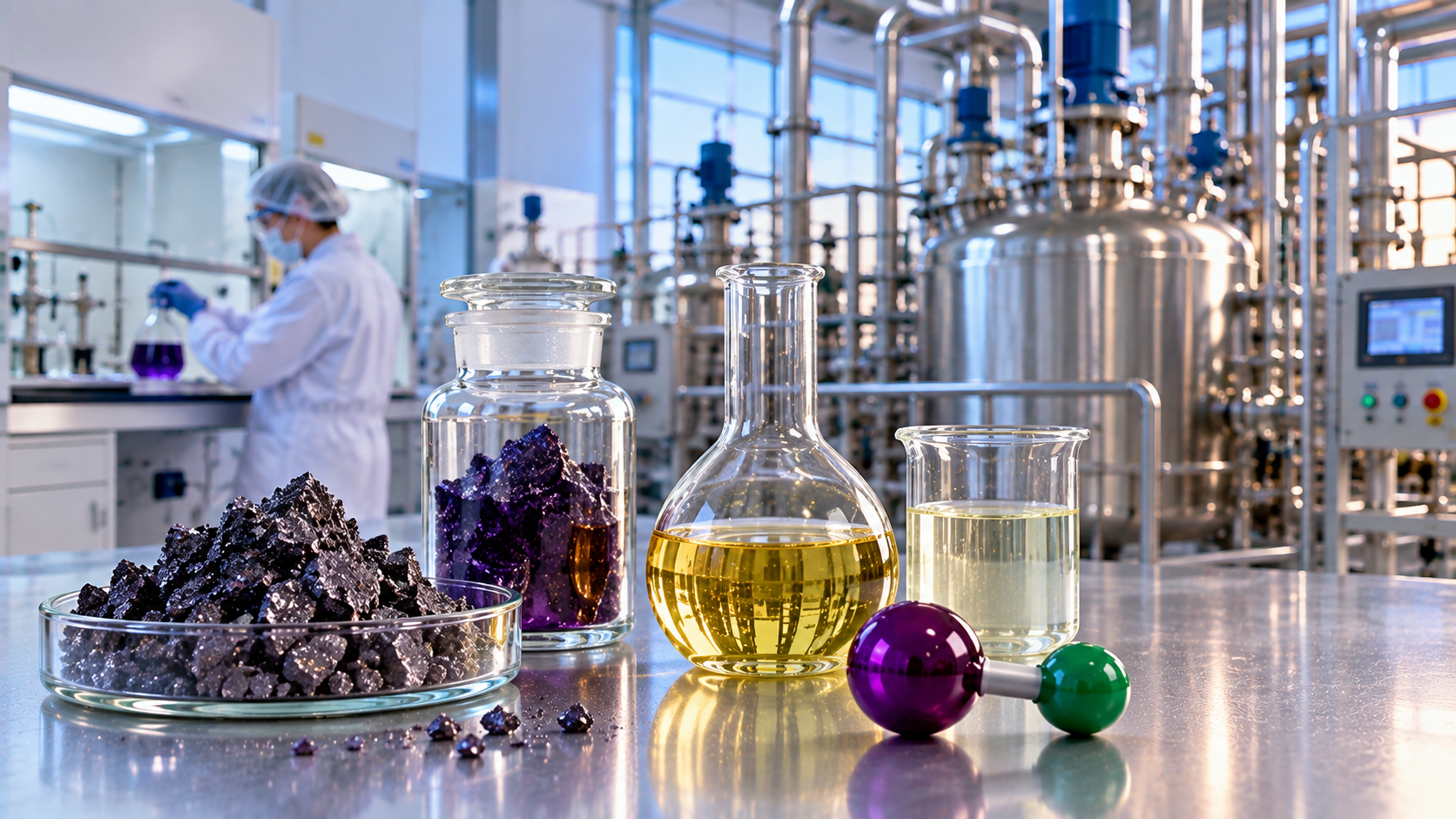
Iodine monochloride occupies a genuinely useful niche as a halogenating agent, valued primarily for introducing iodine atoms into organic molecules during synthesis, a role that makes it a real workhorse intermediate across pharmaceutical, dye, and fine chemical production. It also serves a well-established analytical chemistry function, forming the basis of the Wijs solution used to determine the iodine value of fats and oils, a standard test across food science and industrial chemistry labs. For an investor or corporate adviser evaluating a manufacturing plant, that combination of specialty synthesis reagent demand and steady analytical chemistry use gives iodine monochloride a demand base that's modest in scale but genuinely durable, tied to established industrial and laboratory practices rather than any single volatile end market.
Understanding the production economics here means starting from iodine monochloride's fundamentally simple chemistry, a direct reaction between two elemental halogens, while paying real attention to the specific supply chain and purity considerations that shape how commercially the finished product can actually be sold.
What a Production Cost Report Covers
A proper iodine monochloride production cost report breaks a plant's economics into distinct, individually priced components rather than one blended figure. It covers the manufacturing process, raw material requirements, utility needs, infrastructure, machinery and technology, manpower, packaging, and transportation, since each responds to different cost and handling pressures.
Raw materials carry significant weight in this breakdown, given how directly the product's cost tracks iodine and chlorine pricing, two elemental halogens with genuinely different supply chain characteristics. Utilities matter too, since achieving high purity in the final product requires careful reaction control and purification. Infrastructure and machinery costs cover the reaction vessels needed to safely combine crude iodine with chlorine gas, along with the filtration and separation equipment needed to isolate high-purity finished product from unreacted starting materials. Manpower, packaging, and transportation round out the picture, and given iodine monochloride's corrosive, hazardous classification, requiring careful handling as a chemical that burns skin, eyes, and lungs, specialized containment and shipping protocols carry real weight throughout.
Raw Materials Required for Iodine Monochloride Production
The core raw materials for iodine monochloride production are crude iodine and chlorine gas. Crude iodine itself is typically sourced from natural brine deposits, where it's recovered through oxidation processes from iodide-rich saltwater solutions, giving iodine monochloride's feedstock chain the same upstream exposure to brine-based iodine production that characterizes the broader iodine supply chain.
Because global iodine production is genuinely concentrated in a relatively small number of regions with suitable brine deposits, this feedstock carries real supply concentration risk, similar in character to other iodine-derived specialty chemicals where availability and pricing can move with mining and extraction output, regional export dynamics, and competing demand from other iodine-consuming industries like pharmaceuticals and X-ray contrast media production. Chlorine, by contrast, is produced through the chlor-alkali process, a well-established, broadly diversified industrial chemical with production tied to electricity-intensive electrolysis and available from a considerably wider base of suppliers than crude iodine. Because these two feedstocks trace back to such different supply chain profiles, concentrated brine-derived iodine versus broadly available chlor-alkali chlorine, a plant's real feedstock risk concentrates disproportionately on securing reliable, well-priced iodine supply specifically.
The Industrial Production Process
Iodine monochloride is produced by reacting crude iodine with chlorine gas, a genuinely straightforward halogen combination reaction where equal molar quantities of iodine and chlorine combine to form the interhalogen compound. Careful control of the chlorine-to-iodine ratio matters considerably here, since introducing excess chlorine drives the reaction toward iodine trichloride formation instead of the target iodine monochloride product, meaning precise stoichiometric control throughout the reaction is essential to achieving good product selectivity and yield.
A typical industrial process begins with crude iodine fed into a reaction vessel, followed by controlled introduction of chlorine gas into the reaction system. Any excess chlorine beyond what's needed for the target reaction gets absorbed through appropriate scrubbing systems, both to protect yield and to manage the environmental and safety considerations that unreacted chlorine gas would otherwise pose. Following the core reaction, the crude product undergoes filtering and separation to isolate high-purity iodine monochloride from any unreacted starting materials or minor byproducts, a purification stage that matters considerably given the purity standards required across the compound's pharmaceutical intermediate, dye production, and analytical chemistry applications.
Given how corrosive and hazardous both the reaction intermediates and finished product genuinely are, iodine monochloride handling and burns, this entire process demands serious attention to worker protection and containment at every stage, from initial chlorine gas introduction through final product isolation and packaging.
Capital Investment and Plant Setup Cost Factors
Capital costs for an iodine monochloride plant center on reaction vessels capable of safely combining crude iodine with chlorine gas under controlled stoichiometric conditions, along with chlorine gas handling and scrubbing systems needed to manage excess chlorine safely and effectively. Filtration and separation equipment adds a further meaningful capital layer, needed to achieve the purity standards the compound's various end applications demand.
Land and site costs follow regional patterns, though proximity to reliable crude iodine supply, given the mineral's concentrated global production, matters considerably more than simple land pricing, alongside reasonable access to chlorine supply from chlor-alkali producers. Engineering and construction costs scale with the safety and containment systems needed for handling chlorine gas and the corrosive finished product responsibly, including appropriate ventilation, scrubbing, and worker protection infrastructure given the compound's documented hazard profile. Working capital planning should account for crude iodine's genuinely concentrated supply chain, which can introduce pricing and availability considerations beyond what sourcing chlorine, a more broadly diversified industrial chemical, would typically carry.
Operating Cost Factors
Variable costs are led by crude iodine and chlorine gas consumption, and because these two feedstocks trace back to such different markets, concentrated brine-derived iodine production versus broadly available chlor-alkali chlorine, a plant's total raw material cost reflects two genuinely distinct exposures rather than one unified trend. Utilities add a further layer given the process control needed to maintain proper reaction stoichiometry and the purification energy required to isolate high-purity finished product.
Fixed costs include labor, maintenance, and overhead, with maintenance running above standard chemical manufacturing levels given the corrosive nature of both chlorine gas and iodine monochloride itself, which places real demands on equipment materials selection and regular upkeep. Quality control carries particular weight too, given how directly purity determines whether a given production batch can serve pharmaceutical intermediate, dye production, or precise analytical chemistry applications versus lower-value industrial uses.
Financing costs and depreciation depend on how capital-intensive the plant's reaction, scrubbing, and purification infrastructure turned out to be, and given the specialized, hazard-driven nature of much of this equipment, depreciation schedules deserve careful, process-specific modeling rather than generic chemical manufacturing assumptions.
What Pushes Iodine Monochloride Production Costs Up or Down
Feedstock pricing sits at the top of the list, and crude iodine specifically deserves the closer scrutiny given how concentrated its global supply chain genuinely is. Because iodine production concentrates in a relatively small number of brine-rich regions, mining and extraction disruptions, regional export policy, or competing demand from pharmaceutical and other iodine-consuming industries can all move iodine pricing meaningfully in ways that chlorine, a far more broadly available industrial commodity, simply doesn't experience to the same degree.
Technology and process selectivity matter too, particularly around how precisely a plant controls the chlorine-to-iodine reaction ratio to favor iodine monochloride formation over the iodine trichloride byproduct that excess chlorine would otherwise generate. A plant with tighter process control captures meaningfully better yield and purity outcomes per unit of costly iodine feedstock consumed. Scale plays a more limited role here than in bulk commodity chemical production, given how comparatively modest and specialty-driven the overall iodine monochloride market genuinely is relative to high-volume industrial chemicals.
Regional factors round out the picture, with access to reliable, well-priced crude iodine supply mattering more than almost any other regional consideration given how singularly this feedstock's concentration risk shapes overall plant economics. Does chlorine access matter at all regionally? To some degree, yes, since chlor-alkali production capacity varies by region, but it's a considerably less binding constraint than securing dependable iodine supply specifically.
Frequently Asked Questions
Q: Why does crude iodine's supply concentration matter so much more than chlorine's for this process?
A: Because global iodine production is concentrated in a relatively small number of brine-rich regions, while chlorine is produced broadly through the well-established, geographically diversified chlor-alkali process. That asymmetry means iodine carries meaningfully more supply concentration risk than chlorine does.
Q: How much does reaction stoichiometry control actually affect production economics?
A: Considerably, since excess chlorine beyond the target one-to-one molar ratio drives the reaction toward iodine trichloride formation instead of the desired iodine monochloride product. Precise process control here directly protects yield and reduces waste of the more expensive iodine feedstock.
Q: Does iodine monochloride's use in pharmaceutical intermediate production require different purity standards than its analytical chemistry use?
A: Generally yes. Pharmaceutical and fine chemical synthesis applications typically demand tighter purity specifications than the compound's role in Wijs solution or other standard analytical testing, meaning a plant's target market mix genuinely shapes its purification requirements.
Q: Is chlorine gas handling a meaningful safety cost factor here?
A: Yes, genuinely. Beyond iodine monochloride's own corrosive, hazardous nature, chlorine gas itself requires careful handling and scrubbing infrastructure, adding real safety and containment cost on top of what the core reaction chemistry alone might suggest.
Q: What's the biggest oversight investors make when evaluating an iodine monochloride plant?
A: Underestimating iodine feedstock supply concentration risk while treating both raw materials as similarly available industrial commodities. Chlorine's broad availability doesn't offset the real supply risk that concentrated global iodine production introduces.
Why This Analysis Matters for Decision-Making
Iodine monochloride's role as a reliable halogenating agent across pharmaceutical, dye, and fine chemical synthesis, alongside its established analytical chemistry function, gives it a genuinely durable, if modest-scale, demand base. But its production economics carry a real asymmetric feedstock risk, a concentrated, brine-derived iodine supply chain sitting alongside a far more broadly available chlorine input, that a generic cost estimate would easily overlook.
A detailed Iodine Monochloride Production Cost report gives investors, business brokers, corporate advisers, and finance companies the granular clarity needed to properly evaluate a plant, rather than treating both feedstocks as comparably secure industrial commodities when their real supply risk profiles differ so meaningfully. Before capital moves into a deal here, understanding exactly how exposed a plant's economics are to iodine supply concentration specifically isn't optional. It's what separates a well-underwritten investment from one priced on an incomplete read of where this compound's real feedstock risk actually sits.
- Managerial Effectiveness!
- Future and Predictions
- Motivatinal / Inspiring
- Fitness and Wellness
- Medical & Health
- Manufacturing
- Education
- Real-Estate
- Food Industry
- Hospitality
- Online Games
- Sports
- Home Services
- Civil Engineering
- Safety and Protection
- Software Products & Services
- Fashion and Jewellery
- Artificial Intelligence
- Entrepreneurship
- Mentoring & Guidance
- Marketing
- Networking
- HR & Recruiting
- Literature
- Shopping
- Career Management & Advancement