

 SkillClick
Is Hair Transplant in Dubai a Good Option for Receding Hairlines?
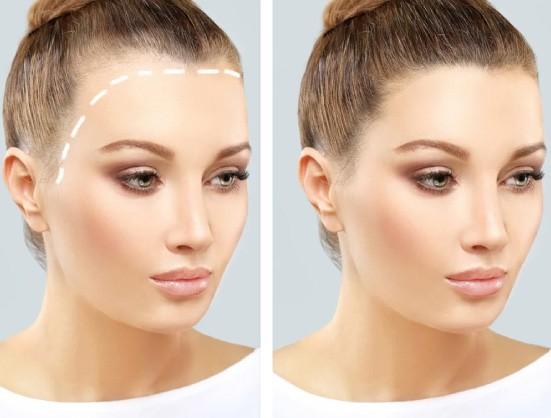
A receding hairline is one of the most common signs of hair loss, particularly in men, although women can also experience changes in the frontal hairline. It may begin gradually at the temples and become more noticeable over time. For people who want a longer-lasting solution, a Hair Transplant in Dubai can be a suitable option when the cause and pattern of hair loss are carefully evaluated.
Unlike temporary styling solutions, hair transplantation focuses on moving healthy hair follicles from a donor area to areas affected by thinning or recession. However, not everyone with a receding hairline is automatically a candidate. Age, hair-loss progression, donor hair availability, overall health, and expectations all play an important role.
What Causes a Receding Hairline?
A receding hairline can develop for several reasons. The most common is androgenetic alopecia, often called male or female pattern hair loss. Genetic sensitivity to certain hormones can gradually cause susceptible follicles to become thinner and produce shorter hairs.
Other possible factors include:
- Family history of hair loss
- Hormonal changes
- Certain medical conditions
- Nutritional deficiencies
- Significant physical or emotional stress
- Some medications
- Traction or repeated pulling of the hair
Understanding the underlying cause is important before considering hair restoration. Treating active hair loss may sometimes be recommended before or alongside a transplant.
How Can a Hair Transplant Help a Receding Hairline?
Hair transplantation can restore density in areas where hair has become permanently sparse or disappeared. During the procedure, follicles from a suitable donor area are harvested and carefully placed into the recipient area.
For a receding hairline, the treatment may focus particularly on the frontal region and temples. A carefully planned hairline is important because an overly low or straight hairline can look unnatural as a person ages.
Modern transplantation techniques aim to create a hairline that follows the patient's facial structure and existing hair pattern. The placement, direction, angle, and distribution of grafts can all influence the final appearance.
Which Hair Transplant Technique May Be Used?
Several hair restoration approaches are available, and the appropriate technique depends on the individual's needs.
FUE (Follicular Unit Extraction) involves extracting individual follicular units from the donor area and transplanting them into areas experiencing hair loss. It is widely used because it does not require a traditional linear strip incision.
DHI (Direct Hair Implantation) is another approach in which harvested follicles are implanted using specialized tools. It may provide precise control over placement in suitable cases.
The best technique is not determined simply by popularity. A qualified hair restoration professional should assess the patient's hair characteristics, donor supply, degree of recession, and desired outcome before recommending an approach.
Who May Be a Good Candidate?
A person with a receding hairline may be considered for transplantation when there is sufficient healthy donor hair and the pattern of hair loss is reasonably predictable.
A consultation may evaluate:
- The current pattern and extent of recession
- Hair density in the donor region
- Hair thickness and texture
- Family history of hair loss
- The stability of ongoing hair loss
- Scalp condition
- General health
- Expectations regarding the outcome
Younger patients may require particularly careful planning because their hair loss could continue after transplantation. Designing a hairline with long-term progression in mind can help create a more balanced result.
What Results Can You Expect?
Hair transplant results develop gradually rather than immediately. Newly transplanted follicles typically require time to settle and begin producing visible hair. Initial shedding can occur during the early stages, which does not necessarily mean the procedure has failed.
Over the following months, new growth generally becomes progressively more noticeable. The final outcome can take many months to develop, and the exact timeline varies between individuals.
The quality of the result depends on multiple factors, including follicle survival, surgical technique, donor hair quality, aftercare, and the individual's natural growth cycle.
Can a Hair Transplant Create a Natural-Looking Hairline?
Yes, a well-planned transplant can produce a natural-looking hairline, but the design is critical. Natural frontal hairlines are not perfectly straight. They contain subtle irregularities and varying follicle densities.
Experienced hair restoration teams generally consider facial proportions, age, existing hair direction, temple shape, and future hair-loss patterns when planning the recipient area.
Using appropriate graft placement and avoiding excessive density in the frontal zone can also contribute to a more natural transition between transplanted and existing hair.
Why Choose Tajmeels Clinic for Hair Transplant in Dubai?
Choosing the right clinic is an important part of the hair restoration journey. Tajmeels clinic focuses on individualized treatment planning, careful assessment, and patient-centered care for people considering hair transplant treatment in Dubai.
A consultation at the clinic can help determine whether transplantation is appropriate for the pattern of recession and whether additional hair-loss management may be beneficial. Treatment planning can take into account the patient's current hairline, donor area, facial proportions, and long-term aesthetic goals.
Patients should always choose a clinic that prioritizes proper assessment, transparent communication, appropriate medical standards, and realistic expectations rather than promising identical results for everyone.
What Should You Do Before Choosing a Hair Transplant?
Start with a professional consultation rather than choosing a procedure based only on advertisements or photographs. Ask about the recommended technique, donor area, expected timeline, possible risks, aftercare, and how the hairline will be designed.
It is also useful to understand that a transplant redistributes existing follicles rather than creating an unlimited supply of new hair. Preserving the donor area and planning for potential future hair loss are therefore essential parts of responsible treatment.
Conclusion
For suitable candidates, a hair transplant in Dubai can be an effective option for addressing a receding hairline and improving the appearance of the frontal scalp. The success of treatment depends on careful candidate selection, appropriate technique, realistic expectations, and thoughtful hairline design.
If you are considering hair restoration, a consultation can help determine whether transplantation is suitable for your current stage of hair loss. Tajmeels Clinic provides personalized assessment and treatment planning designed around individual hair characteristics and long-term aesthetic goals.
More Information
Tajmeels Clinic Dubai
WhatsApp: +971 56 203 8751
Phone: tel:+971 43739000
Social Media:
- Managerial Effectiveness!
- Future and Predictions
- Motivatinal / Inspiring
- Fitness and Wellness
- Medical & Health
- Manufacturing
- Education
- Real-Estate
- Food Industry
- Hospitality
- Online Games
- Sports
- Home Services
- Civil Engineering
- Safety and Protection
- Software Products & Services
- Fashion and Jewellery
- Artificial Intelligence
- Entrepreneurship
- Mentoring & Guidance
- Marketing
- Networking
- HR & Recruiting
- Literature
- Shopping
- Career Management & Advancement