

 SkillClick
Dysprosium Iron Alloy Price Trend August 2026 Update
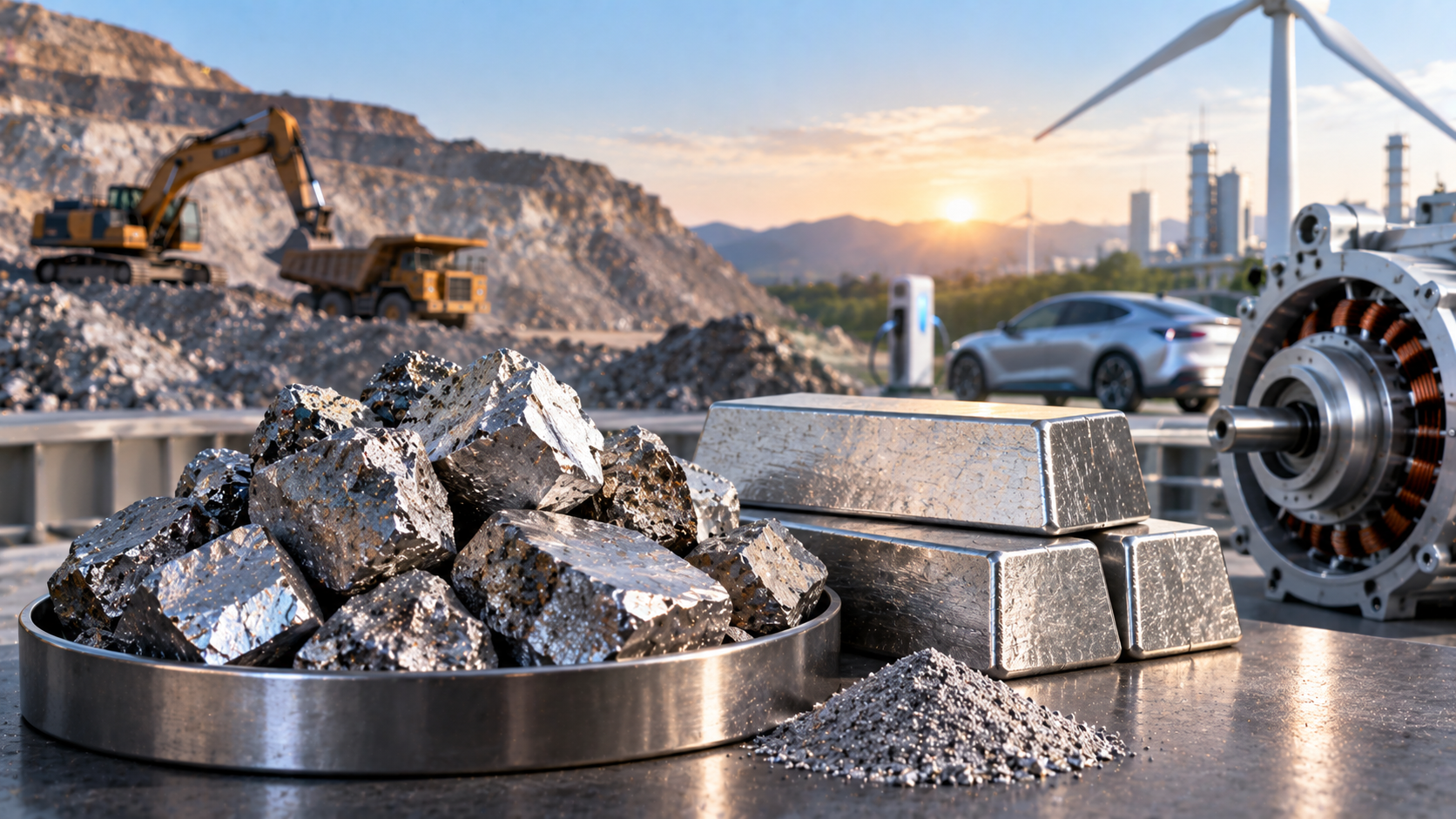
Dysprosium Iron Alloy Price Trend: China's August 2026 Numbers
Rare earth alloy buyers got a small but telling signal in August 2026. Dysprosium iron alloy in China moved to USD 204,476.00 per metric ton on a spot basis, up from USD 204,428.00 in July. A gain of just USD 48.00 per ton doesn't sound like much on its own. But at prices this high, even a modest tick carries weight for anyone budgeting large-volume purchases.
Dysprosium iron alloy isn't a commodity most people outside the magnet and defense industries think about often. It should be, though. This alloy feeds directly into permanent magnets used in EV motors, wind turbines, and precision defense equipment. China dominates the supply chain here, so its spot pricing effectively sets the tone for buyers everywhere else.
Dysprosium Iron Alloy Prices: July to August 2026
| Product | Region | Incoterm Basis | Price | Last Updated |
|---|---|---|---|---|
| Dysprosium Iron Alloy | China | SPOT | USD 204,476.00/MT | August 2026 |
| Dysprosium Iron Alloy | China | SPOT | USD 204,428.00/MT | July 2026 |
A USD 48.00 rise month over month. Small in percentage terms, sure. But this is a market where individual tons run into six figures, so buyers negotiating multi-ton contracts still feel it on the total invoice.
Both figures reflect spot pricing out of China. That matters because spot deals react fast to whatever's happening on the ground: mining quotas, refining capacity, export controls, all of it shows up here first, well before it filters into longer-term contract pricing.
What's Behind the Dysprosium Iron Alloy Price Trend
Rare earth pricing rarely moves for one clean reason. A few forces tend to overlap.
China controls the overwhelming majority of dysprosium mining and processing. That concentration means policy decisions inside China carry outsized influence on global pricing. Export quotas, environmental crackdowns on illegal mining, refining bottlenecks. Any of these can tighten supply fast.
Demand isn't standing still either. EV production keeps climbing globally, and dysprosium is critical for the high-temperature permanent magnets used in EV motors. Wind turbine manufacturers need it too, particularly for offshore installations where magnets have to hold up under heavier loads.
Defense procurement adds another layer. Several governments have flagged rare earth supply security as a strategic priority, and that kind of demand doesn't disappear when prices climb. If anything, it can push buyers to lock in supply regardless of cost.
A Few Questions Buyers Are Actually Asking
Is a USD 48.00 increase actually significant?
At six-figure per-ton pricing, yes. Scale it across a 20-ton order and that's nearly a thousand dollars added to the invoice from one monthly shift alone.
Does this month-over-month rise signal a longer trend?
Two data points aren't enough to call it a trend with confidence. Worth watching September's figure closely before drawing conclusions either way.
Why does China's spot price matter so much globally?
Because there's barely any alternative supply chain at scale. Most buyers, wherever they're located, end up pricing against Chinese output whether they source directly from China or not.
Should buyers lock in contracts now or wait?
Depends heavily on individual risk tolerance and how tight your supply chain timeline is. Rare earth markets have swung sharply before on short notice, so waiting isn't automatically the safer bet.
What This Means Going Forward
Buyers sourcing dysprosium iron alloy right now face a market that's edging upward, not sharply, but consistently enough to notice. Procurement teams working with EV or wind component manufacturers should treat this trend as an early input for cost forecasting rather than something to react to after the fact.
Investors watching the rare earth space might read the steady climb as confirmation that structural demand, EVs, defense, renewables, isn't slowing down anytime soon. Supply concentration in China means any policy shift there deserves close attention going forward, probably more than the monthly price figure itself.
Anyone negotiating supply agreements should build in some flexibility. Locking a long-term rate based on August's number alone, without accounting for how fast rare earth pricing can move, carries real risk. Ask suppliers directly about their exposure to China's export policy. That single question often reveals more than the spot price does.
Conclusion
China's dysprosium iron alloy price trend edged higher in August 2026, reaching USD 204,476.00 per metric ton, up from USD 204,428.00 in July. The increase is modest in isolation, but it fits into a broader pattern of tightening rare earth supply against rising demand from EV, wind, and defense sectors. For buyers and investors tracking this space, the dysprosium iron alloy price trend is one worth checking monthly, not quarterly.
FAQ Section
What is the current dysprosium iron alloy price trend in China?
As of August 2026, dysprosium iron alloy in China trades at USD 204,476.00 per metric ton on a spot basis, up from USD 204,428.00 in July. The modest month-over-month rise reflects tightening supply against steady demand from magnet manufacturers.
Why is dysprosium iron alloy so expensive?
Dysprosium is a rare earth element with limited global mining and refining capacity, most of it concentrated in China. It's essential for high-performance permanent magnets used in EVs and wind turbines, and that combination of scarce supply and critical demand keeps prices elevated.
What industries use dysprosium iron alloy the most?
Electric vehicle motor manufacturing is the biggest driver, since dysprosium improves magnet performance at high temperatures. Wind turbine producers, particularly for offshore projects, rely on it heavily too. Defense and aerospace applications add further steady demand on top of that.
How reliable is China's spot price as a global benchmark?
Fairly reliable, given China's dominant share of dysprosium mining and processing. Most global buyers end up referencing Chinese spot pricing regardless of where they actually source from, since alternative supply chains remain too small to set independent pricing at scale.
What should buyers watch for in the coming months?
Chinese export policy changes, mining quota adjustments, and EV production forecasts all matter here. A single-month price shift like August's USD 48.00 rise isn't conclusive on its own, so tracking consecutive months gives a clearer read on where the market is actually heading.
- Managerial Effectiveness!
- Future and Predictions
- Motivatinal / Inspiring
- Fitness and Wellness
- Medical & Health
- Manufacturing
- Education
- Real-Estate
- Food Industry
- Hospitality
- Online Games
- Sports
- Home Services
- Civil Engineering
- Safety and Protection
- Software Products & Services
- Fashion and Jewellery
- Artificial Intelligence
- Entrepreneurship
- Mentoring & Guidance
- Marketing
- Networking
- HR & Recruiting
- Literature
- Shopping
- Career Management & Advancement