

 SkillClick
Planning to Build a Fantasy Sports App? Start With These 7 Steps
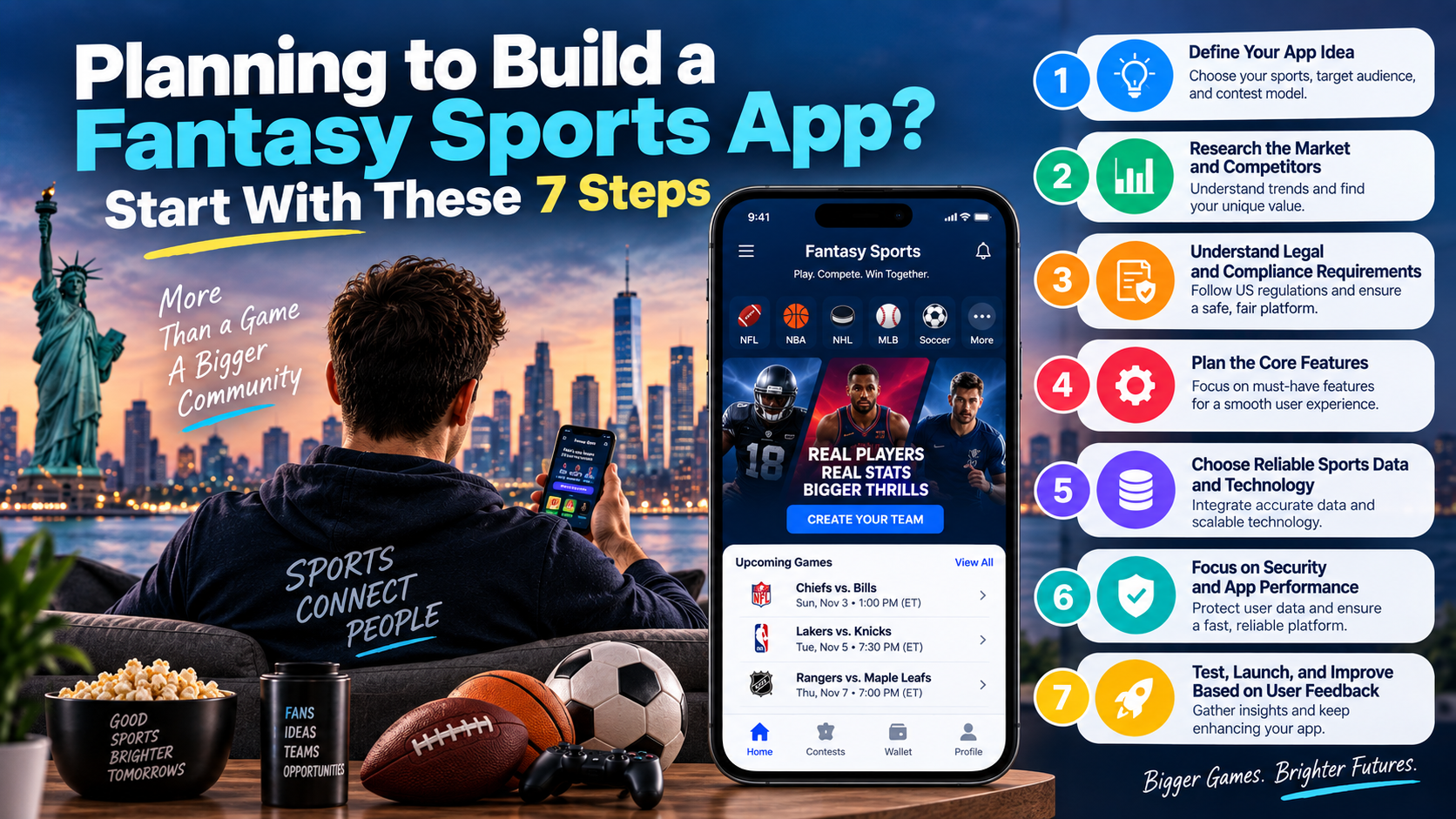
Fantasy sports has changed the way fans follow their favorite games. Instead of only watching a match, users can create their own teams, select real players, compete with friends, and track player performances throughout a game.
Because of this growing interest, many businesses are looking at fantasy sports as a possible online business opportunity. But building a fantasy sports app is not as simple as adding a team selection screen and a leaderboard. There are several important things to plan before development begins.
If you are thinking about entering this market, starting with the right steps can save you time, money, and unnecessary development work.
Here are seven important steps to follow before building your fantasy sports app.
1. Decide What Type of Fantasy Sports App You Want
The first step is to be clear about your app idea.
Fantasy sports platforms can work in different ways. You may want to focus on one sport, such as cricket or football, or support multiple sports. You also need to decide whether users will play daily contests, season-long leagues, private competitions, or different formats.
For example, a cricket fantasy app could allow users to create a team before every match. Another platform may focus on longer tournaments where users manage their teams throughout an entire season.
Think about your target users and what kind of experience they are looking for.
Ask yourself:
-
Which sports will the app support?
-
Who are the target users?
-
Will contests be free, paid, or both?
-
Will users compete in private leagues?
-
Which countries or markets will you target?
Answering these questions early will give your development team a clear direction.
2. Research the Market and Your Competitors
Before spending money on development, study the existing fantasy sports market.
Look at popular fantasy platforms and understand what they are doing well. Pay attention to their registration process, contest formats, scoring systems, rewards, payment options, and overall user experience.
But competitor research should not mean copying another app.
Instead, find areas where your app can offer something different. Maybe your platform can provide a simpler interface, better live updates, unique contests, stronger community features, or support for a sport that is not well served.
You should also research your target audience. Find out what users like, what problems they face, and why they may choose one fantasy platform over another.
This research can help you avoid building features that users do not really need.
3. Understand the Legal and Compliance Requirements
This is one of the most important steps, and it should not be left until the end of development.
Fantasy sports rules can differ from one country, state, or region to another. If your platform includes paid contests or cash prizes, there may be additional requirements related to gaming laws, age restrictions, taxation, identity verification, payments, responsible gaming, and user protection.
Do not assume that a fantasy sports model that works in one market will automatically be legal in another.
Before development starts, speak with a qualified legal professional who understands the regulations in your target market. Your app may also need features such as age verification, KYC checks, location restrictions, responsible gaming controls, and clear terms and conditions.
Getting this part right early can prevent expensive changes later.
4. Prepare the Core Features
Once your business model and market are clear, decide what your first version of the app actually needs.
A common mistake is trying to launch with every possible feature. This can make the product expensive and difficult to manage.
Start with the features that directly support the main user journey.
These may include:
-
User registration and login
-
User profiles
-
Sports and match listings
-
Player selection
-
Team creation
-
Contest joining
-
Live scores and player updates
-
Leaderboards
-
Wallet and payment options
-
Notifications
-
Contest history
-
Admin dashboard
-
User and contest management
You can always add advanced features later.
For example, social features, referral programs, advanced statistics, loyalty systems, AI-based suggestions, and personalized recommendations can be introduced after you understand how users interact with the first version.
5. Choose Reliable Sports Data and Technology
Live sports information is at the heart of a fantasy sports platform.
Your users need accurate information about matches, players, scores, statistics, and other events. Delayed or incorrect data can quickly damage trust in your platform.
This is why choosing a reliable sports data provider or API is important. Check what sports and leagues it covers, how frequently data is updated, what statistics are available, and how much the service costs as your user base grows.
You also need to select the right technology for your app. This includes decisions about mobile platforms, backend architecture, databases, security, cloud infrastructure, and payment integration.
If you are working with a fantasy sports app development company, discuss these technical requirements before development begins. A good development partner should be able to explain why a particular technology or architecture is suitable for your project rather than simply recommending the latest tools.
6. Focus on Security and App Performance
Users are trusting your platform with personal information, account details, and potentially money. Security should therefore be part of the development process from the beginning.
Use secure login methods, protect sensitive information, and apply proper access controls. Payment transactions should also be handled through trusted payment solutions.
Performance matters just as much.
Imagine thousands of users trying to join a popular contest seconds before a match begins. If the app becomes slow or stops responding, users may leave the platform.
Your development team should test the app under different traffic conditions. Load testing, security testing, API testing, and payment testing can help identify problems before launch.
A smooth and reliable experience is not a luxury for a fantasy sports app. It is a basic requirement.
7. Test, Launch, and Improve Based on User Feedback
Do not treat the first launch as the final version of your product.
Before releasing the app publicly, test the complete user journey. Check registration, team creation, contest joining, scoring, notifications, payments, withdrawals, and leaderboard updates.
It is also useful to allow a small group of users to test the app before a wider launch. Their feedback can reveal problems that your development team may have missed.
After launch, continue watching user behavior and feedback.
Which contests are popular? Where do users leave the app? Which features are rarely used? Are users facing problems with payments or withdrawals?
Use this information to improve the product.
For example, We AppIt Right can help businesses approach fantasy sports app development with a focus on the product requirements, features, and technical needs of the platform.
Final Thoughts
Building a fantasy sports app requires more than good design and technical development. You need a clear business model, proper market research, legal planning, reliable sports data, strong security, and a product that is easy for users to understand.
The seven steps above give you a practical starting point. First define your idea, then understand your market and legal responsibilities. After that, plan the right features, technology, data sources, security measures, and testing process.
Choosing the right Fantasy Sports App Development company can also make a major difference, especially when your project involves real-time sports data, payment systems, large user traffic, and complex contest logic.
Most importantly, do not try to build everything at once. Start with a strong core product, listen to your users, and improve the app over time. That approach can give your fantasy sports business a much better foundation for long-term growth.
We AppIt Right can be considered as a development partner when you are planning the technical side of your fantasy sports platform and need support from the early planning stage through development and improvement.
- Managerial Effectiveness!
- Future and Predictions
- Motivatinal / Inspiring
- Fitness and Wellness
- Medical & Health
- Manufacturing
- Education
- Real-Estate
- Food Industry
- Hospitality
- Online Games
- Sports
- Home Services
- Civil Engineering
- Safety and Protection
- Software Products & Services
- Fashion and Jewellery
- Artificial Intelligence
- Entrepreneurship
- Mentoring & Guidance
- Marketing
- Networking
- HR & Recruiting
- Literature
- Shopping
- Career Management & Advancement