

 SkillClick
Metal Fabrication: A Complete Guide to Custom Metal Solutions
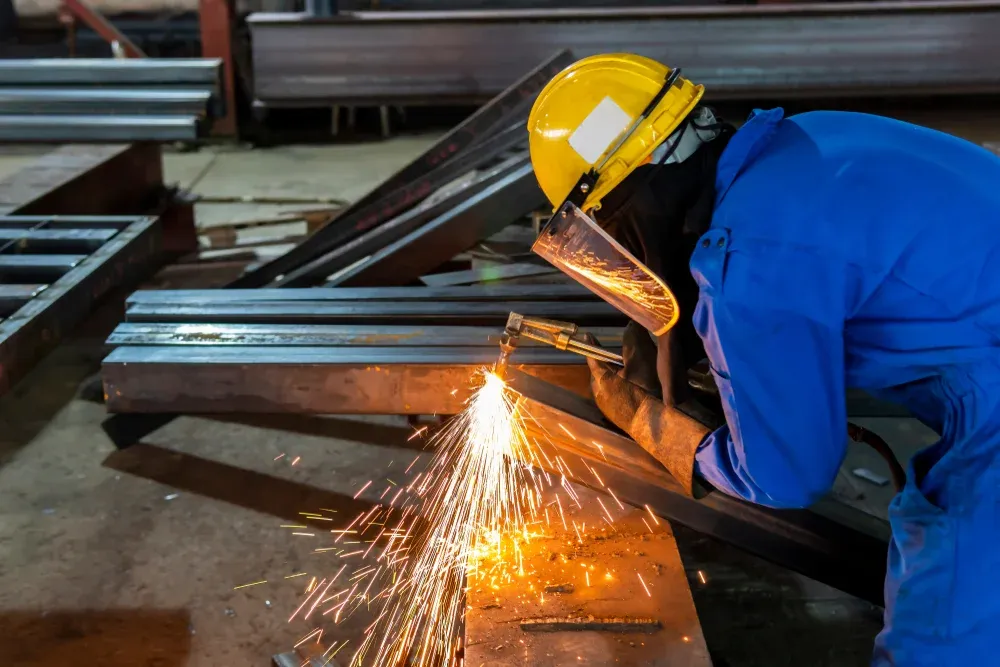
Metal plays a vital role in construction, manufacturing and many commercial projects. It offers strength, durability and flexibility. However, raw metal rarely fits a project without some changes. Metal Fabrication helps turn raw materials into useful parts, structures and products.
From cutting and bending to welding and finishing, fabrication involves several important steps. With careful planning and skilled work, businesses can create metal components that match their exact requirements.
What Is Metal Fabrication?
Metal fabrication is the process of shaping and joining metal to create a finished product or structure. The work can involve materials such as steel, stainless steel and aluminium.
A project normally starts with a design or set of measurements. Fabricators then choose suitable materials and tools for the job.
Depending on the project, the process may include cutting, drilling, bending, welding and assembly. Each stage requires accuracy to achieve a suitable final result.
Common Metal Fabrication Processes
Different projects require different fabrication methods. The following processes are widely used across construction and industrial work.
Cutting
Cutting removes sections of metal to achieve the required dimensions. Accurate cutting helps components fit together during later stages.
The method used can depend on the material, thickness and design. Proper equipment also helps maintain consistent results.
Bending
Bending changes the shape of metal without separating it into different pieces. It can create angles, curves and other shapes required by a project.
Careful measurements are important because incorrect bending can affect the final fit.
Welding
Welding joins metal components together. It can create strong connections when professionals use an appropriate welding method.
The welding process also requires suitable preparation and inspection to ensure the finished joints meet project requirements.
Drilling
Drilling creates holes for bolts, screws and other fittings. Accurate positioning helps ensure that different components connect correctly.
Where Is Metal Fabrication Used?
Metal Fabrication supports many industries and applications. Construction companies may use fabricated metal for structural frames, stairs, railings, platforms and supports.
Industrial facilities can require custom brackets, machinery supports and access structures. Commercial buildings may also use fabricated metal for gates, handrails and architectural features.
Furthermore, custom fabrication can help when standard products do not fit a particular space or design.
Benefits of Custom Metal Fabrication
One major advantage of custom fabrication is flexibility. A fabricator can create components based on specific measurements and project requirements.
This can be especially useful for unusual spaces or specialist applications. Custom components may also make installation easier because they can match the planned design.
In addition, accurate fabrication can help reduce unnecessary adjustments during installation. As a result, good planning can support smoother project progress.
Choosing the Right Metal
The choice of material can affect the performance and lifespan of a fabricated product. Different metals have different properties.
Steel may suit projects where strength is important. Aluminium can be useful when lower weight is a priority. Stainless steel may be considered where corrosion resistance matters.
The environment also plays a role. Outdoor structures may face moisture and changing weather, while industrial components may experience heat, chemicals or heavy use.
Therefore, material selection should form part of the early planning process.
Why Precision Matters
Accurate measurements are essential in metal fabrication. Even a small error can cause components to fit poorly.
Fabricators should work from clear drawings, specifications and measurements. They should also check dimensions throughout the production process.
Quality inspections can identify issues before components reach the installation site. This can help reduce material waste, delays and costly corrections.
Choosing a Metal Fabrication Provider
Choosing an experienced fabrication provider is an important project decision. Consider the provider's experience, equipment, workmanship and ability to meet project specifications.
Communication also matters. Share accurate drawings, dimensions, material requirements and finishing details from the beginning.
For businesses seeking professional services in the UAE, Metal Fabrication services can support a variety of construction, commercial and industrial requirements.
Before work begins, discuss the project scope, materials, expected finish and delivery schedule. Clear communication can help reduce confusion later.
Planning a Fabrication Project
Good planning can make the fabrication process more efficient. Start with accurate measurements and a clear design.
Next, decide which materials and fabrication methods the project requires. Consider the final location of each component as well.
Transportation is another important factor. Large metal structures may require careful handling and suitable delivery arrangements.
By considering these details early, businesses can reduce delays and unexpected changes.
Maintaining Fabricated Metal
Proper maintenance can help extend the useful life of fabricated metal. The maintenance routine depends on the material and its environment.
Outdoor metal structures should receive regular inspections. Look for rust, surface damage, loose fittings and signs of wear.
Cleaning can also help keep surfaces in good condition. If damage appears, arrange suitable repairs before the problem becomes more serious.
Importance of Professional Work
Professional fabrication requires suitable tools, knowledge and attention to detail. Poor measurements or incorrect techniques can affect the final product.
An experienced team can assess the project requirements and select suitable methods. They can also identify potential problems during the planning stage.
This approach can help businesses achieve consistent results and reduce avoidable issues.
Final Thoughts
Metal Fabrication provides practical solutions for construction, manufacturing and commercial projects. It allows raw metal to become strong, functional and customised components.
Cutting, bending, drilling, welding and assembly all play important roles in the process. However, successful results depend on accurate measurements, suitable materials and careful workmanship.
Whether you need structural supports, railings, platforms, frames or custom metal components, professional fabrication can help meet specific project requirements. With good planning and regular maintenance, fabricated metal can provide a durable solution for many applications.
- Managerial Effectiveness!
- Future and Predictions
- Motivatinal / Inspiring
- Fitness and Wellness
- Medical & Health
- Manufacturing
- Education
- Real-Estate
- Food Industry
- Hospitality
- Online Games
- Sports
- Home Services
- Civil Engineering
- Safety and Protection
- Software Products & Services
- Fashion and Jewellery
- Artificial Intelligence
- Entrepreneurship
- Mentoring & Guidance
- Marketing
- Networking
- HR & Recruiting
- Literature
- Shopping
- Career Management & Advancement