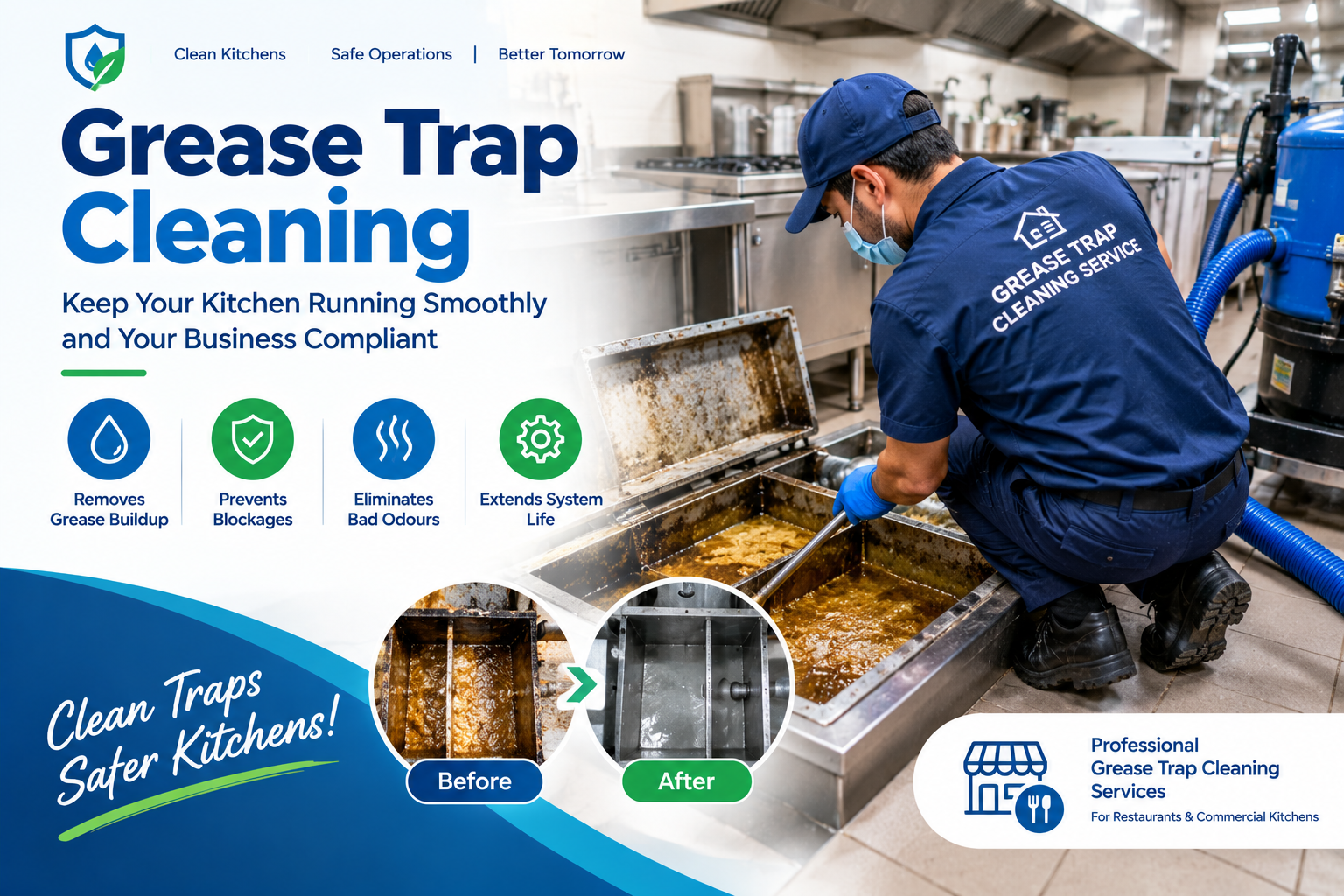
A grease trap plays an important role in kitchens by capturing fats, oils, and food particles before they enter drainage systems. When the trap is neglected or handled incorrectly, small maintenance issues can quickly become expensive plumbing problems. Understanding common mistakes helps restaurant owners and kitchen managers protect their drainage systems, maintain cleaner work areas, and avoid unnecessary interruptions.
Waiting Until the Trap Is Full
One of the most common mistakes is delaying maintenance until unpleasant smells or slow drains appear. A grease trap does not suddenly become a problem when it reaches capacity. Buildup develops gradually, reducing its ability to separate grease from wastewater effectively. Waiting too long can allow accumulated material to harden and create blockages farther along the plumbing system. A regular schedule is safer than relying on warning signs.
Ignoring Manufacturer Recommendations
Different grease traps have different capacities, designs, and maintenance requirements. Treating every unit exactly the same can lead to poor results. Owners should review the equipment documentation and understand recommended inspection and servicing intervals. Local regulations may establish requirements for commercial kitchens. Following both manufacturer guidance and applicable rules can help prevent avoidable compliance issues.
Using the Wrong Cleaning Products
Harsh chemicals may seem like a convenient way to dissolve grease, but they are not always appropriate for a grease trap. Certain products can interfere with the separation process or simply push grease deeper into the drainage network instead of removing it. Staff should avoid experimenting with treatments without understanding their effects. Professional advice is useful when choosing products for routine care.
Treating Only the Visible Surface
Another mistake is removing material from the top while leaving heavy deposits elsewhere in the trap. Grease and solids can accumulate at different levels, so a quick surface cleanup may provide only temporary improvement. Maintenance should address the contents throughout the unit and ensure collected waste is handled properly. Incomplete cleaning can make the next problem arrive sooner than expected.
Forgetting About Food Solids
Grease is not the only material that creates trouble. Food scraps, sediment, and other solids can settle inside the trap and reduce available capacity. Kitchen workers should use drain screens and dispose of food waste through appropriate channels rather than allowing large particles to enter the plumbing. Reducing the amount of solid material entering the system makes routine maintenance easier and supports better drainage performance.
Choosing Service Based Only on Price
Cost matters, but the cheapest option may not provide the most reliable service. When comparing grease trap cleaning providers, consider their experience, equipment, disposal practices, scheduling flexibility, and reputation. Ask what the quoted price includes and whether additional charges could apply. A clear estimate makes it easier to compare companies fairly and avoid unexpected costs after the work is completed.
Failing to Keep Maintenance Records
Without records, it can be difficult to know when a trap was last serviced or identify recurring problems. Keep dates, service details, observations, and any recommendations in an accessible maintenance log. These records can help managers plan appointments and demonstrate responsible maintenance. They may also reveal patterns that suggest a need for changes in kitchen practices.
Neglecting Early Warning Signs
Unusual odors, slow drainage, backups, or changes in trap performance should not be dismissed. These signs can indicate that maintenance is overdue or that another plumbing issue is developing. Addressing concerns early can prevent a minor inconvenience from becoming a disruption. Staff should know whom to contact when something unusual occurs and should report problems promptly.
Building Better Kitchen Habits
Good grease trap maintenance starts with everyday behavior. Staff can reduce problems by scraping plates before washing them, keeping food waste out of sinks, using suitable drain screens, and following established cleaning procedures. Managers can support these habits with training and reminders.
A dependable maintenance routine protects more than the trap itself. It supports smoother kitchen operations, reduces the chance of drainage emergencies, and can extend the useful life of plumbing equipment. Avoiding common mistakes is often easier and less costly than dealing with the consequences of neglected maintenance. With consistent care, informed staff, and professional attention when necessary, commercial kitchens can keep their drainage systems working more reliably.


 SkillClick