

 SkillClick
India Bio-Fertilizers Industry: Sustainable Inputs Gain Ground in Modern Agriculture
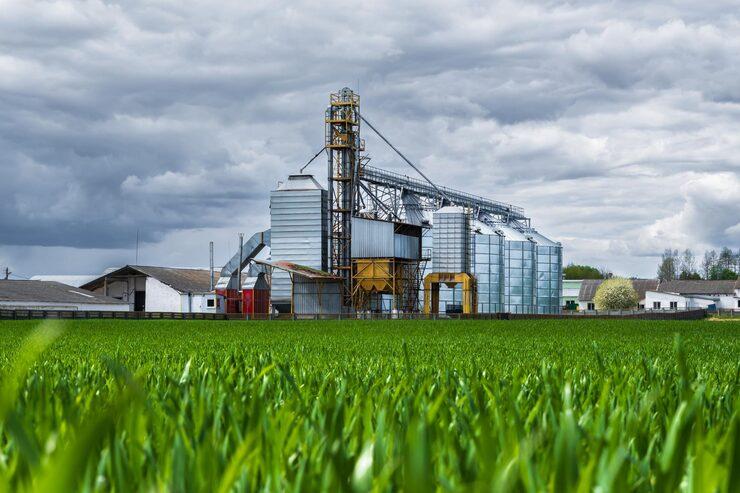
India's agricultural sector is increasingly focused on improving soil health, maintaining crop productivity, and reducing excessive dependence on conventional chemical inputs. Bio-fertilizers, which use beneficial microorganisms to support nutrient availability and plant growth, are gaining attention as farmers explore more sustainable approaches to crop nutrition. Their use spans cereals, grains, fruits, vegetables, pulses, oilseeds, and other crops.
A comprehensive assessment by MarkNtel Advisors’ India Bio-Fertilizers Market report projects the market to expand at a CAGR of around 8.65% during 2024–2030. The Industry identifies growing awareness of environmental sustainability, concerns about soil health and fertility, increasing agricultural activity, rising demand for quality fruits and vegetables, and government support for sustainable agricultural inputs as key factors influencing market development.
Soil Health Concerns Encourage Adoption
Long-term agricultural productivity depends heavily on maintaining soil fertility and nutrient availability. Excessive or imbalanced use of chemical inputs can contribute to soil-quality concerns, encouraging farmers to consider biological alternatives as part of integrated nutrient-management practices.
Bio-fertilizers contain microorganisms that can help improve nutrient availability to plants. Depending on the formulation, they can support nitrogen fixation or the solubilization and mobilization of nutrients such as phosphorus and potassium. The Indian Council of Agricultural Research has developed and documented several microbial formulations, including ICAR's bio-fertilizer technologies, demonstrating the role of microbial inputs in sustainable crop production.
Government Policies Create Market Opportunities
Government initiatives are an important factor supporting the adoption of bio-fertilizers. The market study identifies policy measures and agricultural schemes as a significant opportunity, particularly as authorities encourage more balanced fertilizer use and improvements in soil health.
The Government of India has been promoting organic fertilizers and bio-fertilizers alongside soil-test-based fertilizer recommendations. Under PM-PRANAM, states and Union Territories receive incentives for reducing chemical-fertilizer consumption while promoting alternative fertilizers and sustainable agricultural practices. The Press Information Bureau's overview of PM-PRANAM explains how the initiative is intended to encourage balanced fertilizer use, organic farming, and resource-conservation technologies.
Such policy support can improve awareness among farmers and create opportunities for manufacturers to expand distribution across different agricultural regions.
Nitrogen-Fixing Bio-Fertilizers Lead
By type, nitrogen-fixing bio-fertilizers hold the dominant position in the market. Nitrogen is an essential nutrient for plant development and is particularly important for crops such as rice, wheat, pulses, and vegetables.
The report links demand for nitrogen-fixing products with nutrient deficiencies and efforts to improve soil productivity. Microorganisms such as Rhizobium, Azotobacter, and Azospirillum can contribute to nitrogen availability through biological processes, making these products relevant to farmers seeking alternatives or complements to conventional nutrient inputs.
Phosphate-solubilizing products and other formulations, including zinc-solubilizing and potassium-mobilizing bio-fertilizers, provide additional opportunities as farmers seek more targeted nutrient-management solutions.
Foliar Application Holds a Strong Position
Among applications, foliar treatment accounts for a prominent market share. Foliar application involves delivering nutrients or biological formulations directly to plant leaves, allowing farmers to target specific nutritional requirements during crop development.
The report highlights the ability of foliar application to provide nutrients quickly and address certain growth constraints. Micronutrients such as zinc, iron, and manganese can also be delivered through foliar treatments, making this method relevant to integrated nutrient-management practices.
Soil treatment and seed treatment remain additional application areas, offering farmers different ways to incorporate bio-fertilizers into crop-production practices.
Expanding Agriculture Supports Demand
India's expanding agricultural activity is another important market driver. Population growth and urbanization are increasing demand for food products, including fruits and vegetables, while agricultural exports are creating additional production requirements.
The report notes that India's food-grain production reached 329.7 million tonnes in FY2023, supporting the broader need for agricultural inputs that can help maintain productivity. As farmers seek to improve crop quality and soil conditions, bio-fertilizers can become part of broader efforts to manage nutrients more efficiently.
Fruits and Vegetables Create Additional Applications
Bio-fertilizers are used across multiple crop categories, including fruits, vegetables, cereals and grains, turfs, ornamentals, oilseeds, and pulses. The growing emphasis on crop quality is particularly relevant for horticultural production, where nutrient management can influence plant development and produce characteristics.
The use of biological inputs in horticulture can also complement wider efforts to reduce reliance on conventional chemical products. As farmers adopt more integrated approaches to crop nutrition and plant protection, demand for different microbial formulations may broaden.
Cost and Shelf Life Remain Challenges
Despite favorable adoption factors, bio-fertilizers face several commercial and operational challenges. The market study identifies the higher cost of production compared with conventional fertilizers as a major restraint. Manufacturing requires suitable laboratory facilities, specialized equipment, microorganisms, and skilled personnel.
Bio-fertilizers also contain living microorganisms and generally require careful storage and handling. Their comparatively shorter shelf life can make distribution and inventory management more challenging than for conventional chemical fertilizers.
These considerations can influence farmers' purchasing decisions, particularly where conventional inputs remain more familiar and readily available.
Technology Can Improve Distribution and Application
Technological development is creating new possibilities for bio-fertilizer application. The report notes a 2023 development in which the Indian Farmers Fertiliser Cooperative procured approximately 2,500 agricultural drones for spraying nano fertilizers, bio-stimulants, and bio-fertilizers.
Such technologies can support more targeted application and potentially reduce manual labor requirements. Combined with growing awareness of soil health, government support, and advances in microbial formulations, improved application methods can contribute to the broader development of India's bio-fertilizers market.
Overall, India's bio-fertilizers market is being shaped by soil-health concerns, sustainable farming initiatives, agricultural expansion, government policies, and advances in biological inputs. Wider farmer awareness, improved product availability, appropriate storage practices, and cost-effective formulations will remain important to the market's development through 2030.
- Managerial Effectiveness!
- Future and Predictions
- Motivatinal / Inspiring
- Fitness and Wellness
- Medical & Health
- Manufacturing
- Education
- Real-Estate
- Food Industry
- Hospitality
- Online Games
- Sports
- Home Services
- Civil Engineering
- Safety and Protection
- Software Products & Services
- Fashion and Jewellery
- Artificial Intelligence
- Entrepreneurship
- Mentoring & Guidance
- Marketing
- Networking
- HR & Recruiting
- Literature
- Shopping
- Career Management & Advancement