

 SkillClick
How Is Eczema Diagnosed and Treated in Dubai?
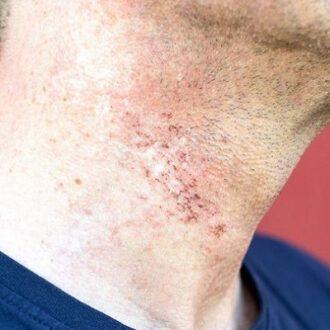
Eczema is a common inflammatory skin condition that can cause dryness, itching, redness, irritation, and recurring flare-ups. Although eczema is not usually contagious, its symptoms can affect comfort, sleep, confidence, and everyday activities. Dubai’s hot climate, humidity, air conditioning, sweating, and exposure to different environmental triggers may make skin irritation more noticeable for some people.
Understanding how eczema is diagnosed and treated can help you seek appropriate professional care rather than relying on Skin Disease Treatment in Dubai, treatment is generally based on the type and severity of eczema, the affected body areas, symptoms, skin sensitivity, and possible triggers.
What Is Eczema?
Eczema is a group of inflammatory skin conditions that can weaken the skin barrier and cause the skin to become dry and sensitive. Atopic dermatitis is one of the most common forms, but other types include contact dermatitis, seborrheic dermatitis, and nummular eczema.
Common eczema symptoms may include:
- Persistent or recurring itching
- Dry, flaky, or rough skin
- Red or inflamed patches
- Skin sensitivity
- Cracked or irritated skin
- Thickened skin from repeated scratching
- Small bumps or oozing areas during certain flare-ups
Symptoms can vary considerably between individuals, which is why professional assessment is important.
How Is Eczema Diagnosed in Dubai?
Eczema is usually diagnosed through a detailed skin examination and medical history. A qualified skin specialist will typically assess the appearance, location, and pattern of the affected areas.
1. Medical and Skin History
During the consultation, you may be asked about when the symptoms started, whether they come and go, possible triggers, previous skin problems, allergies, family history, skincare products, medications, and environmental exposure.
This information helps distinguish eczema from conditions that can produce similar symptoms.
2. Physical Skin Examination
The skin specialist examines the affected areas and looks for characteristic signs such as dryness, redness, scaling, inflammation, cracking, or thickening.
The location of the rash can also provide useful diagnostic information. For example, eczema may appear differently depending on age and the specific type of dermatitis.
3. Additional Testing When Necessary
Eczema can often be diagnosed clinically without extensive testing. However, additional tests may sometimes be recommended when the diagnosis is uncertain or when another condition needs to be ruled out.
Patch testing, for example, may be considered when allergic contact dermatitis is suspected. Other investigations may be appropriate depending on the symptoms and clinical findings.
What Are the Treatment Options for Eczema?
Eczema treatment focuses on controlling inflammation, relieving symptoms, protecting the skin barrier, and reducing future flare-ups. The appropriate approach depends on the individual's condition.
Moisturizers and Skin Barrier Care
Regular use of suitable moisturizers is an important part of eczema management. Emollients can help reduce dryness and support the skin barrier.
Patients are generally advised to use gentle, fragrance-free skincare products and avoid harsh soaps or unnecessary irritants.
Prescription Topical Treatments
Depending on the severity of inflammation, a healthcare professional may recommend topical medications. These can include corticosteroids or other prescription anti-inflammatory treatments.
The strength, application frequency, and treatment duration should be determined by a qualified professional because inappropriate or prolonged use of certain topical medications can cause unwanted effects.
Treatment for Moderate to Severe Eczema
People with more extensive or persistent eczema may require additional treatment. Depending on the diagnosis and individual circumstances, options can include phototherapy or systemic medicines, including newer targeted treatments.
These treatments require appropriate medical assessment and monitoring.
Can Eczema Be Prevented From Coming Back?
There is currently no guaranteed way to prevent every eczema flare-up, but identifying personal triggers can help reduce their frequency.
Potential triggers may include:
- Harsh skincare products
- Fragrances
- Excessive sweating
- Certain fabrics
- Stress
- Very hot or cold conditions
- Dust or environmental irritants
- Frequent hot showers
Keeping the skin moisturized and following an individualized skincare routine can also support long-term management.
When Should You See a Skin Specialist?
You should consider professional evaluation if itching or inflammation persists, symptoms repeatedly return, the affected area becomes painful, the skin develops signs of infection, or over-the-counter skincare products do not provide sufficient relief.
Early assessment can also help determine whether the condition is actually eczema or another skin disorder with similar symptoms.
Choosing a Skin Clinic in Dubai
Selecting an appropriate clinic is an important part of managing recurring skin concerns. Look for a clinic that provides professional assessment, individualized treatment planning, appropriate follow-up, and clear guidance about skincare and medication use.
Tajmeels clinic provides aesthetic and dermatological care in Dubai, where patients can discuss persistent skin concerns and receive an individualized approach based on their symptoms and skin needs. A professional consultation can help establish an appropriate treatment and maintenance plan rather than relying on generalized skincare advice.
Final Thoughts
Eczema diagnosis is primarily based on a detailed medical history and careful examination of the skin, with additional testing used when appropriate. Treatment aims to control inflammation, relieve itching, restore the skin barrier, and minimize future flare-ups.
Because eczema can vary significantly from one person to another, professional assessment is essential for choosing the right treatment. If you are experiencing persistent itching, dryness, redness, or recurring rashes, consulting a qualified skin specialist in Dubai can be an important first step toward better skin management.
More Information
Tajmeels Clinic Dubai
WhatsApp: +971 56 203 8751
Phone: tel:+971 43739000
Social Media:
- Managerial Effectiveness!
- Future and Predictions
- Motivatinal / Inspiring
- Fitness and Wellness
- Medical & Health
- Manufacturing
- Education
- Real-Estate
- Food Industry
- Hospitality
- Online Games
- Sports
- Home Services
- Civil Engineering
- Safety and Protection
- Software Products & Services
- Fashion and Jewellery
- Artificial Intelligence
- Entrepreneurship
- Mentoring & Guidance
- Marketing
- Networking
- HR & Recruiting
- Literature
- Shopping
- Career Management & Advancement