

 SkillClick
The Ultimate Guide To Optimizing Your Freight With Direct Carrier Solutions
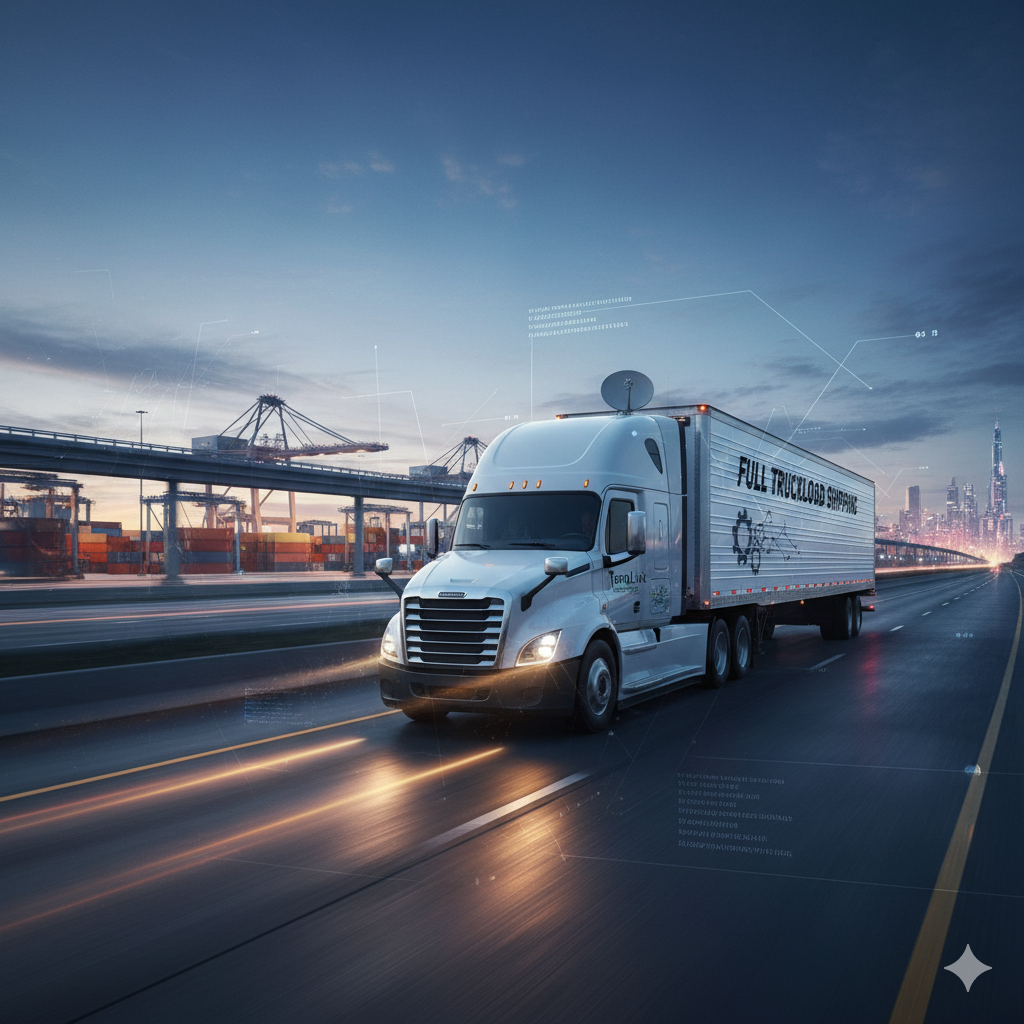
Is Your Shipping Strategy Costing You More Than It Should?
Every business that moves goods for a living eventually runs into the same wall. Freight costs climb, delivery windows slip, and the middlemen involved in getting a shipment from point A to point B start to feel like they are taking more than they are giving. If this sounds familiar, you are not alone. Shippers of every size, from small e-commerce brands to large manufacturers, are asking the same question: how do we move freight faster, cheaper, and with more control?
The answer, for a growing number of companies, lies in working directly with carriers instead of routing every shipment through layers of brokers. Direct carrier solutions cut out unnecessary steps, put shippers in closer contact with the people actually moving their freight, and open the door to smarter decisions about when to use full truckload shipping services and when less than truckload services make more sense.
This guide walks through what direct carrier solutions actually are, how they work, and how you can use them to build a freight strategy that saves money, improves reliability, and scales with your business. Whether you are shipping pallets once a week or managing a fleet of recurring lanes, there is something here for you.
What Are Direct Carrier Solutions, And Why Do They Matter?
At its core, a direct carrier solution means working with the trucking company that physically hauls your freight, rather than going through a third-party broker who arranges the shipment on your behalf. Brokers absolutely have a place in the industry, especially for shippers who need flexibility across unpredictable lanes or who lack the volume to negotiate directly. But for businesses with consistent shipping needs, cutting out that middle layer can unlock real advantages.
When you work directly with a carrier, you get a clearer line of communication. There is no game of telephone between you, a broker, and the driver. You know exactly who is responsible for your freight from pickup to delivery, and when something goes wrong, you are not waiting on a broker to relay information back and forth. This transparency alone can shave hours off problem resolution during a delay or damage claim.
Pricing is another major factor. Brokers typically add a margin on top of the carrier's rate to cover their own costs and profit. When you remove that layer, you are often paying closer to the actual cost of the move. Over the course of a year, especially for businesses shipping regularly, that difference adds up to meaningful savings.
Direct relationships also tend to produce better service consistency. Carriers who work with the same shippers repeatedly start to understand their specific needs, whether that is a particular dock schedule, special handling instructions, or a preference for certain equipment types. That familiarity translates into fewer mistakes and smoother pickups over time.
None of this means brokers are obsolete or that direct carrier relationships are right for every single shipment. The smartest shippers use a mix of both, leaning on direct relationships for predictable, high-volume lanes and using brokers to fill gaps or handle overflow. The key is understanding your own shipping patterns well enough to know where a direct relationship will actually pay off.
Choosing Between Full Truckload And Less Than Truckload: Getting The Fundamentals Right
One of the biggest decisions in any freight strategy is figuring out which shipping method fits a given load. This is where full truckload shipping services and less than truckload services come into play, and understanding the difference is essential to optimizing cost and speed.
Full truckload shipping services are exactly what they sound like. Your freight fills an entire trailer, either by volume or by weight, and the truck travels directly from origin to destination without stopping to pick up or drop off other shipments along the way. This method is ideal when you have enough product to justify a dedicated trailer, when your goods are fragile or high value and benefit from minimal handling, or when speed matters more than cost efficiency. Because there is no consolidation with other freight, transit times tend to be more predictable, and the risk of damage from repeated loading and unloading drops significantly.
Less than truckload services, often shortened to LTL, serve businesses that do not have enough freight to fill a full trailer but still need reliable, cost-effective transportation. With LTL, your shipment shares trailer space with freight from other businesses, and you pay only for the portion of the truck your goods occupy. This makes it a smart choice for smaller shipments, businesses shipping less frequently, or companies trying to keep costs down on lighter loads.
The trade-off with less than truckload services is that shipments typically move through one or more terminals where freight gets sorted and consolidated with other loads headed in a similar direction. This can extend transit times compared to a direct full truckload move, and it introduces more handling touchpoints, which slightly raises the risk of damage for delicate items. That said, for the right kind of freight, LTL remains one of the most efficient ways to control shipping spend without sacrificing reliability.
Many businesses end up using both methods depending on the situation. A company might use full truckload shipping services for large, recurring shipments between distribution centers while relying on less than truckload services for smaller orders going out to individual retail locations or customers. Building flexibility into your freight strategy, rather than committing to one method exclusively, tends to produce the best long-term results.
How Direct Carrier Solutions Improve Efficiency Across Your Supply Chain
Working directly with carriers does more than just reduce costs on individual shipments. It reshapes how efficiently your entire supply chain operates, and the benefits tend to compound over time.
Faster response times. When an issue comes up, whether it is a weather delay, a mechanical problem, or a scheduling conflict at the dock, having a direct line to the carrier means you get real-time updates instead of secondhand information. This speed matters enormously when you need to notify customers about a delay or adjust downstream logistics on short notice.
Stronger negotiating power over time. As your relationship with a carrier matures, you gain leverage to negotiate better rates, priority scheduling during peak seasons, and more favorable terms on things like detention fees. Carriers value predictable, recurring business, and they are often willing to reward loyal shippers accordingly.
Better visibility into capacity. Freight capacity fluctuates constantly based on the season, fuel prices, and broader economic conditions. Direct carrier relationships often give shippers earlier insight into capacity crunches, allowing them to plan around tight markets rather than scrambling for space at the last minute.
More consistent service quality. Drivers and dispatchers who repeatedly handle your freight become familiar with your specific requirements, whether that involves liftgate service, appointment scheduling, or particular packaging needs. This familiarity reduces errors and creates a smoother experience with every shipment.
Simplified accountability. When something goes wrong, there is no ambiguity about who is responsible. You are dealing directly with the party that physically handled your freight, which streamlines claims processes and makes it far easier to resolve disputes fairly.
To fully capture these benefits, it helps to treat your carrier relationships the way you would treat any other important business partnership. Communicate your shipping volume forecasts in advance when you can, be upfront about your expectations, and provide feedback when service is either excellent or falls short. Carriers who understand your business well are far better equipped to serve it effectively.
Building A Freight Strategy That Uses Direct Carrier Solutions Effectively
Knowing that direct carrier solutions exist is one thing. Building a strategy that actually uses them well is another. Here is a practical framework for putting the pieces together.
Start by analyzing your shipping data. Look at your volume by lane, your typical shipment sizes, and how often you ship to the same destinations. This analysis will tell you which lanes are strong candidates for a direct carrier relationship and which ones might be better served by a broker or a mix of both approaches. Lanes with consistent, high volume are usually the best starting point.
Next, identify carriers whose networks align with your needs. Not every carrier serves every region equally well, and some specialize in particular types of freight, whether that is refrigerated goods, oversized equipment, or standard dry van shipments. Look for carriers with a strong track record on the specific lanes you need covered, and do not hesitate to ask for references or performance data from other shippers.
Once you have identified potential partners, negotiate terms that reflect your actual shipping patterns. This includes not just the base rate, but details like fuel surcharge calculations, accessorial fees, and how detention time is handled. Being clear about your expectations upfront prevents misunderstandings down the road and sets the relationship up for long-term success.
Diversify your carrier base even as you build direct relationships. Relying on a single carrier, no matter how strong the relationship, creates risk if that carrier experiences capacity issues, equipment shortages, or service disruptions. A well-rounded strategy typically includes a small number of core carriers for your primary lanes, supplemented by secondary options for overflow or backup coverage.
Finally, monitor performance continuously. Track on-time delivery rates, damage incidents, and responsiveness, and use that data in ongoing conversations with your carriers. The strongest direct carrier relationships are built on mutual accountability, where both sides are working toward the same goal of moving freight efficiently and reliably.
As your business grows, revisit this strategy regularly. Shipping patterns shift, new lanes open up, and carrier capacity changes with the broader market. A freight strategy that worked perfectly last year may need adjustment today, and staying engaged with your data and your carrier partners is the best way to keep optimizing.
Bringing It All Together
Optimizing your freight strategy is not about chasing the cheapest rate on every single shipment. It is about understanding your shipping patterns, choosing the right method for each load, whether that means full truckload shipping services for large, time-sensitive freight or less than truckload services for smaller, cost-conscious shipments, and building direct relationships with carriers who can serve your business reliably over the long term.
Direct carrier solutions offer real, measurable advantages: lower costs by removing unnecessary middlemen, faster communication when issues arise, and service that improves as your relationship with a carrier deepens. Combined with a clear understanding of when to use full truckload versus less than truckload shipping, these relationships can transform your logistics operation from a constant source of stress into a genuine competitive advantage.
- Managerial Effectiveness!
- Future and Predictions
- Motivatinal / Inspiring
- Fitness and Wellness
- Medical & Health
- Manufacturing
- Education
- Real-Estate
- Food Industry
- Hospitality
- Online Games
- Sports
- Home Services
- Civil Engineering
- Safety and Protection
- Software Products & Services
- Fashion and Jewellery
- Artificial Intelligence
- Entrepreneurship
- Mentoring & Guidance
- Marketing
- Networking
- HR & Recruiting
- Literature
- Shopping
- Career Management & Advancement