

 SkillClick
What Really Determines the Strength of Ashwagandha Extract?
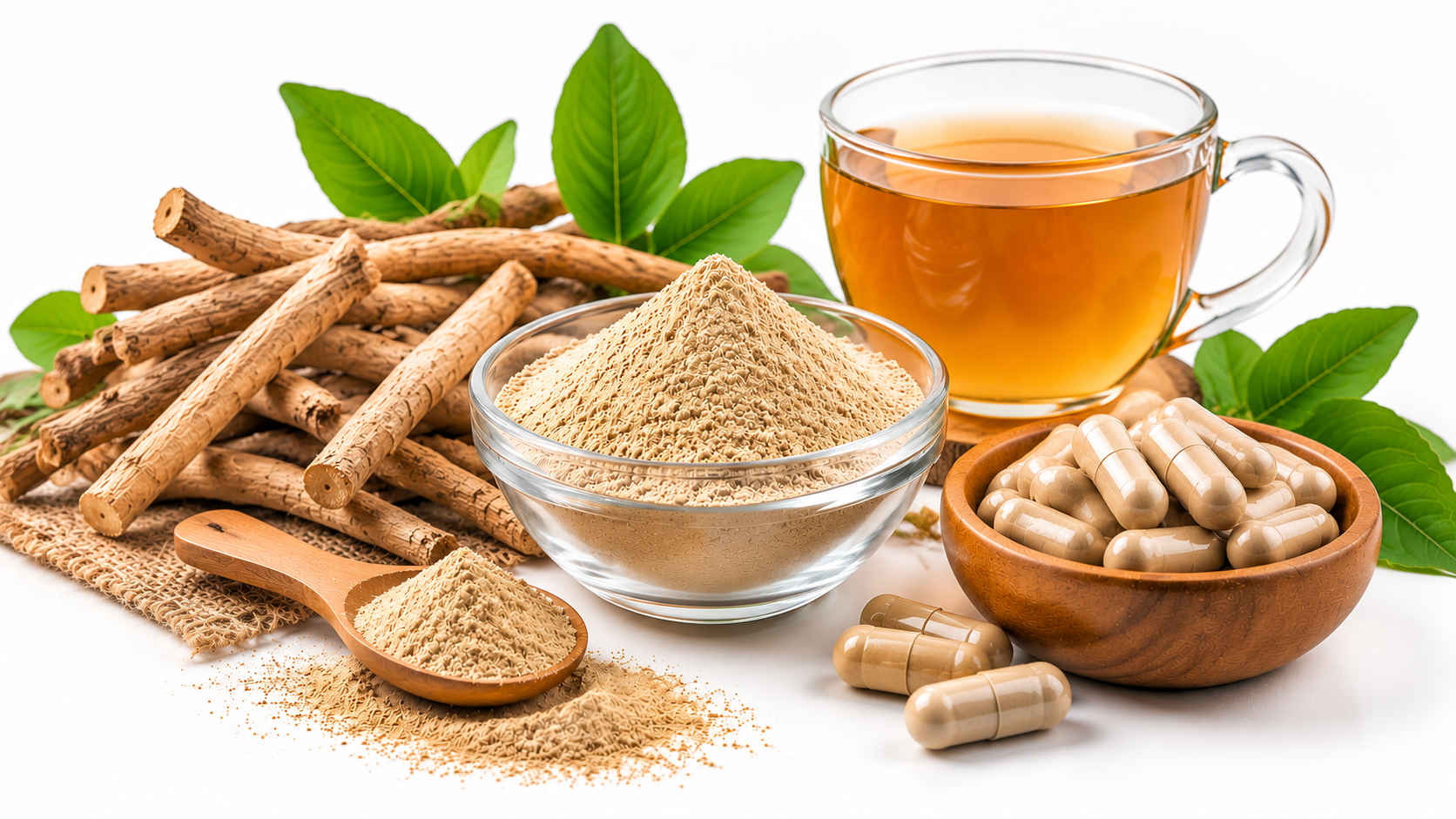
A buyer orders Ashwagandha Extract standardized to 5% withanolides from two different sources. One performs consistently in formulation. The other tests fine on paper but underperforms once it's in the finished product. Same number, different extract.
That gap is where most sourcing mistakes start. Buyers comparing Ashwagandha Extract Manufacturers anchor on withanolide percentage as the single deciding factor. It isn't. Root source, extraction method, and standardization approach all shape what that percentage represents — and none of that shows up in a one-line spec.
Here's what genuinely determines strength, and where buyers usually stop asking too early.
What Actually Shapes Ashwagandha Extract Potency
Root Versus Whole-Plant Source
The withanolide profile of Ashwagandha Extract can vary significantly depending on which part of the plant is used. Root material generally provides a more consistent composition than leaf or whole-plant material. However, some manufacturers may blend leaf material with the roots to reduce production costs, potentially changing the overall withanolide profile even when the extract still meets a stated percentage specification. For buyers, confirming the plant part used and testing the complete withanolide profile is therefore important when evaluating extract quality.
Plant Maturity at Harvest
Root maturity at the time of harvest affects withanolide concentration significantly. Younger roots typically yield less potent material than fully matured ones, and this variability exists before extraction ever begins.
Extraction and Standardization Method
Water, hydro-alcoholic, and full-spectrum extraction methods produce different withanolide profiles and different residual-compound levels. Standardization then adjusts the extract to a target withanolide percentage — often 1.5%, 2.5%, or 5%, depending on application — which is where the detail most buyers miss comes in: standardization can be achieved by blending batches, meaning the number on your certificate may not reflect a single consistent source batch.
Testing Method Matters
HPLC testing for withanolide content is the industry standard, but not every supplier tests to the same rigor or discloses their method. A percentage without a stated test method is a claim, not a verified specification.
5 Questions to Ask Before Trusting an Ashwagandha Extract Supplier
1. Is this root-only, or does it include leaf material? Good answer: a clear statement of plant part used, with documentation. Bad answer: "it's ashwagandha extract" without further detail — that's not an answer to the question asked.
2. What withanolide testing method do you use? HPLC with a stated method is verifiable. "We test for quality" without naming a method tells you nothing you can check.
3. Is your standardized percentage achieved through blending? A manufacturer who explains their blending approach understands their own process. One who avoids the question probably hasn't documented it.
4. Can you share Certificates of Analysis from two different production batches? Consistency across time matters more than one strong result. If the numbers drift noticeably, ask why before you commit to volume.
5. What's your policy if a batch tests below your stated specification? "We handle it case by case" isn't a policy — it's a conversation you'll have after the shipment has already landed, on their terms, not yours.
Why This Distinction Actually Protects Your Business
-
Fewer formulation failures, since verified root source and standardization method predict real-world performance better than a percentage alone.
-
Lower reorder risk, because a supplier who documents plant source and testing method is less likely to supply inconsistent batches.
-
Reduced dispute costs, since a stated test method gives you grounds to challenge a shipment that doesn't match its certificate.
-
Better formulation planning, since root-only extract behaves more predictably across batches than blended plant-part material.
-
Stronger supplier accountability, because asking about standardization method signals you won't accept a percentage without documentation behind it.
That accountability matters more on repeat orders. Suppliers negotiate differently with buyers who ask about process than with ones who only compare quoted percentages.
Sourcing From Delhi: A Practical Note
An Ashwagandha Extract Manufacturer based in Delhi is positioned closer to several major inland freight corridors than manufacturers in more remote processing regions, which matters for Ashwagandha Extract Exporters managing tight shipment documentation. For domestic Ashwagandha Extract Wholesalers and Ashwagandha Extract Dealers, that proximity also shortens the loop for requesting a re-test if a batch's withanolide content raises questions.
Who We Are
We're Durjaya Herbals, based in Rohini, Delhi. We're ISO-certified, and we've supplied Ashwagandha Extract and other herbal extracts since 2017. We work with wholesalers, procurement managers, and brand owners who want documentation behind the withanolide number, not just a quoted percentage.
Request Verified Documentation Before You Order
Share your required quantity, specification, and destination, and our team can confirm the applicable MOQ and response timeline. If you need our withanolide test method or root-sourcing details explained before committing to a trial order, ask — that's a conversation worth having upfront.
The Bottom Line on Extract Strength
Ashwagandha Extract strength isn't decided by a single percentage on a spec sheet. Root source, plant maturity, and standardization method all shape what that number actually represents — and understanding this is what separates buyers who evaluate Ashwagandha Extract Manufacturers properly from those who only compare quoted percentages. Ask about the process behind the number, and the next order gets easier to trust.
Frequently Asked Questions
Does a higher withanolide percentage always mean stronger ashwagandha extract?
Not necessarily. A higher percentage matters only when it's backed by a stated test method and consistent root sourcing. A high number without documentation is a claim, not a guarantee.
What's the difference between root-only and whole-plant ashwagandha extract?
Root-only extract generally offers a more consistent withanolide profile, while whole-plant or leaf-blended extract can vary more and cost less. Confirm which one you're actually being quoted before comparing prices.
How do ashwagandha extract suppliers verify withanolide content?
HPLC testing is the industry standard, though rigor and disclosure vary by supplier. Always ask which method was used rather than assuming all lab reports are equally reliable.
Can ashwagandha extract dealers provide consistent batches across repeat orders?
Some can maintain closer consistency than others, largely depending on root-sourcing discipline. We'd rather confirm this against your specific order than promise uniform results without reviewing the requirement.
Why do ashwagandha extract exporters sometimes quote different prices for the same percentage?
Price differences often reflect root versus leaf sourcing, extraction method, and testing depth — not just margin. A lower price on a matching percentage is worth questioning before ordering.
- Managerial Effectiveness!
- Future and Predictions
- Motivatinal / Inspiring
- Fitness and Wellness
- Medical & Health
- Manufacturing
- Education
- Real-Estate
- Food Industry
- Hospitality
- Online Games
- Sports
- Home Services
- Civil Engineering
- Safety and Protection
- Software Products & Services
- Fashion and Jewellery
- Artificial Intelligence
- Entrepreneurship
- Mentoring & Guidance
- Marketing
- Networking
- HR & Recruiting
- Literature
- Shopping
- Career Management & Advancement