

 SkillClick
Sign Works: Choosing the Right Commercial Signage Solutions for Your Business
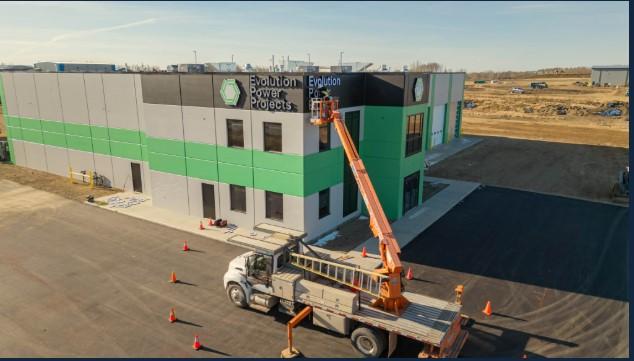
A business sign can influence how customers recognize and remember a company before they even enter the property. From storefront identification to directional displays, signage can serve both practical and branding purposes. Sign Works helps businesses explore signage options that can complement their locations, communicate important information, and create a consistent visual presence across commercial spaces.
Selecting the right commercial signage solutions starts with understanding what a business wants its signage to accomplish. Some companies need prominent exterior identification, while others may require wayfinding signs, promotional displays, interior branding, or a combination of different formats. Considering the property's layout, target audience, viewing distance, and brand identity can make the selection process more effective.
Identify the Purpose of Your Signage
Before choosing a particular sign, businesses should establish its primary purpose. A storefront sign may be designed to identify a company, whereas a directional display can help visitors locate entrances, offices, parking areas, or specific departments.
Some signs are created to communicate services or promotions, while others provide safety or operational information. Defining the purpose makes it easier to determine the appropriate size, design, placement, and materials.
A clear objective can also prevent businesses from overcrowding signs with unnecessary information.
Consider Your Business Location
The location of a business has a major influence on signage requirements. A company situated beside a busy roadway may need signage that can be recognized quickly by passing drivers. A business inside a commercial complex may require more directional information to help customers reach the correct entrance.
Nearby buildings, landscaping, traffic patterns, parking areas, and existing signs can all affect visibility. Businesses should evaluate their surroundings before finalizing the placement of exterior signage.
Understanding the viewing environment can help ensure that a sign is positioned where it has the best opportunity to communicate effectively.
Match Signage With Your Brand
Business signage should feel like a natural extension of the company's existing identity. Logos, colors, fonts, imagery, and other recognizable elements can be incorporated into signage to create visual consistency.
For example, if a company already uses specific colors across its website and marketing materials, using related elements on physical signs can strengthen recognition. Customers may find it easier to connect the physical location with the brand they have encountered elsewhere.
At this stage, commercial signage solutions can be selected according to both functional requirements and brand presentation rather than focusing only on appearance.
Think About Visibility and Readability
A sign needs to communicate its message clearly to its intended audience. Businesses should consider how far away customers will view the sign and how quickly they need to understand its message.
Large lettering may be useful for signs viewed from roads or parking areas, while smaller text can be appropriate for visitors standing close to an interior display. Contrast between lettering and background can also influence readability.
A clean layout with a clear visual hierarchy often makes information easier to process than a design containing too many competing elements.
Choose Materials Carefully
Different signage applications require different materials. Exterior signs may be exposed to rain, snow, wind, sunlight, and changing temperatures, while interior signs typically face different environmental conditions.
Businesses should consider where the sign will be installed and how frequently it will be exposed to physical contact or cleaning. Material selection should also take expected service life and maintenance requirements into account.
Choosing a suitable material can help businesses maintain the appearance and usefulness of their signs over time.
Consider Lighting Requirements
Some businesses need their signs to remain visible after sunset. In these situations, illuminated signage can provide continued visibility during evening hours.
Lighting can be incorporated into the sign itself or positioned to highlight specific elements. The property's surroundings and operating schedule should be considered when selecting an illumination approach.
Businesses should also consider whether lighting needs to coordinate with other exterior elements, such as architectural lighting or entrance illumination.
Explore Interior Signage
Signage does not stop at the front of a building. Interior signs can help visitors navigate the property while reinforcing the company's brand.
Reception signs, room identification, directional displays, wall graphics, and informational signs can all contribute to a more organized interior environment.
For larger properties, a consistent wayfinding system can make it easier for customers and visitors to understand where they need to go.
Consider Vehicle Branding
For companies that operate service vehicles, trucks, vans, or other commercial vehicles, vehicle graphics can complement stationary signage.
Using consistent logos, colors, and messaging across company vehicles can help create a unified brand presence. Vehicles can also provide visibility while employees travel between customer locations or work sites.
When vehicle graphics and building signage share common design elements, customers may more easily recognize the company across different environments.
Think About Digital Signage
Businesses with frequently changing information may benefit from digital displays. Digital signage can be useful for promotions, announcements, schedules, menus, and other content that changes regularly.
Digital displays are not appropriate for every business, so companies should consider viewing conditions, content requirements, installation space, and maintenance before selecting this option.
Traditional signage and digital displays can also work together when a business needs both permanent identification and regularly updated information.
Plan for Professional Installation
Even a well-designed sign needs proper installation. The mounting surface, sign dimensions, weight, position, and surrounding environment can all affect how the installation should be completed.
Professional installation can help businesses address practical considerations before the sign is mounted. It can also help ensure that the finished sign is aligned correctly and positioned according to its intended purpose.
Businesses should discuss installation requirements during the planning stage rather than treating installation as a separate issue.
Consider Future Maintenance
Signage should be viewed as a long-term business investment. Exterior displays may require periodic cleaning or inspection, while illuminated signs may eventually need component maintenance.
Businesses should consider how signs will be accessed if repairs or updates are necessary. It can also be useful to plan for future changes to contact information, branding, services, or operating hours.
A flexible signage strategy can make future updates more manageable.
Why Sign Works Can Help
Sign Works provides commercial signage and visual communication solutions for businesses with different branding and property requirements. Its services include commercial signage, vehicle graphics, lighting, wall graphics, safety signage, and outdoor signage.
Working with a professional signage provider can help businesses bring design, material selection, placement, and installation together as part of one coordinated project. This can be particularly useful for companies that need several types of signage across their property or fleet.
Final Thoughts
Choosing business signage should involve more than selecting an attractive design. Businesses need to consider purpose, location, visibility, branding, materials, lighting, installation, maintenance, and future requirements before making a decision. A well-planned signage strategy can help customers recognize a company, find its location, navigate the property, and connect with its brand. For businesses evaluating commercial signage solutions, Sign Works can provide professional signage options designed around practical business needs and a consistent visual identity.
- Managerial Effectiveness!
- Future and Predictions
- Motivatinal / Inspiring
- Fitness and Wellness
- Medical & Health
- Manufacturing
- Educación
- Real-Estate
- Food Industry
- Hospitality
- Online Games
- Sports
- Home Services
- Civil Engineering
- Safety and Protection
- Software Products & Services
- Fashion and Jewellery
- Artificial Intelligence
- Entrepreneurship
- Mentoring & Guidance
- Marketing
- Networking
- HR & Recruiting
- Literature
- Shopping
- Career Management & Advancement