

 SkillClick
Reefer Container Market Accelerators Transforming Cold Chain Logistics and Global Trade
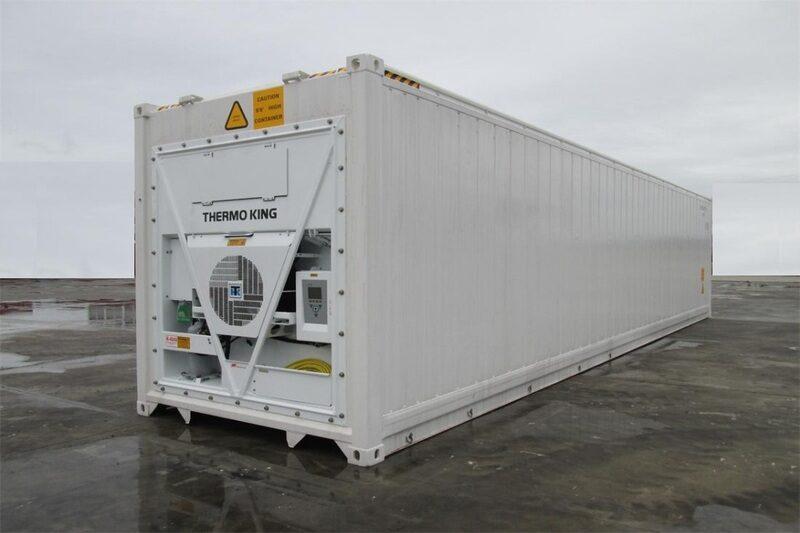
The global cold chain is becoming increasingly important as food, pharmaceuticals, biotechnology products, chemicals, and other temperature-sensitive goods move across longer and more complex supply networks. At the center of this infrastructure are reefer containers, specialized refrigerated shipping units designed to maintain controlled temperatures during transportation.
Several powerful forces are accelerating the adoption and technological development of reefer containers. Growing international trade in perishable products, expansion of pharmaceutical logistics, stricter quality requirements, improvements in refrigeration technology, and increasing demand for real-time shipment visibility are reshaping the industry.
These accelerators are not operating independently. Together, they are encouraging logistics companies, shipping operators, exporters, importers, and cold storage providers to invest in more efficient, reliable, and intelligent refrigerated transportation solutions.
Rising International Trade in Perishable Goods
One of the strongest accelerators for the reefer container industry is the expansion of global trade in temperature-sensitive commodities. Fresh fruits, vegetables, seafood, meat, dairy products, frozen foods, and processed food products increasingly travel between production regions and distant consumer markets.
As international food supply chains become more interconnected, maintaining product quality throughout transportation becomes essential. Reefer containers provide a practical solution because they can maintain specified temperature conditions for extended journeys.
The growing popularity of imported fresh produce in regions with limited agricultural availability is also supporting demand. Producers can access international markets while retailers can offer consumers a broader selection of seasonal products throughout the year.
Expansion of Pharmaceutical and Healthcare Logistics
Pharmaceutical transportation represents another significant growth accelerator. Many medicines, vaccines, biologics, blood products, and specialty therapies require tightly controlled temperature conditions.
The increasing complexity of pharmaceutical supply chains is creating demand for refrigerated transportation capable of maintaining product integrity from manufacturing facilities to distribution centers and healthcare providers.
Unlike some conventional refrigerated cargo, pharmaceutical shipments may require precise temperature ranges and continuous monitoring. This is encouraging the development of reefer containers with advanced sensors, alarms, data logging, and remote monitoring capabilities.
As pharmaceutical manufacturing becomes increasingly globalized, reliable temperature-controlled ocean transportation is becoming more strategically important.
Growth of Frozen and Processed Food Consumption
Changing consumer lifestyles are also contributing to reefer container demand. Urbanization, busy working schedules, expansion of modern retail, and growing preferences for convenient food products have increased consumption of frozen and processed foods.
Frozen meat, seafood, ready-to-eat meals, bakery products, desserts, frozen vegetables, and other temperature-sensitive products require dependable cold chain infrastructure.
Large food manufacturers increasingly distribute products across national and international markets. Reefer containers enable companies to move substantial volumes while maintaining controlled temperatures throughout maritime transportation.
The expansion of organized retail and supermarket networks further strengthens this demand because retailers require dependable product availability across geographically dispersed locations.
Development of Smart Reefer Technology
Technological innovation is one of the most important modern accelerators in the reefer container market. Traditional refrigeration systems are increasingly being enhanced with digital monitoring and connectivity technologies.
Smart reefer systems can collect information such as temperature, humidity, location, power status, and equipment condition. Connected platforms can provide logistics operators with near-real-time visibility into cargo conditions.
This capability can help companies identify temperature deviations before they result in significant product losses. It also improves operational decision-making by providing information about container performance during transportation.
The combination of Internet of Things technology, sensors, cloud platforms, and data analytics is therefore encouraging the transition from conventional refrigerated containers toward intelligent cold chain assets.
Demand for Greater Supply Chain Visibility
Supply chain visibility has become a major priority for cargo owners and logistics providers. Businesses increasingly want to know where shipments are located, whether temperature conditions remain stable, and whether unexpected delays could affect delivery.
Reefer containers equipped with monitoring technologies can contribute to this visibility. Data can be integrated into broader logistics management platforms, allowing companies to monitor refrigerated shipments alongside other supply chain activities.
Improved visibility also supports better inventory management. Companies can respond more quickly to delays, equipment problems, port congestion, and other disruptions.
As supply chains become more data-driven, connected reefer containers are likely to become increasingly valuable assets rather than simply refrigerated transport equipment.
Expansion of Emerging Markets
Economic development in emerging markets is creating additional opportunities for refrigerated transportation. Rising incomes, urban population growth, modern retail expansion, and changing dietary preferences are increasing demand for imported food and temperature-sensitive products.
Countries developing stronger agricultural export sectors are also investing in cold chain infrastructure to reduce post-harvest losses and access international buyers.
Ports, logistics companies, food processors, and exporters in developing economies are therefore placing greater emphasis on refrigerated transportation capabilities.
Improved reefer availability can help these markets connect producers with distant consumers while supporting the expansion of international food trade.
Focus on Reducing Food Loss
Food waste reduction has become an important economic and environmental objective. A substantial amount of perishable food can lose value when temperature conditions are not properly maintained during storage or transportation.
Reefer containers can help reduce losses by maintaining controlled conditions throughout long-distance movement. More reliable refrigeration systems and improved monitoring technologies further strengthen this role.
For exporters and food companies, preventing cargo deterioration can improve profitability while supporting more efficient resource utilization. This makes cold chain investment increasingly attractive from both commercial and sustainability perspectives.
Energy-Efficiency Improvements
Energy consumption is an important consideration for refrigerated transportation operators. Modern reefer technologies are increasingly designed to improve cooling efficiency while maintaining reliable temperature control.
More efficient compressors, improved insulation, optimized airflow systems, and advanced control technologies can help reduce energy requirements.
Energy efficiency is particularly important for shipping companies managing large reefer fleets. Even incremental improvements in energy consumption can produce meaningful operational benefits when applied across thousands of containers.
The focus on reducing operating costs while improving environmental performance is therefore accelerating investment in newer reefer technologies.
Increasing Cold Chain Infrastructure Investment
Investment across ports, warehouses, distribution centers, refrigerated trucks, and logistics facilities is strengthening the overall ecosystem supporting reefer containers.
A reefer container is most effective when connected to an integrated cold chain. Expansion of temperature-controlled warehouses and specialized distribution facilities makes it easier to move refrigerated cargo efficiently between different transportation modes.
Port operators are also improving reefer plug capacity and monitoring infrastructure to handle growing volumes of temperature-sensitive cargo.
This broader infrastructure development creates a favorable environment for reefer container adoption and fleet expansion.
Growth of Multimodal Transportation
Modern supply chains increasingly combine ocean, road, rail, and warehouse transportation. Reefer containers are well suited to multimodal logistics because they can remain with the cargo as it moves between transportation modes.
This reduces the need to repeatedly unload and transfer temperature-sensitive products between different containers.
The ability to maintain cargo conditions during multimodal transportation improves efficiency and can reduce handling risks. As companies seek integrated logistics solutions, reefer containers are becoming increasingly important in end-to-end cold chain strategies.
Stringent Quality and Safety Expectations
Consumers, regulators, retailers, and manufacturers are placing greater emphasis on food quality and product safety. Temperature fluctuations can affect product shelf life, quality, and safety, making temperature control an essential part of modern logistics.
Businesses therefore have stronger incentives to invest in dependable refrigerated transportation.
Documentation and monitoring capabilities can also help companies demonstrate that products were transported under appropriate conditions. This is particularly valuable for regulated pharmaceutical and food supply chains.
Conclusion
The reefer container market is being accelerated by a combination of trade expansion, pharmaceutical logistics, changing food consumption patterns, digitalization, infrastructure investment, sustainability priorities, and increasing demand for supply chain visibility.
Smart monitoring and energy-efficient refrigeration are transforming reefer containers from conventional refrigerated boxes into technologically advanced logistics assets. At the same time, expanding cold chain networks are opening new opportunities across emerging and established markets.
As global supply chains continue to prioritize reliability, product quality, efficiency, and resilience, these Accelerators are expected to remain central to the evolution of refrigerated transportation. Companies that combine advanced reefer technology with strong logistics management, real-time monitoring, and efficient cold chain infrastructure will be better positioned to meet the changing requirements of temperature-sensitive global trade.
- Managerial Effectiveness!
- Future and Predictions
- Motivatinal / Inspiring
- Fitness and Wellness
- Medical & Health
- Manufacturing
- Education
- Real-Estate
- Food Industry
- Hospitality
- Online Games
- Sports
- Home Services
- Civil Engineering
- Safety and Protection
- Software Products & Services
- Fashion and Jewellery
- Artificial Intelligence
- Entrepreneurship
- Mentoring & Guidance
- Marketing
- Networking
- HR & Recruiting
- Literature
- Shopping
- Career Management & Advancement