

 SkillClick
How to Value a Philadelphia Inherited House Accurately
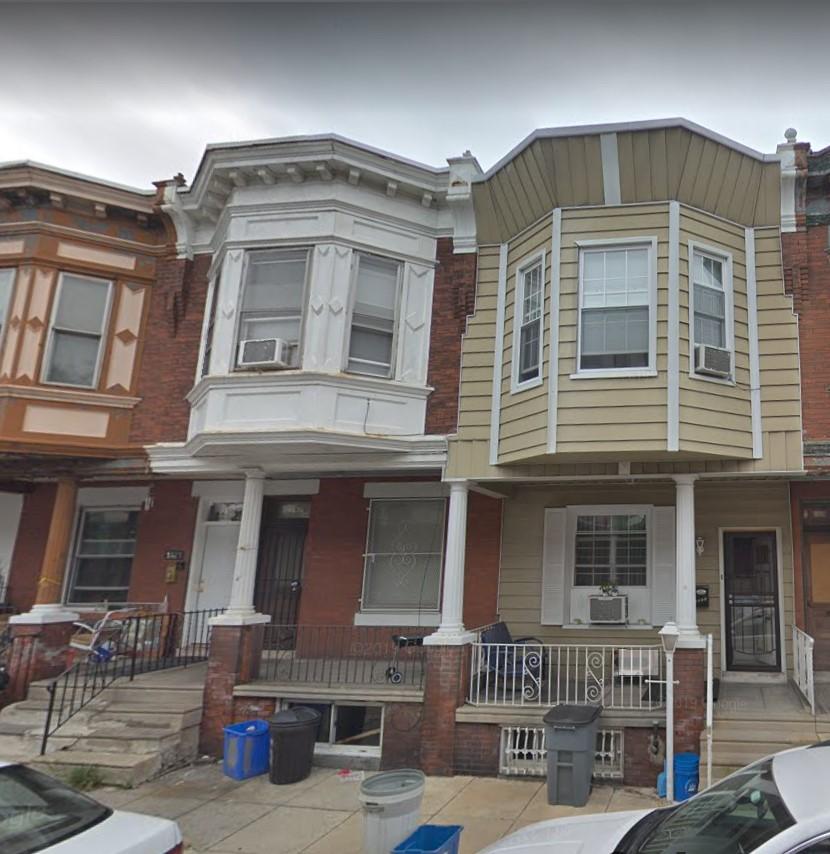
Inheriting a house in Philadelphia can be both meaningful and complicated. Along with the emotional side of the process, there is usually an immediate practical question: what is the property actually worth? Getting an accurate value matters for estate settlement, tax reporting, buying out heirs, deciding whether to keep the home, or preparing to sell. For families trying to move forward responsibly, it helps to understand how local market conditions, property condition, and legal factors all affect the final number.
If you are trying to figure out whether to keep, update, or Sell Inherited house in philadelphia, an accurate valuation is the first step. A realistic number can prevent costly mistakes, reduce conflict among heirs, and make the next decision much easier. In a city like Philadelphia, where neighborhood values can shift block by block, guessing is never a good strategy.
Key Points
- Philadelphia home values depend heavily on neighborhood, property condition, and recent comparable sales.
- Inherited homes often need extra review for liens, title issues, repairs, and deferred maintenance.
- Several valuation methods can be used, but a combination usually gives the most accurate result.
- Taxes, probate, and ownership transfer issues may affect both value and timing.
- A clear valuation helps heirs make informed decisions with less stress and confusion.
Why Accurate Valuation Matters
An inherited house is not just a piece of real estate. It may represent family history, financial responsibility, and legal obligations all at once. If the value is too high, heirs may overestimate their options or face unrealistic tax expectations. If the value is too low, they may undersell an asset that could have provided more benefit to the estate.
Accurate valuation is especially important when multiple heirs are involved. A fair number can help settle disagreements and guide decisions about whether one person should buy out the others, whether the property should be renovated, or whether a sale is the most practical route. It also helps with probate, insurance updates, and capital gains calculations later on.
Start With the Local Philadelphia Market
Neighborhood differences matter
Philadelphia real estate is highly local. A rowhome in Fishtown may have a very different value than a similar house in Northeast Philadelphia or West Philly. Even within the same neighborhood, the block, school district, parking access, and nearby amenities can change the price. That is why broad citywide averages are not enough.
To estimate value accurately, compare the inherited home to recent sales of properties that are similar in:
- Location
- Square footage
- Number of bedrooms and bathrooms
- Lot size
- Condition and updates
- Parking, basement, or outdoor space
Use recent comparable sales
Comparable sales, often called comps, are one of the most useful tools in valuation. Look for homes sold within the last three to six months if possible. Older sales may no longer reflect current demand. The best comps are close in distance and similar in style. In Philadelphia, that often means comparing another rowhome, twin, or townhouse in the same general area.
Evaluate the Property’s Condition Honestly
Condition has a major effect on value. An inherited house that has been lived in for decades may need updates that are not obvious at first glance. Roof problems, outdated electrical systems, plumbing issues, foundation concerns, and worn interiors can all reduce market value. Even cosmetic issues such as old carpeting, damaged drywall, or outdated kitchens and bathrooms can affect buyer interest.
It is important to separate emotional attachment from market reality. A house may feel well cared for because it holds family memories, but buyers will look at repair costs, livability, and future maintenance. A realistic assessment should include the cost of repairs needed to bring the property up to current market standards.
Consider a professional inspection
A home inspection can reveal problems that are not visible during a quick walkthrough. While an inspection is not a formal appraisal, it can help heirs understand what repairs may be needed and how those repairs might influence value. In some cases, the inspection report becomes a useful tool for deciding whether to invest in improvements or sell the property as-is.
Understand the Difference Between Appraisal and Market Estimate
Many people confuse a market estimate with a formal appraisal. They are related, but not the same. A market estimate, such as one from a real estate agent or online tool, gives a rough idea of what the property might sell for. A formal appraisal is a detailed assessment usually completed by a licensed appraiser, often for legal, tax, or mortgage purposes.
For an inherited house, a formal appraisal is often the most reliable option if the estate is being settled, especially when several heirs need a neutral figure. An appraiser will review the home, compare recent sales, and consider factors that may not appear in online estimates. Since online tools can miss local details, they should only be used as a starting point.
Check for Title, Probate, and Ownership Issues
Value is not only about the house itself. Legal issues can affect what the property is worth in practical terms. If the title is unclear, if there are unpaid liens, or if the home is still going through probate, those issues may limit what a buyer will pay or how quickly a sale can happen. Resolving these matters early gives a more accurate picture of the home’s real-world value.
In some inherited property situations, one heir may already be living in the home, or there may be disagreements about who controls the property. These circumstances can affect pricing, marketing, and the timeline for any future sale. A clear legal review helps avoid surprises later.
Factor in Repairs, Cleanout, and Holding Costs
When calculating value, it helps to think beyond the sale price. An inherited home may require cleanout, trash removal, repairs, utility payments, property taxes, insurance, and possibly mortgage payments. These costs can add up quickly, especially if the house sits unused for months.
A home that looks valuable on paper may yield less net value after expenses. For example, a property worth more in a fully renovated condition may actually be less attractive if it needs extensive updates that would be expensive to complete. Heirs should compare the cost of improvements against the likely increase in resale value before making any major decisions.
Use Multiple Valuation Methods
The most accurate estimate usually comes from combining several methods rather than relying on one source. A balanced approach may include:
- Recent comparable sales in the same Philadelphia area
- A licensed appraisal
- A real estate agent pricing opinion
- An inspection-based repair estimate
- Review of tax records and property history
When these sources point to a similar range, confidence in the value increases. If they vary widely, that may signal hidden problems, unusual property features, or changing market conditions that deserve a closer look.
Watch for Philadelphia-Specific Factors
Philadelphia has its own housing patterns that affect value. Older homes may have character but also outdated systems. Parking can significantly influence demand in dense neighborhoods. Proximity to public transportation, universities, hospitals, and commercial corridors may strengthen value. On the other hand, issues such as vacant neighboring properties, heavy traffic, or flood risk can lower buyer interest.
Seasonality also matters. Real estate activity often changes throughout the year, and pricing may be stronger when buyer demand is active. A valuation completed during a slower period may differ from one done in a stronger market cycle.
When to Get Professional Help
If the inherited property is simple and in good condition, a basic market review may be enough to guide next steps. But professional help becomes important when the house has major repairs, multiple heirs, legal complications, or uncertainty about the estate process. A real estate attorney, appraiser, or experienced local agent can help clarify the numbers and reduce risk.
Professional guidance is especially useful when the home must be divided among heirs or when the estate needs a documented value for tax or probate purposes. In those situations, accuracy is more important than speed.
Conclusion
Accurately valuing an inherited house in Philadelphia takes more than a quick online estimate. It requires a careful look at neighborhood trends, home condition, legal status, and repair costs. The goal is not to find the highest possible number, but the most realistic one. That kind of value helps families make fair decisions, avoid unnecessary disputes, and move forward with confidence.
Whether the best outcome is keeping the property, renovating it, or selling it, a well-supported valuation gives heirs a solid foundation. In a market as varied as Philadelphia, that preparation can make all the difference.
FAQ
How do I find out what an inherited house in Philadelphia is worth?
Start with recent comparable sales in the same neighborhood, then compare that information with a professional appraisal and a review of the home’s condition. This gives a more accurate range than relying on a single source.
Is an online home value estimate enough?
Usually not. Online tools can be helpful as a starting point, but they often miss local details, repairs, and legal issues that affect inherited property values.
Do repairs increase the value of an inherited home?
Yes, but not always dollar for dollar. Some repairs improve value significantly, while others may only help the home sell faster. It is smart to compare repair costs with the likely market return.
What if the inherited house has title or probate issues?
Those issues should be resolved or reviewed as early as possible. They can affect marketability, timing, and the final value of the property.
Should all heirs agree on the value?
Yes, if possible. A neutral appraisal or other documented valuation method can help all heirs work from the same information and reduce conflict.
- Managerial Effectiveness!
- Future and Predictions
- Motivatinal / Inspiring
- Fitness and Wellness
- Medical & Health
- Manufacturing
- Education
- Real-Estate
- Food Industry
- Hospitality
- Online Games
- Sports
- Home Services
- Civil Engineering
- Safety and Protection
- Software Products & Services
- Fashion and Jewellery
- Artificial Intelligence
- Entrepreneurship
- Mentoring & Guidance
- Marketing
- Networking
- HR & Recruiting
- Literature
- Shopping
- Career Management & Advancement