

 SkillClick
You Have CI/CD, So Why Are Software Releases Still Slow?
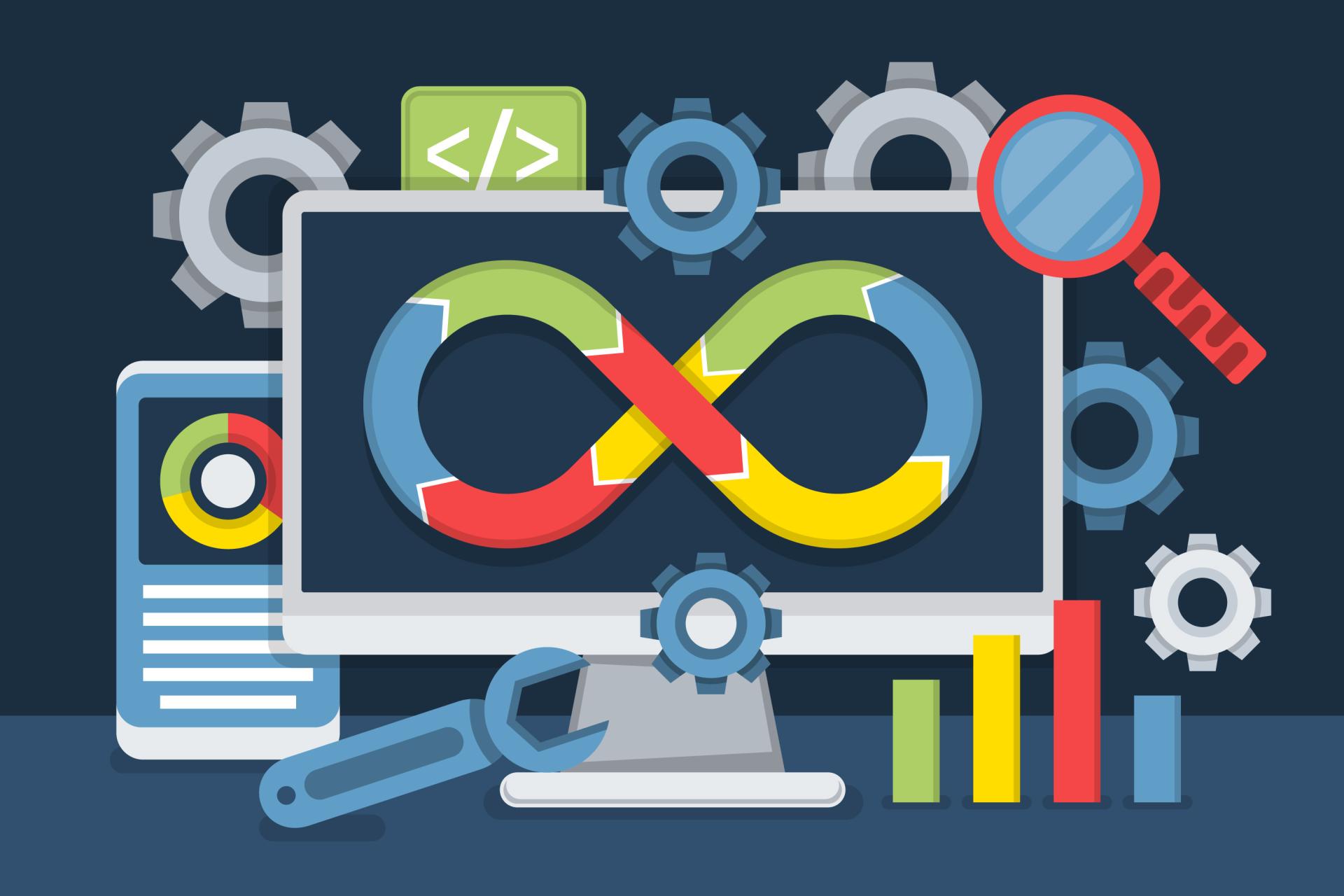
Investing in a Continuous Integration and Continuous Deployment (CI/CD) pipeline is a significant step toward accelerating software delivery. It promises automation, speed, and reliability. Yet, many organisations find that despite having a functional pipeline, their release cycles remain frustratingly slow. If this situation sounds familiar, it is because CI/CD is only one part of a much larger ecosystem. True velocity is achieved by looking beyond the pipeline and addressing the entire development lifecycle, a core principle of effective DevOps services.
Uncovering the Hidden Bottlenecks
If your organisation is experiencing slow releases, risky deployments, or increasing operational workloads, the underlying issue may extend beyond the CI/CD pipeline. A broader DevOps assessment can help identify where processes, infrastructure, and collaboration are creating delivery bottlenecks. For a practical starting point, see How to Know If Your Company Needs DevOps Services: A 10-Minute Assessment.
A CI/CD pipeline automates the build, test, and deployment stages, but it cannot fix underlying issues that exist outside of its direct scope. These persistent bottlenecks are often rooted in processes, culture, and technical debt.
Inefficient or Manual Testing Phases
Automation in the pipeline is only as fast as its slowest stage. If your testing strategy has not evolved alongside your automation efforts, it will inevitably become a major roadblock. Common issues include:
· Excessive Manual Testing: Relying on manual quality assurance (QA) for regression testing or release validation introduces significant delays and human error.
· Slow-Running Automated Tests: A bloated or inefficient automated test suite can take hours to run, nullifying the speed benefits of CI/CD.
· Flaky Tests: Tests that fail intermittently for no clear reason erode trust in the pipeline and force developers to spend time investigating false negatives instead of building new features.
Misaligned Teams and Processes
DevOps is as much about culture and collaboration as it is about tools. A CI/CD pipeline cannot force collaboration between siloed teams. When development, operations, and security teams have conflicting priorities or poor communication, manual handoffs and approval gates stall progress. Effective DevOps services and solutions focus on breaking down these silos, ensuring that everyone shares responsibility for the quality and speed of releases.
Technical Debt and Architectural Constraints
The state of your codebase and system architecture plays a crucial role in release speed. A monolithic application with complex dependencies is inherently more difficult and slower to build, test, and deploy than a modern microservices architecture. Over time, accumulated technical debt makes changes riskier and more time-consuming, acting as a constant drag on the pipeline.
Optimising the Entire Software Delivery Lifecycle
To truly accelerate software releases, organisations must adopt a holistic view. This involves optimising the processes and systems that feed into and surround the CI/CD pipeline.
Implementing Comprehensive Automation
Beyond the basic build and deploy script, high-performing teams integrate further automation to create robust quality gates. This requires a mature approach to DevOps development services that embeds quality checks throughout the process. Consider automating:
· Code quality scans
· Security vulnerability analysis
· Infrastructure provisioning with Infrastructure as Code (IaC)
· Performance and load testing
Embracing AI-Driven Insights
The future of efficient development involves leveraging intelligent tools. The strategic application of AI in DevOps and developer workflow can provide predictive insights, helping teams identify potential pipeline failures before they happen. It can also optimise test selection, running only the most relevant tests for a given change, thereby drastically reducing testing time.
Tailoring Approaches to Organisational Needs
The specific challenges and solutions can differ based on an organisation’s scale and market. For instance, DevOps services for startups may prioritise rapid iteration and flexibility to achieve product-market fit quickly. In contrast, a more established enterprise operating in a competitive market like the one for DevOps services in US will need to balance speed with security, compliance, and stability at scale. The key is to find a partner that understands these distinct environments, as the requirements for DevOps development services in USA can vary significantly from those in other regions. Strong DevOps services are not one-size-fits-all; they are tailored to specific business goals.
Conclusion
A CI/CD pipeline is a foundational element of modern software development, but it is not a cure-all for slow-release cycles. True agility comes from addressing the entire value stream, from initial code commit to final production deployment. By optimising testing strategies, breaking down team silos, managing technical debt, and embracing a culture of continuous improvement, your organisation can finally realise the speed and efficiency that CI/CD promises.
To better understand the specific bottlenecks hindering your release velocity and explore tailored strategies for improvement, see how OpenSpace Services can provide clarity and direction by visiting their website. Book a Call TODAY!
- Managerial Effectiveness!
- Future and Predictions
- Motivatinal / Inspiring
- Fitness and Wellness
- Medical & Health
- Manufacturing
- Education
- Real-Estate
- Food Industry
- Hospitality
- Online Games
- Sports
- Home Services
- Civil Engineering
- Safety and Protection
- Software Products & Services
- Fashion and Jewellery
- Artificial Intelligence
- Entrepreneurship
- Mentoring & Guidance
- Marketing
- Networking
- HR & Recruiting
- Literature
- Shopping
- Career Management & Advancement