

 SkillClick
How to Plan a Raffle Fundraiser: Complete Guide
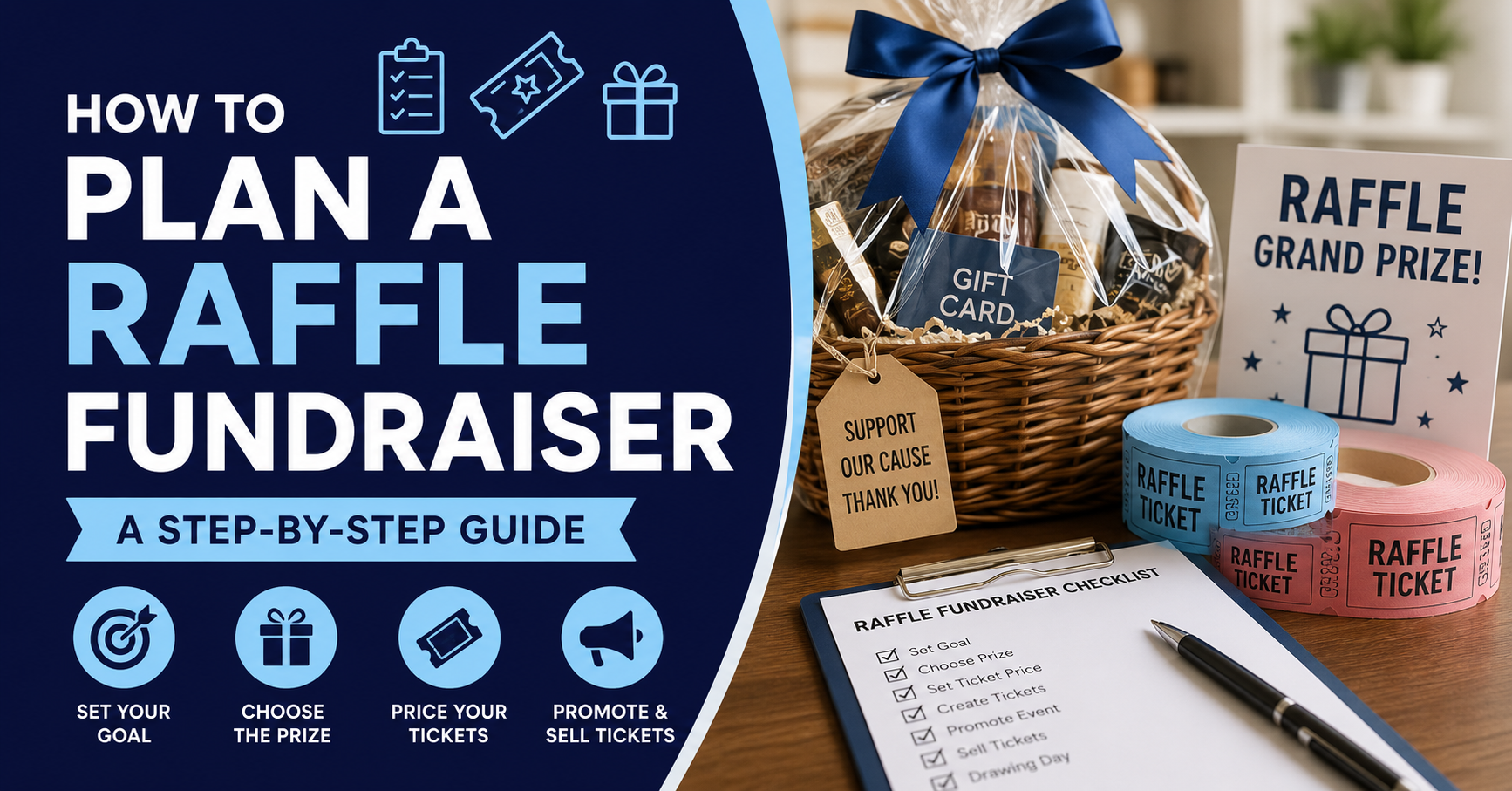
How to Plan a Raffle Fundraiser: A Step-by-Step Guide
Planning a raffle fundraiser can be a simple and effective way to raise money for a school, nonprofit, charity, church, sports team, community organization, or other eligible group. But a successful raffle requires more than choosing a prize and printing tickets.
You need a clear fundraising goal, an appealing prize, a practical ticket price, organized sales, effective promotion, and a process for conducting the drawing fairly.
This guide explains how to plan a raffle fundraiser from start to finish so you can build an organized campaign and create a better experience for both your team and participants.
1. Set a Clear Fundraising Goal
Before planning the details of your raffle, decide exactly what you want to accomplish.
For example, your organization may want to raise:
-
$2,000 for school supplies
-
$5,000 for a community project
-
$10,000 for a charity program
-
Money for a sports team's equipment or travel expenses
A specific goal makes it easier to determine how many tickets you need to sell and how much you should charge.
For example, if your goal is $5,000 and your estimated expenses are $1,000, your campaign needs to generate approximately $6,000 in ticket revenue to reach the target.
Having a defined objective also makes your marketing more compelling. Instead of simply asking people to purchase a ticket, explain what their participation will help fund.
2. Choose the Right Raffle Format
Not every fundraiser needs to use the same raffle format.
A traditional raffle allows participants to purchase numbered tickets for a chance to win one or more prizes. Other formats can include 50/50 raffles, themed basket raffles, calendar raffles, and prize-based drawings.
Your audience, fundraising goal, event size, and local requirements should influence your choice.
If you are considering a calendar-style fundraiser, our guide to the calendar raffle fundraising process explains how this format works and how organizations can structure the campaign.
For a traditional event, keep the rules straightforward. Participants should easily understand the ticket price, prizes, drawing date, and how winners will be selected.
3. Select an Appealing Raffle Prize
The prize is one of the biggest factors influencing whether people want to purchase tickets.
Think about what your particular audience values rather than automatically choosing the most expensive item available.
Popular possibilities include:
-
Gift cards
-
Electronics
-
Sports tickets
-
Vacation packages
-
Restaurant certificates
-
Themed gift baskets
-
Family entertainment packages
-
Cash prizes where permitted
-
Local experiences
You can also offer multiple prizes instead of putting your entire budget into one item.
Our guide to popular raffle items provides additional ideas for selecting prizes that can attract attention and encourage participation.
Consider Donated Prizes
Local businesses may be willing to donate products, services, gift certificates, or experiences in exchange for recognition at your event.
This can reduce your upfront costs and potentially leave more of your ticket revenue available for your fundraising purpose.
When approaching businesses, clearly explain your organization, the cause, the expected audience, and how you will recognize their contribution.
4. Determine Your Raffle Ticket Price
Your ticket price should be affordable for your target audience while giving you a realistic path toward your fundraising goal.
Consider:
-
Your fundraising target
-
Prize costs
-
Printing expenses
-
Expected number of participants
-
Event size
-
Audience demographics
-
Other campaign expenses
You can also offer ticket bundles to encourage people to purchase multiple entries.
For example:
-
1 ticket for $5
-
5 tickets for $20
-
15 tickets for $50
The exact pricing structure should depend on your audience and financial goals.
If you need help determining a suitable price, review our guide on how to price raffle tickets before finalizing your campaign.
5. Design Professional Raffle Tickets
Your raffle ticket is more than an entry into a drawing. It is also a communication tool for your fundraiser.
A well-designed ticket should make important information easy to find.
Depending on your event and applicable requirements, consider including:
-
Organization name
-
Fundraiser name
-
Ticket number
-
Ticket price
-
Prize information
-
Drawing date
-
Drawing time
-
Drawing location
-
Contact information
-
Participant name and contact details
-
Applicable rules or legal information
The ticket should be easy to read without being overloaded with graphics.
If you are creating tickets yourself, our guide on how to make raffle tickets explains the basic design, numbering, and printing process.
6. Make Ticket Numbers Easy to Track
Numbering is an important part of raffle organization.
Each ticket should have a unique number that allows your team to identify entries and verify winners.
If your tickets include detachable stubs, make sure the number on the participant portion matches the corresponding entry.
Keep accurate records of:
-
Ticket numbers distributed
-
Tickets sold
-
Tickets returned
-
Unsold tickets
-
Money collected
-
Salesperson or volunteer responsible for each batch
Good recordkeeping can make the final drawing much easier to manage.
7. Create a Raffle Fundraiser Checklist
A written checklist can prevent important details from being forgotten.
Your checklist might include:
Before Ticket Sales
-
Define your fundraising goal
-
Select the raffle format
-
Choose prizes
-
Confirm applicable legal requirements
-
Set the ticket price
-
Design tickets
-
Order or print tickets
-
Recruit volunteers
-
Prepare promotional materials
During Ticket Sales
-
Distribute tickets
-
Track ticket numbers
-
Record payments
-
Promote the fundraiser
-
Monitor progress toward your sales goal
-
Remind supporters about the drawing date
Before the Drawing
-
Reconcile ticket sales
-
Secure sold ticket stubs
-
Confirm the prize
-
Prepare the drawing location
-
Review the raffle rules
-
Assign people to oversee the drawing
After the Drawing
-
Select the winner according to the stated process
-
Document the result
-
Contact the winner
-
Deliver the prize
-
Announce the result when appropriate
-
Record the final fundraising results
8. Recruit a Reliable Fundraising Team
You do not have to manage every part of the raffle yourself.
Assign responsibilities to different volunteers or team members.
For example:
Raffle coordinator: Oversees the entire campaign.
Ticket coordinator: Handles ticket distribution and numbering.
Treasurer: Tracks money received and expenses.
Marketing team: Promotes the raffle through approved channels.
Event team: Handles the drawing and prize presentation.
Clear responsibilities reduce confusion and make it easier to identify problems before they become serious.
9. Promote Your Raffle Early
Even an excellent prize will not generate strong results if nobody knows about it.
Start promotion before the campaign begins and continue throughout the ticket-selling period.
Depending on your organization and applicable rules, promotion can include:
-
Email newsletters
-
Social media
-
School communications
-
Community bulletin boards
-
Fundraising events
-
Organization websites
-
Local business partnerships
-
Personal outreach from volunteers
Focus your messaging on three things:
What can participants win?
How much does a ticket cost?
What does the fundraiser support?
Clear messaging reduces questions and makes it easier for supporters to participate.
For more practical promotion strategies, see our guide on how to sell raffle tickets.
10. Create a Sense of Urgency
People are more likely to act when they know there is a deadline.
Include the ticket sales closing date and drawing date in your promotional materials.
You can also provide periodic updates such as:
“We are halfway to our fundraising goal.”
“Only one week remains to purchase tickets.”
“Ticket sales close Friday.”
Avoid misleading claims or artificial scarcity. Your messaging should accurately reflect the actual campaign.
11. Follow Applicable Raffle Laws
Raffle laws vary depending on where your organization operates.
Before selling tickets, research the requirements that apply to your organization and location. Rules may address eligibility, permits or registrations, ticket information, prize restrictions, advertising, drawing procedures, and the use of proceeds.
Do not assume that rules from one state apply everywhere.
If your organization is planning a raffle, legal compliance should be part of the planning process rather than something checked after ticket sales begin.
12. Organize a Fair Drawing
The drawing should be conducted according to the rules you communicated to participants.
Before the event:
-
Confirm eligible entries
-
Secure the ticket pool
-
Explain the drawing process
-
Have responsible people present
-
Prepare the prize
-
Document the winning ticket number
If the winner does not need to be present, explain how and when they will be contacted.
Consistency and transparency are important because participants should feel confident that every eligible entry had a fair opportunity.
13. Track Your Results
After the raffle is complete, calculate the actual results.
Track:
-
Total tickets sold
-
Gross ticket revenue
-
Prize expenses
-
Printing expenses
-
Marketing expenses
-
Other costs
-
Net funds raised
-
Number of participants
Compare your results with your original goal.
This information can help you determine what worked and what should change before your next fundraiser.
Common Raffle Planning Mistakes to Avoid
Even simple raffles can run into problems when organizers skip important preparation.
Choosing a Prize Without Knowing Your Audience
A prize that appeals to one group may not interest another. Consider your participants before making the final selection.
Setting the Ticket Price Too High
An expensive ticket can reduce participation. Look for a balance between affordability and your fundraising requirements.
Poor Ticket Organization
Missing numbers, duplicate numbers, or incomplete sales records can create unnecessary complications.
Starting Promotion Too Late
Give supporters enough time to understand the fundraiser and purchase tickets.
Ignoring Local Requirements
Always verify the rules that apply to your organization before conducting the raffle.
Failing to Explain the Cause
People are more likely to support a fundraiser when they understand how their participation helps.
How Raffles For Less Can Help
Once your raffle plan is ready, professional tickets can make the campaign easier to organize and present.
Raffles For Less provides custom raffle ticket options for organizations planning fundraising events. Professional tickets can help communicate important event details while giving your fundraiser a more organized appearance.
You can also review raffle ticket samples to explore different design approaches before creating your own ticket.
When you're ready to order, visit the Raffles For Less home page to explore available ticket options and resources.
Frequently Asked Questions
How do I plan a raffle fundraiser?
Start by defining your fundraising goal, choosing a raffle format, selecting an appealing prize, setting your ticket price, checking applicable laws, creating tickets, organizing volunteers, promoting the fundraiser, and preparing a transparent drawing process.
What makes a raffle fundraiser successful?
A successful raffle generally combines an appealing prize, accessible ticket pricing, organized ticket management, consistent promotion, clear communication, and proper planning.
How much should raffle tickets cost?
There is no single price that works for every fundraiser. Consider your fundraising goal, expected audience, prize value, expenses, and local market when setting your price.
What should be printed on a raffle ticket?
Depending on your raffle and applicable requirements, tickets may include the organization name, event information, ticket number, price, prize details, drawing date and location, contact information, and relevant rules.
Should I offer multiple raffle prizes?
Multiple prizes can give participants more opportunities to win and may make the fundraiser more appealing. The best structure depends on your audience, budget, and fundraising objectives.
Do I need to check raffle laws?
Yes. Raffle rules can vary by state and organization type. Always verify the requirements that apply to your specific fundraiser before selling tickets.
Final Thoughts
Learning how to plan a raffle fundraiser is largely about preparation.
Set a realistic fundraising goal, choose prizes your audience values, establish a practical ticket price, create organized tickets, recruit reliable volunteers, promote the campaign consistently, and follow applicable requirements.
Most importantly, make the purpose of the fundraiser clear. When participants understand both the opportunity to win and the cause they are supporting, your raffle can become more than a simple drawing. It can become an engaging fundraising campaign that brings your community together.
With thoughtful planning and professional raffle tickets, your organization can create a smoother experience for volunteers, participants, and winners while keeping the focus on your fundraising goal.
- Managerial Effectiveness!
- Future and Predictions
- Motivatinal / Inspiring
- Fitness and Wellness
- Medical & Health
- Manufacturing
- Education
- Real-Estate
- Food Industry
- Hospitality
- Online Games
- Sports
- Home Services
- Civil Engineering
- Safety and Protection
- Software Products & Services
- Fashion and Jewellery
- Artificial Intelligence
- Entrepreneurship
- Mentoring & Guidance
- Marketing
- Networking
- HR & Recruiting
- Literature
- Shopping
- Career Management & Advancement