

 SkillClick
Essential Tattoo Aftercare for Healthy-Looking Skin
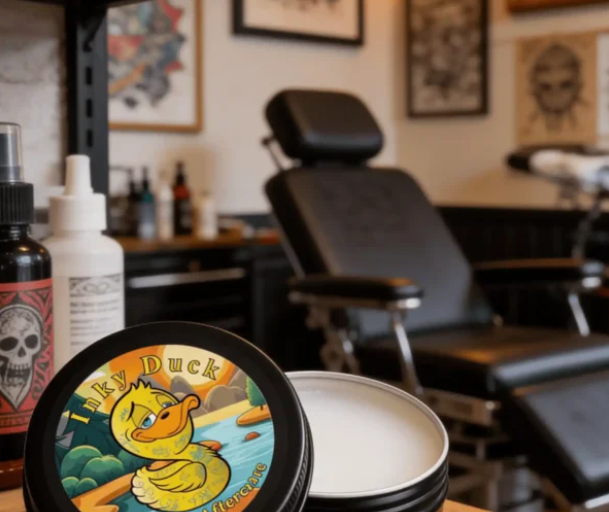
Getting a new tattoo is an exciting experience, but the work does not end when the artist finishes. Proper care afterward is an important part of helping the tattooed area heal and maintaining the appearance of the artwork. Understanding tattoo aftercare can help people establish practical routines during the healing period while avoiding unnecessary irritation.
A new tattoo is essentially an area of injured skin, so it needs appropriate protection, cleanliness, and moisture. Following the instructions provided by the tattoo artist should always be the first priority because aftercare recommendations can vary depending on the tattoo, placement, and products used during the procedure.
Why Tattoo Aftercare Matters
The healing process begins immediately after a tattoo is completed. The skin may appear red, sensitive, or slightly swollen, and these effects can gradually change as the area heals.
Good tattoo aftercare focuses on keeping the area clean, avoiding unnecessary friction, and protecting the skin from potential irritants. Picking at peeling skin or scratching an itchy tattoo can interfere with the healing process and may affect the final appearance.
People should also avoid exposing a fresh tattoo to activities that their artist recommends avoiding during healing. Following professional instructions carefully is generally more useful than experimenting with multiple products.
Keeping a Fresh Tattoo Clean
Cleanliness is an important part of caring for newly tattooed skin. Hands should be washed before touching the area, and the tattoo should be handled gently.
A tattoo artist may recommend a particular washing routine based on the covering used after the appointment. In general, harsh scrubbing should be avoided because newly tattooed skin can be sensitive.
After cleaning, the area should be treated according to the artist's instructions. Excessive washing or applying too many products may create additional irritation.
Moisturizing the Tattoo
As the tattoo heals, the skin may become dry, tight, or flaky. A suitable moisturizer can help keep the skin comfortable.
When choosing a tattoo aftercare cream, look for a product intended for use on healing skin and follow the manufacturer's directions. Applying a thick layer is not necessarily better. A small amount may be sufficient depending on the product.
People should also pay attention to how their skin responds. If a product causes significant irritation, burning, or an unusual reaction, it should be discontinued and professional advice should be considered.
Understanding Tattoo Aftercare Cream
A tattoo aftercare cream can be incorporated into a healing routine when recommended by the tattoo artist. Different products contain different ingredients, so customers should read labels carefully.
Some formulas focus on moisturizing ingredients, while others may contain botanical ingredients or other skin-conditioning components. The most appropriate option depends on individual skin characteristics and the specific instructions provided after the tattoo.
Avoid assuming that a product marketed for tattoos is automatically suitable for everyone. Checking ingredients and following usage instructions can help reduce unnecessary problems.
Protecting the Tattoo During Healing
Physical protection is another important part of tattoo aftercare. Clothing that constantly rubs against the tattoo can cause discomfort, particularly during the early healing period.
People should follow their artist's instructions about coverings and when they should be removed. Once the tattoo is exposed, unnecessary touching should be minimized.
Sun exposure is another consideration. Fresh tattoos should be protected according to professional aftercare guidance, and once healed, appropriate sun protection can help preserve the appearance of tattooed skin.
What About Tattoo Numbing Cream?
Many people wonder about pain management before or during tattooing. Tattoo numbing cream is a topical product designed to temporarily reduce sensation in the skin.
However, numbing products should not be selected or used casually. Different products contain different active ingredients and concentrations, and some may not be appropriate for every person or tattooing situation.
The tattoo artist should be consulted before using a numbing product. Artists may have specific policies regarding topical anesthetics and may want to know exactly what product has been applied before beginning the procedure.
Understanding Numbing Cream for Tattoos
Searching for numbing cream for tattoos can produce many products with different formulations and claims. Customers should avoid choosing a product solely because it promises complete or instant pain elimination.
It is important to read the product label, follow its directions, and understand any warnings or restrictions. Applying excessive amounts or leaving a topical product on longer than instructed is not a safe way to pursue stronger effects.
People with allergies, sensitive skin, or concerns about topical anesthetics should speak with an appropriate healthcare professional before using these products.
Choosing the Best Numbing Cream for Tattoos
There is no universally appropriate best numbing cream for tattoos because individual circumstances vary. Product ingredients, tattoo placement, skin sensitivity, application instructions, and artist preferences can all matter.
Instead of relying on marketing claims, consumers should evaluate the active ingredients, instructions, warnings, and intended use.
It is also worth remembering that numbing products do not replace proper tattooing technique or aftercare. They are intended to address sensation during the tattooing process, while aftercare focuses on supporting the skin afterward.
Is Painless Tattoo Numbing Cream Really Painless?
Products marketed as painless tattoo numbing cream may sound appealing, but consumers should be cautious about absolute claims. Tattooing involves needles repeatedly depositing ink into the skin, and individual pain experiences can vary significantly.
A numbing product may reduce sensation for some people, but it should not be assumed that the tattooing experience will become completely painless.
Anyone considering topical numbing should discuss the product with the tattoo artist beforehand and follow all application instructions carefully.
Avoiding Common Aftercare Mistakes
Several common habits can make the healing process more difficult. Picking or scratching a tattoo can damage irritated skin. Applying too many products can also cause unnecessary irritation.
Another mistake is changing aftercare routines repeatedly based on advice from social media. While online information can be useful for general education, individual tattoos can differ significantly.
The artist who performed the tattoo is often the best source for instructions specific to the procedure. If unexpected symptoms develop, professional medical advice may be appropriate.
When to Seek Professional Help
Some redness, tenderness, peeling, and mild irritation can occur during normal healing. However, people should pay attention to symptoms that appear unusual, severe, or progressively worse.
Signs such as significant swelling, intense pain, spreading redness, unusual discharge, or other concerning changes should not be ignored. A healthcare professional can evaluate symptoms and determine whether further treatment is necessary.
Final Thoughts
Effective tattoo aftercare is an important part of the tattooing experience. Keeping the area clean, following the artist's instructions, avoiding unnecessary irritation, and using appropriate moisturizing products can help support the healing process.
A suitable tattoo aftercare cream may help maintain comfortable, moisturized skin when used according to instructions. Meanwhile, anyone considering tattoo numbing cream or numbing cream for tattoos should discuss the product with their tattoo artist and carefully follow the label.
There is no single best numbing cream for tattoos for every person, and claims surrounding painless tattoo numbing cream should be viewed realistically. Careful product selection, responsible use, and professional guidance are more valuable than relying on exaggerated promises.
- Managerial Effectiveness!
- Future and Predictions
- Motivatinal / Inspiring
- Fitness and Wellness
- Medical & Health
- Manufacturing
- Education
- Real-Estate
- Food Industry
- Hospitality
- Online Games
- Sports
- Home Services
- Civil Engineering
- Safety and Protection
- Software Products & Services
- Fashion and Jewellery
- Artificial Intelligence
- Entrepreneurship
- Mentoring & Guidance
- Marketing
- Networking
- HR & Recruiting
- Literature
- Shopping
- Career Management & Advancement