

 SkillClick
How Long Do Scabies Symptoms Last After Iverheal 3 mg?
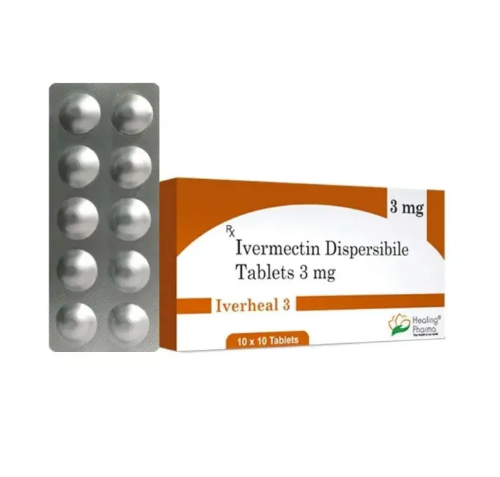
Itching from scabies can continue for several weeks after successful treatment, because the skin may remain irritated by the body's reaction to mites and their debris even after the mites have been eliminated.
Scabies itching can be frustrating because improvement is not always immediate after treatment. If a healthcare professional has prescribed oral ivermectin for scabies, such as an Ivermectin 3 mg tablets, the medicine works against the mites, but your skin may continue reacting after the infestation has been treated.
The important thing is to look at the overall pattern of symptoms, rather than judging treatment success only by whether you still feel itchy.
Why Does Itching Continue After Scabies Treatment?
Scabies causes itching because the immune system reacts to the mites, their eggs, and material left behind in the skin. That allergic or hypersensitivity reaction can remain even after the mites are gone.
This means you might notice itching for days or even several weeks after treatment. Persistent itching does not automatically mean that ivermectin has failed.
What Can Affect How Long Itching Lasts?
- Skin irritation: Scratching and the original rash can leave the skin sensitive while it heals.
- Immune response: Your body's reaction to mite material can continue after successful treatment.
- Severity of infestation: More extensive scabies may take longer for the skin to settle.
- Reinfection: Untreated household or close contacts can potentially pass scabies back to you.
- Treatment issues: Incorrect treatment or failure to complete the recommended regimen can allow infestation to continue.
When Should Itching Start Improving?
There is no exact day when itching should completely disappear. Scabies-related itching may continue for several weeks after treatment. However, ongoing itching together with new burrows or new pimple-like rashes can indicate that further evaluation is needed.
A gradual reduction in itching and no appearance of new lesions are generally more reassuring than itching that continues to become stronger.
Does Iverheal 3 mg Immediately Stop Scabies Itching?
No. Ivermectin is intended to treat the mite infestation; it is not simply an anti-itch medicine. Therefore, you should not expect the itching to disappear immediately after taking an ivermectin tablet.
Also, the 3 mg tablet strength alone does not determine the appropriate treatment dose. Oral ivermectin dosing for scabies is weight-based, and medical guidance may recommend a specific regimen when it is prescribed for classic scabies. Oral ivermectin is not FDA-approved specifically for scabies in the United States, although it may be used as a treatment option.
For this reason, don't decide how many tablets to take based only on the tablet strength or how severe the itching feels. Follow the regimen provided by your healthcare professional. You can also visit dosepharmacy to get more information about infection treatment.
What If Itching Continues for More Than Two Weeks?
Continued itching deserves attention if it is not gradually improving. Symptoms lasting beyond two weeks can have several explanations, including treatment failure, reinfection, or persistent allergic dermatitis.
Contact a healthcare professional if:
- New burrows appear: Fresh burrows can suggest continuing infestation.
- New pimple-like rashes develop: New lesions after treatment may require assessment.
- Itching becomes worse: Increasing symptoms rather than gradual improvement should be evaluated.
- Symptoms continue for 2–4 weeks: Further treatment or evaluation may be needed when itching remains in this timeframe or when new signs appear.
- Skin becomes infected: Repeated scratching can cause open sores that may become infected.
How Can You Reduce Irritation While Your Skin Heals?
While waiting for the skin to recover, try to avoid excessive scratching. Scratching can damage the skin and increase the risk of bacterial infection.
A healthcare professional may recommend appropriate treatments to control itching or inflammation depending on your symptoms. Keeping the skin comfortable and avoiding unnecessary irritants can also make the recovery period easier.
It is equally important to address possible exposure to scabies. Household members or close contacts may need evaluation and treatment when appropriate. Washing bedding, clothing, and towels as directed can also help. Items that cannot be washed can be sealed in a plastic bag for several days.
Can You Still Have Scabies If You Are Itchy After Treatment?
Yes, but itching alone does not prove that scabies is still present. Post-treatment itching is common because the body's inflammatory response can continue after the mites have been eliminated.
The appearance of new burrows or new pimple-like lesions, especially when accompanied by worsening symptoms, is more concerning for persistent infestation or reinfection.
Iverheal 3 mg and Scabies: What Should You Know?
Iverheal is a brand of ivermectin, but brand-specific products may not have the same regulatory status or approved indications in every country. In the United States, oral ivermectin products have specific approved indications, while ivermectin may be used for scabies under medical guidance.
If ivermectin has been prescribed for you, use the prescribed dose and schedule rather than changing the amount because itching has continued.
Key Takeaways
- Itching can continue after successful scabies treatment.
- Several weeks of residual itching can occur because of the body's reaction to mites and their remnants.
- Itching alone does not necessarily mean treatment failed.
- New burrows or new pimple-like rashes may indicate persistent infestation or reinfection.
- Follow-up is important if symptoms remain for 2–4 weeks or become worse.
- Do not adjust ivermectin dosing yourself based on the tablet strength or ongoing itching.
FAQs
1. How long does itching last after Iverheal 3 mg for scabies?
Itching can continue for several weeks after successful scabies treatment. The skin may remain sensitive because of the immune reaction to mites and their debris.
2. Does itching mean Iverheal 3 mg is not working?
Not necessarily. Persistent itching can occur even after the mites have been eliminated. However, new burrows or new pimple-like rashes should be evaluated by a healthcare professional.
3. When should I worry about itching after scabies treatment?
Seek medical advice if itching is worsening, new burrows or rashes appear, or symptoms remain around 2–4 weeks after treatment.
4. Can scabies come back after taking ivermectin?
Yes. Reinfection can occur, particularly when close contacts have not been evaluated or treated when necessary. Proper laundering of bedding, clothing, and towels also helps reduce the chance of ongoing exposure.
5. Is Iverheal 3 mg enough to treat scabies?
The appropriate ivermectin regimen is weight-based, so the number of 3 mg tablets needed cannot be determined simply from the tablet strength. The appropriate dosing and repeat treatment should be determined according to medical guidance.
Bottom line: Don't judge scabies treatment only by how quickly the itching disappears. Post-scabies itching can last for weeks, but worsening symptoms, new burrows, or new rashes should be checked by a healthcare professional.
- Managerial Effectiveness!
- Future and Predictions
- Motivatinal / Inspiring
- Fitness and Wellness
- Medical & Health
- Manufacturing
- Education
- Real-Estate
- Food Industry
- Hospitality
- Online Games
- Sports
- Home Services
- Civil Engineering
- Safety and Protection
- Software Products & Services
- Fashion and Jewellery
- Artificial Intelligence
- Entrepreneurship
- Mentoring & Guidance
- Marketing
- Networking
- HR & Recruiting
- Literature
- Shopping
- Career Management & Advancement