

 SkillClick
UAE Ethnic Wear Advances with Cultural Fashion Trends
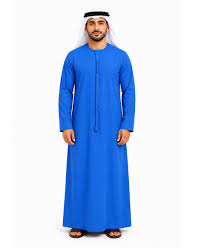
Ethnic wear represents traditional clothing styles that reflect cultural identity, heritage, craftsmanship, and regional fashion preferences. In the UAE, ethnic wear includes traditional garments such as abayas, kanduras, kaftans, sarees, salwar suits, and other culturally inspired apparel worn for religious occasions, festivals, weddings, celebrations, and formal gatherings. The sector continues evolving through modern designs, premium fabrics, digital retail expansion, and changing consumer preferences while maintaining strong connections with cultural traditions.
A recent study by MarkNtel Advisors highlights that the UAE ethnic wear sector was valued at USD 781 million in 2025. It is projected to grow from USD 804 million in 2026 to USD 903 million by 2032, registering a CAGR of 1.95% during 2026–2032. Expansion reflects continued demand for traditional apparel, cultural celebrations, premium fashion preferences, tourism activities, online shopping growth, and increasing interest in contemporary ethnic designs.
Cultural Events Support Ethnic Wear Demand
Cultural celebrations, weddings, religious occasions, and national events remain important factors influencing ethnic wear consumption in the UAE. Traditional clothing continues to hold significance among residents who value cultural expression and heritage-based fashion.
The UAE's diverse population also contributes to demand for various ethnic clothing styles. Consumers from different cultural backgrounds purchase traditional garments for festivals, family occasions, and special events, creating opportunities for brands offering a wide range of designs and collections.
Abayas and Traditional Garments Maintain Importance
Abayas and kanduras remain among the most recognized traditional garments in the UAE fashion landscape. These products continue evolving through modern cuts, premium materials, embroidery, customized designs, and luxury styling elements.
Fashion brands are introducing contemporary versions of traditional clothing by combining cultural aesthetics with modern fashion preferences. This approach allows ethnic wear to remain relevant among younger consumers while preserving traditional design elements.
Premium Fashion Trends Encourage Innovation
Consumers are increasingly interested in high-quality fabrics, detailed craftsmanship, customized designs, and premium ethnic wear collections. Luxury ethnic fashion is gaining attention among buyers seeking exclusive styles for weddings, formal occasions, and celebrations.
Designers and brands are experimenting with embroidery techniques, innovative fabrics, color combinations, and modern silhouettes to create products that combine traditional appeal with contemporary fashion trends.
E-Commerce Expands Ethnic Wear Accessibility
Digital platforms are transforming how consumers discover and purchase ethnic wear products. Online shopping provides access to a wider selection of brands, designs, price ranges, and customization options.
E-commerce platforms allow consumers to compare products, explore fashion collections, and purchase traditional clothing conveniently. The growth of digital retail is particularly beneficial for niche ethnic wear brands seeking to reach broader customer segments.
The United Nations Conference on Trade and Development (UNCTAD) highlights the growing role of e-commerce in changing consumer behavior and expanding digital market opportunities worldwide.
Tourism Supports Fashion Consumption
The UAE's strong tourism sector contributes to ethnic wear demand through cultural experiences, events, and international visitors interested in traditional fashion. Tourists often explore local clothing styles as part of cultural engagement and shopping experiences.
Luxury tourism and hospitality activities also support demand for premium fashion products, including traditional garments designed for special occasions and cultural events.
Social Media Influences Fashion Preferences
Social media platforms are increasingly shaping ethnic wear trends by allowing designers, influencers, and brands to showcase new collections and styling ideas. Consumers are exposed to global fashion trends while discovering traditional clothing interpretations.
Digital content featuring fashion inspiration, wedding styles, and cultural outfits is influencing purchasing decisions, particularly among younger consumers. Brands are using social media marketing to build awareness and connect with fashion-focused audiences.
Customization Creates New Opportunities
Personalized ethnic wear is becoming increasingly popular as consumers seek unique designs suited to individual preferences. Custom tailoring, embroidery choices, fabric selection, and personalized styling options are helping brands differentiate their offerings.
Customization is especially relevant for wedding and celebration wear, where consumers often prefer exclusive outfits designed around specific themes, occasions, and personal tastes.
Sustainable Fashion Gains Attention
Sustainability is becoming an important consideration within the apparel sector as consumers become more aware of environmental impacts associated with clothing production. Ethnic wear brands are exploring sustainable fabrics, responsible manufacturing practices, and improved supply-chain transparency.
The United Nations Environment Programme (UNEP) highlights the importance of sustainable consumption and production practices across industries, encouraging businesses to adopt more responsible approaches.
Retail Expansion Strengthens Brand Presence
Physical retail stores continue to play an important role in ethnic wear sales by allowing customers to experience fabrics, designs, and product quality before purchasing. Shopping malls, specialty fashion stores, and boutique outlets remain key distribution channels.
At the same time, brands are adopting omnichannel strategies by combining physical stores with online platforms. This approach provides consumers with greater flexibility while improving brand accessibility.
Challenges Influence Market Development
The UAE ethnic wear sector faces challenges related to changing fashion preferences, competition from international apparel brands, pricing pressures, and evolving consumer expectations. Brands need to continuously innovate while maintaining cultural authenticity.
Balancing traditional designs with modern fashion trends remains important for attracting younger consumers while preserving the heritage value of ethnic clothing.
Innovation Shapes Future Ethnic Wear Growth
The UAE ethnic wear sector is evolving through cultural celebrations, premium fashion trends, digital commerce expansion, customization, tourism growth, and changing consumer lifestyles. The projected increase from USD 804 million in 2026 to USD 903 million by 2032 reflects continued demand for traditional and contemporary ethnic fashion solutions.
Future development will remain connected with modern designs, luxury collections, online retail growth, sustainable practices, and personalized fashion experiences. As cultural identity continues influencing fashion choices, ethnic wear will remain an important part of the UAE's diverse apparel landscape.
- Managerial Effectiveness!
- Future and Predictions
- Motivatinal / Inspiring
- Fitness and Wellness
- Medical & Health
- Manufacturing
- Education
- Real-Estate
- Food Industry
- Hospitality
- Online Games
- Sports
- Home Services
- Civil Engineering
- Safety and Protection
- Software Products & Services
- Fashion and Jewellery
- Artificial Intelligence
- Entrepreneurship
- Mentoring & Guidance
- Marketing
- Networking
- HR & Recruiting
- Literature
- Shopping
- Career Management & Advancement