

 SkillClick
GCC HVAC Cleaning Chemicals Expand with Rising Cooling Demand
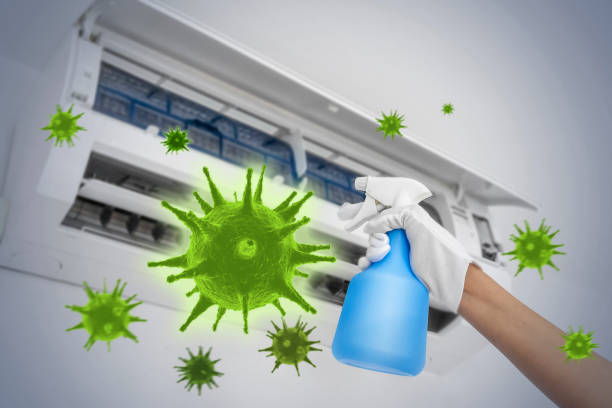
HVAC systems are becoming increasingly important across the GCC as high temperatures, urban development, commercial construction, and growing cooling requirements increase dependence on air-conditioning infrastructure. Maintaining these systems is essential for supporting airflow, indoor comfort, equipment performance, and operational reliability across residential, commercial, hospitality, healthcare, and industrial buildings.
A recent study by MarkNtel Advisors states that the GCC HVAC cleaning chemicals industry was valued at USD 88 million in 2025 and is projected to grow from USD 92 million in 2026 to USD 112 million by 2032, registering a CAGR of 3.33% during 2026–2032. Its development is being influenced by rising cooling requirements, expanding building infrastructure, HVAC maintenance needs, energy-efficiency considerations, and increasing attention to indoor environmental conditions.
Rising Cooling Demand Supports Maintenance Needs
The GCC experiences prolonged periods of high temperatures, making air conditioning a fundamental component of residential and commercial infrastructure. As cooling systems operate for extended periods, dust, dirt, microbial contamination, and other deposits can accumulate within HVAC components.
Regular cleaning can help maintain system performance and airflow while supporting efficient operation. The International Energy Agency identifies cooling as a major contributor to electricity demand across the Middle East and notes that improving cooling efficiency can help manage rising electricity requirements. Its analysis of electricity demand in the Middle East and North Africa highlights the growing importance of cooling efficiency across the region.
Commercial Buildings Create Consistent Demand
Commercial properties represent an important application area for HVAC cleaning chemicals because offices, shopping centers, hotels, restaurants, hospitals, and other facilities rely heavily on centralized cooling systems.
Large buildings often contain extensive ductwork, air-handling units, cooling coils, filters, and ventilation components. Regular maintenance across these systems requires specialized cleaning products and professional services, creating recurring demand for HVAC cleaning chemicals.
Construction Activity Expands the Installed Base
Continued construction across GCC countries is adding residential, commercial, hospitality, healthcare, retail, and infrastructure facilities that require HVAC systems. New buildings therefore contribute to the expansion of the installed base of cooling equipment that will eventually require maintenance and cleaning.
Large-scale urban development and new commercial facilities can also increase the complexity of HVAC infrastructure. As systems become larger and more integrated, maintenance requirements can extend across multiple components and building zones.
HVAC Efficiency Becomes a Greater Consideration
Energy efficiency is becoming increasingly important as cooling represents a substantial component of electricity demand in hot climates. Dirty coils, blocked filters, and restricted airflow can affect HVAC performance and increase the effort required to maintain desired indoor temperatures.
The IEA notes that improving air-conditioner efficiency is an important measure for managing electricity demand in emerging economies, particularly where cooling needs are high. Its Energy Efficiency 2025 analysis highlights efficient cooling technologies, building design, and equipment performance as important areas for reducing energy demand.
Coil Cleaners Support Routine Maintenance
Coil cleaning is an important part of HVAC maintenance because dust and deposits can accumulate on evaporator and condenser coils. Specialized chemical cleaners can help remove accumulated contaminants and support effective heat transfer.
The demand for coil-cleaning products is therefore linked to the maintenance schedules of air-conditioning systems. In commercial and industrial environments, regular servicing can be particularly important because HVAC equipment may operate for long periods and serve large occupied spaces.
Indoor Air Quality Gains Attention
Indoor air quality is another consideration supporting HVAC maintenance. Dust, particles, moisture, and biological contaminants can accumulate in poorly maintained ventilation and air-conditioning systems.
Regular cleaning of HVAC components can contribute to cleaner airflow pathways and support broader indoor environmental management. This is particularly relevant in buildings where occupants spend extended periods indoors, including offices, schools, healthcare facilities, hotels, and shopping centers.
Hospitality Sector Adds Maintenance Requirements
The GCC hospitality sector provides another source of demand because hotels, resorts, restaurants, and entertainment facilities depend heavily on reliable air conditioning. Maintaining comfortable indoor environments is particularly important in hospitality properties operating throughout the year.
Large hotels can have extensive HVAC infrastructure covering guest rooms, restaurants, meeting spaces, kitchens, lobbies, and recreational facilities. This creates recurring requirements for cleaning, inspection, and maintenance across different HVAC components.
Specialized Formulations Support Product Differentiation
HVAC cleaning chemicals are available in different formulations designed for specific applications. Products can be developed for coils, ducts, evaporators, condensers, filters, and other components, allowing maintenance providers to select products according to the type of contamination and equipment involved.
Product performance, compatibility with HVAC materials, ease of application, and safety considerations can influence purchasing decisions. Manufacturers therefore have opportunities to differentiate products through formulation improvements and application-specific solutions.
Professional Maintenance Strengthens Demand
Professional HVAC maintenance companies play an important role in the adoption of cleaning chemicals. Commercial and industrial customers often rely on specialized service providers to inspect, clean, and maintain complex systems.
As building owners place greater emphasis on equipment performance and preventive maintenance, professional servicing can create recurring demand for cleaning chemicals. Service providers may also require different formulations depending on the HVAC equipment, building type, and maintenance schedule.
Sustainability Influences Product Development
Environmental considerations are becoming increasingly relevant to chemical products used in building maintenance. Manufacturers are exploring formulations that can provide effective cleaning while addressing concerns related to harsh chemicals, residues, packaging, and handling.
Water-based formulations, biodegradable ingredients, lower-odor products, and safer application practices can become areas of product development as customers and regulators place greater emphasis on environmental and workplace considerations.
HVAC Cleaning Remains Linked to Cooling Infrastructure
The GCC HVAC cleaning chemicals industry is developing alongside rising cooling requirements, expanding building infrastructure, commercial development, indoor environmental considerations, and greater attention to HVAC efficiency. Growth from USD 92 million in 2026 to USD 112 million by 2032 indicates continued demand for specialized cleaning solutions.
Future development is likely to remain connected with preventive maintenance, coil and duct cleaning, professional HVAC services, energy-efficiency considerations, indoor air quality, and formulation innovation. As cooling infrastructure continues to support everyday life and commercial activity across the GCC, HVAC cleaning chemicals are expected to remain an important part of building maintenance practices.
- Managerial Effectiveness!
- Future and Predictions
- Motivatinal / Inspiring
- Fitness and Wellness
- Medical & Health
- Manufacturing
- Education
- Real-Estate
- Food Industry
- Hospitality
- Online Games
- Sports
- Home Services
- Civil Engineering
- Safety and Protection
- Software Products & Services
- Fashion and Jewellery
- Artificial Intelligence
- Entrepreneurship
- Mentoring & Guidance
- Marketing
- Networking
- HR & Recruiting
- Literature
- Shopping
- Career Management & Advancement