

 SkillClick
Luxury Chocolate Trends You’ll Learn in Chocolate Making for Beginners Courses
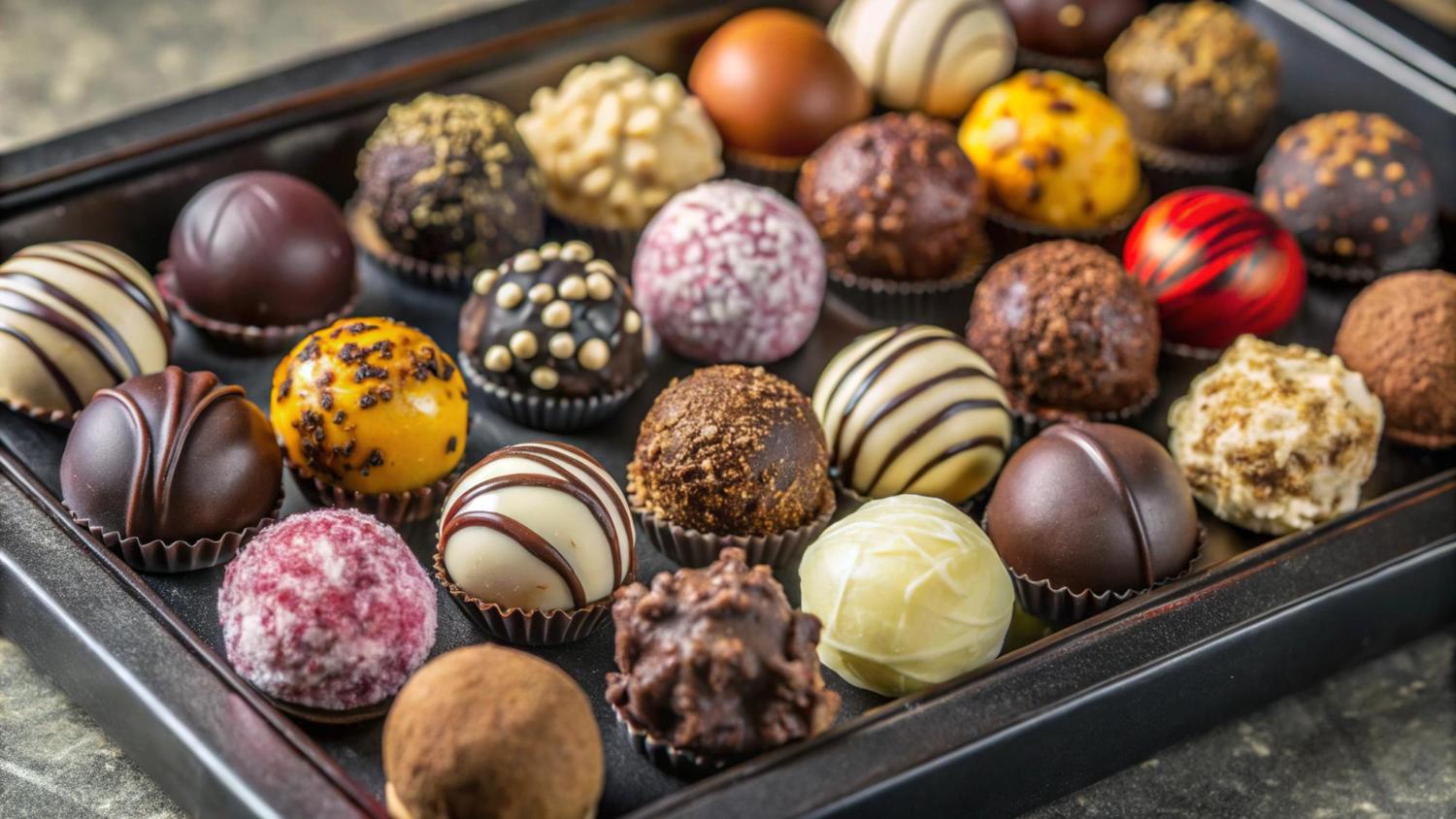
The world of premium confectionery is evolving rapidly, with luxury chocolate leading the way in innovation, craftsmanship, and consumer experience. Today’s discerning customers are not just looking for sweetness—they seek artistry, origin, texture, and story in every bite. This shift has influenced how aspiring chocolatiers are trained, especially in entry-level programs. Modern Chocolate Making for Beginners courses are no longer limited to basic recipes; they introduce students to global luxury trends that define the high-end chocolate market.
One of the most prominent trends is the emphasis on single-origin chocolate. Much like fine wine or specialty coffee, luxury chocolate celebrates the unique characteristics of cacao grown in specific regions. Beginners are taught how beans from Madagascar differ from those in Ecuador or Ghana in flavor, aroma, and acidity. This understanding helps learners appreciate chocolate as a complex ingredient rather than a uniform product. It also lays the foundation for storytelling—an essential aspect of premium branding.
Another major trend is bean-to-bar craftsmanship. Instead of relying on pre-made couverture, many luxury chocolatiers control the entire process—from sourcing raw cacao beans to producing the final chocolate bar. While full bean-to-bar production can be advanced, introductory courses often provide exposure to the concept, helping students understand roasting, grinding, refining, and conching. This knowledge allows beginners to grasp what sets artisanal chocolate apart from mass-produced alternatives.
Flavor innovation is also at the heart of luxury chocolate. Gone are the days when chocolate was limited to plain milk, dark, or white. Today, high-end creations feature unexpected combinations like chili and mango, lavender and honey, or sea salt and caramel. In structured sessions designed to learn chocolate making, students are encouraged to experiment with ingredients, textures, and infusions. This creative approach helps them think beyond traditional boundaries and develop unique flavor profiles.
Texture plays an equally important role in premium chocolate experiences. Luxury brands focus on mouthfeel—whether it’s the smooth snap of a perfectly tempered bar, the crunch of inclusions, or the silkiness of ganache. Beginners are introduced to these textural elements through hands-on practice. Techniques like layering, molding, and filling are taught to ensure that each product delivers both visual appeal and sensory satisfaction.
Presentation and aesthetics are another defining feature of luxury chocolate. High-end products are often designed to look as good as they taste, with intricate molds, vibrant colors, and artistic finishes. Beginners learn how to work with colored cocoa butter, transfer sheets, and decorative techniques to elevate their creations. Packaging is also discussed, as it plays a crucial role in positioning chocolate as a premium product.
Sustainability and ethical sourcing have become essential in the luxury segment. Consumers increasingly want to know where their chocolate comes from and whether it is produced responsibly. Beginner courses often include discussions on fair trade practices, direct sourcing, and environmentally friendly production methods. This awareness helps aspiring chocolatiers align their work with modern consumer values.
Health-conscious indulgence is another emerging trend. While chocolate is traditionally seen as a treat, luxury brands are now exploring options with reduced sugar, alternative sweeteners, and higher cacao content. Dark chocolate with 70% or more cacao is particularly popular for its perceived health benefits. Beginners are introduced to these variations, learning how to balance taste and nutrition without compromising quality.
A critical technical skill that underpins all luxury chocolate work is chocolate tempering. Proper tempering ensures that chocolate has a glossy finish, firm texture, and satisfying snap. It also prevents issues like blooming, which can affect both appearance and shelf life. In beginner courses, students practice tempering using different methods, gaining confidence in handling chocolate professionally. This skill is essential for anyone aiming to create high-quality products.
Customization and personalization are also shaping the luxury chocolate market. From monogrammed pralines to bespoke gift boxes, consumers are looking for unique, tailored experiences. Beginners are taught how to design chocolates for specific occasions, such as weddings, corporate events, or festive celebrations. This trend highlights the importance of creativity and customer-centric thinking in modern chocolate making.
Finally, experiential learning itself is becoming a trend. Many courses now focus on immersive, hands-on training rather than passive instruction. Students not only follow recipes but also understand the science behind each step. This approach ensures that they can adapt techniques, troubleshoot problems, and innovate independently.
In conclusion, luxury chocolate is no longer just about taste—it is about craftsmanship, creativity, and conscious production. Beginner courses reflect this evolution by incorporating global trends into their curriculum. From single-origin sourcing and bean-to-bar techniques to flavor innovation and artistic presentation, these programs equip aspiring chocolatiers with the skills and insights needed to succeed in a competitive market. For anyone passionate about chocolate, understanding these trends is the first step toward creating products that are not only delicious but truly exceptional.
- Managerial Effectiveness!
- Future and Predictions
- Motivatinal / Inspiring
- Fitness and Wellness
- Medical & Health
- Manufacturing
- Education
- Real-Estate
- Food Industry
- Hospitality
- Online Games
- Sports
- Home Services
- Civil Engineering
- Safety and Protection
- Software Products & Services
- Fashion and Jewellery
- Artificial Intelligence
- Entrepreneurship
- Mentoring & Guidance
- Marketing
- Networking
- HR & Recruiting
- Literature
- Shopping
- Career Management & Advancement