

 SkillClick
What Stain Types Require Different Cleaning Techniques
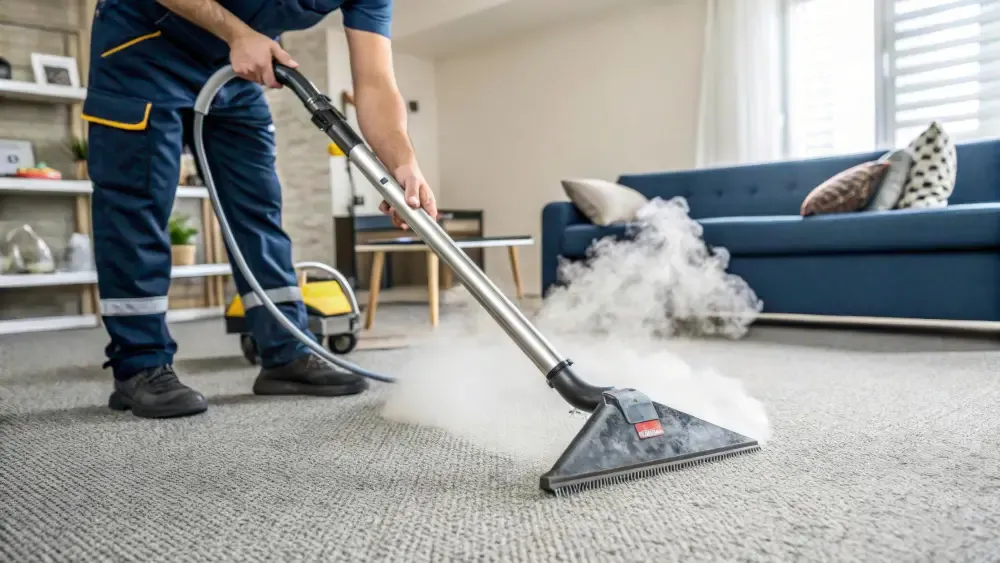
Stains are not all created equal. A spill of coffee, a drop of grease, a pet accident, and a red wine splash may all look like “just a stain,” but each one behaves differently once it lands on fabric, carpet, upholstery, or hard surfaces. The cleaning method that works well for one type can make another stain worse by setting it deeper, spreading it, or damaging the material underneath. Understanding the nature of the stain is the first step toward removing it effectively.
For homeowners, renters, and anyone who wants to keep surfaces in good condition, knowing how to match the stain to the right cleaning approach can save time, money, and frustration. It can also prevent permanent damage. In homes where carpets and rugs see daily use, even a simple spill can become a long-term problem if handled incorrectly. That is why professionals who handle carpet cleaning doylestown pa and similar services often begin by identifying the stain type before selecting a treatment.
Below is a practical guide to the most common stain categories and the cleaning techniques that work best for each one.
Key points
- Different stains respond to different cleaning methods based on their chemical makeup.
- Water-based stains, oil-based stains, protein stains, tannin stains, dye stains, and biological stains all require separate approaches.
- Using the wrong method can spread the stain, set it permanently, or damage the surface.
- Fast action usually improves results, but the right technique matters more than scrubbing hard.
- Testing cleaning products on a hidden area helps protect carpets, upholstery, and fabrics.
Why stain type matters
Cleaning works best when it targets the substance that caused the stain. Some stains dissolve in water. Others repel water and need a solvent or degreaser. Some contain proteins that can cook into fibers when exposed to heat. Others contain pigments that bind tightly to materials and require careful lifting rather than aggressive scrubbing. Because of these differences, there is no single “best” stain remover for every situation.
A cleaning technique should always consider three things: the source of the stain, the surface being cleaned, and how long the stain has been sitting. Fresh stains are usually easier to remove because they have not had time to bond strongly with the material. Older stains often need more patience and a more specialized treatment.
Water-based stains
Examples: juice, soda, tea, coffee, mud
Water-based stains are among the most common household spills. These stains usually contain dyes, sugars, or soil particles suspended in liquid. Because they are water-soluble, they often respond well to blotting with clean water or a mild cleaning solution.
The key with water-based stains is to avoid rubbing. Rubbing can push the stain deeper into fibers and cause the affected area to spread. Instead, blot gently with a clean white cloth or paper towel, working from the outside of the stain inward. If needed, use a small amount of mild dish soap mixed with water, then blot again with plain water to rinse.
For carpets and upholstery, too much moisture can create additional problems such as lingering odors or mildew. Use only enough liquid to lift the stain, and dry the area thoroughly afterward.
Best cleaning approach
- Blot immediately with a dry cloth
- Use cool or lukewarm water
- Apply a mild soap solution if needed
- Rinse lightly and dry completely
Oil-based stains
Examples: cooking oil, butter, grease, lotion, makeup
Oil-based stains behave differently because water alone will not break them down effectively. These stains cling to fibers and surfaces because oil naturally repels water. That means using only water may leave the stain behind or spread it further.
To clean oil-based stains, you usually need a degreasing agent or absorbent material first. On fabric or carpet, sprinkle a small amount of baking soda, cornstarch, or talcum powder over the stain to absorb excess oil. Let it sit, then vacuum or brush it away. After that, use a mild detergent solution or a cleaner designed to cut grease.
On hard surfaces, a degreasing cleaner is often more effective than standard soap. The important thing is to avoid heat until the stain is removed. Heat can make oily stains bond more tightly with fabric fibers.
Best cleaning approach
- Absorb excess oil first
- Use a detergent or degreaser
- Avoid hot water at the start
- Repeat gently rather than scrubbing hard
Protein-based stains
Examples: blood, eggs, dairy, sweat, urine
Protein stains are especially tricky because heat can set them permanently. Many people make the mistake of using hot water on blood or food stains that contain protein. That can cause the proteins to coagulate, making the stain harder to remove.
The safest method is usually cold water and a gentle cleaning solution. For fresh blood stains, blot with cold water as soon as possible. For dried stains, a bit more patience is needed. Enzyme-based cleaners can be effective because they break down the protein structure. This is especially useful for pet accidents and body fluid stains on carpet or upholstery.
When cleaning protein stains, it is also important to address odor, especially with urine or dairy spills. If the stain is not fully removed, the smell may remain even if the visible mark fades.
Best cleaning approach
- Use cold water only at first
- Avoid heat and steam
- Try enzyme cleaners for organic stains
- Repeat treatment if necessary
Tannin stains
Examples: coffee, tea, wine, fruit juice, some plant-based spills
Tannin stains come from plant compounds and are often deeply colored. They are common in drinks and foods made from fruits or leaves. Because tannins can bind to fabric quickly, immediate action is important. These stains are often easier to remove when fresh, but once they dry, they may require a more targeted spot treatment.
For tannin stains, blot the spill first, then use a mild detergent solution or a stain remover designed for organic dyes. White vinegar can sometimes help with certain tannin stains, but it should be used carefully and tested first, especially on delicate materials. On carpets, over-wetting can spread the stain, so controlled application is better than soaking the area.
Best cleaning approach
- Blot quickly without rubbing
- Use mild detergent or stain remover
- Work in small amounts of liquid
- Test any acidic cleaner on a hidden spot first
Dye-based stains
Examples: ink, food coloring, hair dye, colored beverages
Dye stains are among the most stubborn because they are designed to leave color behind. Ink, hair dye, and artificial coloring often penetrate deeply into fibers. These stains may require solvents, alcohol-based cleaners, or specialized stain removers depending on the surface.
For ink on fabric, blotting with rubbing alcohol can help lift the pigment, but it must be done carefully to avoid spreading the stain. On carpets, using too much solvent can damage backing materials or discolor the surrounding area. Hair dye often needs immediate cleanup because it can set very quickly. The sooner the stain is treated, the better the chance of full removal.
Because dye stains can vary so much, reading the product label and testing a small area is especially important.
Best cleaning approach
- Act fast before the dye sets
- Use the correct solvent for the stain type
- Blot instead of rubbing
- Test for colorfastness first
Biological stains
Examples: mold, mildew, vomit, pet messes, food decay
Biological stains are not just visible marks. They often bring odor, bacteria, or mold growth with them. These stains require both cleaning and sanitation. Simply removing the visible spot is not enough if the material still holds moisture or organic residue.
For mold and mildew, the main issue is moisture control. Cleaning without drying the area thoroughly may allow regrowth. For vomit or pet accidents, use gloves if needed, remove solid material first, then clean with an enzyme-based product or a disinfecting solution that is safe for the surface. On carpets, deep cleaning may be necessary if the stain has soaked into the padding.
Biological stains should be handled promptly and carefully, especially in homes with children or pets. Proper ventilation and thorough drying are just as important as the cleaning product itself.
Best cleaning approach
- Remove solid residue first
- Use disinfecting or enzyme-based cleaners as appropriate
- Address odor and moisture, not just the stain
- Dry the area completely
Rust and mineral stains
Examples: iron marks, hard water deposits, metal corrosion
Rust and mineral stains are different from food or liquid spills because they often come from a chemical reaction or repeated exposure to hard water. These stains usually need an acidic cleaner or a product formulated to dissolve mineral buildup.
Rust removers can be effective on some surfaces, but they should never be used blindly. Certain acids may damage stone, natural fibers, or delicate finishes. Always check whether the material can tolerate the cleaner. For hard water deposits on glass or tile, vinegar may work in some cases, while stronger products may be needed for heavier buildup.
Best cleaning approach
- Identify whether the stain is rust or mineral buildup
- Use a product made for that specific stain
- Avoid using acids on sensitive surfaces
- Rinse well after treatment
How surface type changes the method
Even when the stain type is known, the surface matters just as much. A stain on cotton is not the same as a stain on wool, silk, hardwood, or synthetic carpet. Natural fibers may absorb liquids differently than synthetic ones. Porous surfaces may hold residue below the surface, while sealed surfaces may allow easier cleanup but still show discoloration.
For example, a grease stain on upholstery may need a dry absorbent treatment before liquid cleaner is used. A coffee spill on hardwood should be wiped immediately to prevent water damage. A pet stain on carpet may require treatment that reaches deeper than the visible surface. Matching the stain type to the surface type leads to better results and less damage.
- Managerial Effectiveness!
- Future and Predictions
- Motivatinal / Inspiring
- Fitness and Wellness
- Medical & Health
- Manufacturing
- Education
- Real-Estate
- Food Industry
- Hospitality
- Online Games
- Sports
- Home Services
- Civil Engineering
- Safety and Protection
- Software Products & Services
- Fashion and Jewellery
- Artificial Intelligence
- Entrepreneurship
- Mentoring & Guidance
- Marketing
- Networking
- HR & Recruiting
- Literature
- Shopping
- Career Management & Advancement