

 SkillClick
Why Europe Prioritizes Smarter Building Insulation Solutions
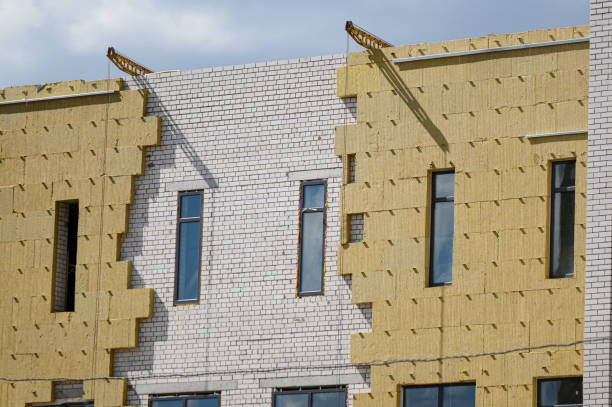
Europe’s construction sector is undergoing a significant transformation as governments, developers, and property owners focus on improving energy efficiency and reducing carbon emissions. Building insulation has become a fundamental component of this transition, helping structures maintain comfortable indoor temperatures while lowering energy consumption. As renovation projects and sustainable construction practices expand across the region, demand for advanced insulation materials continues to gain momentum.
The Europe Building Insulation Material Market reflects this shift toward energy-conscious construction. According to industry analysis, the market is valued at around USD 8.86 billion in 2026 and is projected to reach approximately USD 12.06 billion by 2032, growing at a CAGR of nearly 4.5% during the forecast period. The growing adoption of energy-efficient insulation solutions highlights the increasing importance of thermal performance, regulatory compliance, and sustainable building practices across Europe.
Another important factor shaping the market is the modernization of aging buildings. Many European countries are investing in refurbishment programs designed to improve the energy performance of existing residential and commercial properties. These initiatives encourage the replacement of outdated insulation systems with modern materials that deliver improved thermal resistance and long-term durability.
Energy Efficiency Regulations Continue to Shape Demand
Government policies remain one of the strongest drivers behind insulation material adoption. European regulations promoting nearly zero-energy buildings (NZEB) and stricter building energy performance standards encourage developers to integrate high-quality insulation into both new construction and renovation projects.
These regulations are not only reducing operational energy costs but are also supporting national climate objectives. Improved insulation helps lower heating and cooling requirements, making buildings more efficient throughout their lifecycle while contributing to lower greenhouse gas emissions. According to the International Energy Agency (IEA), improving building efficiency remains one of the most effective pathways for reducing global energy demand and emissions.
Renovation Activities Are Expanding Market Opportunities
A substantial share of Europe's building stock was constructed decades ago, when insulation standards were considerably lower than current requirements. As these structures undergo modernization, insulation upgrades have become a priority for homeowners, commercial property owners, and public authorities.
Large-scale renovation initiatives are generating consistent demand for advanced insulation products that improve indoor comfort while reducing utility expenses. Beyond residential buildings, schools, hospitals, offices, and industrial facilities are increasingly incorporating upgraded insulation systems to improve long-term operational efficiency.
Innovation Is Improving Material Performance
Manufacturers continue investing in research and development to introduce insulation materials that offer improved thermal performance, moisture resistance, fire safety, and sustainability. New product innovations are helping builders meet increasingly demanding construction standards without compromising structural performance or installation efficiency.
Growing interest in environmentally responsible construction has also accelerated the development of recyclable and bio-based insulation materials. These products support circular economy initiatives while providing architects and developers with more sustainable material choices for green building projects. The European Commission continues to promote resource-efficient construction as part of its broader sustainability strategy.
Sustainability Is Influencing Construction Decisions
Environmental considerations are becoming central to material selection across Europe's construction industry. Developers increasingly evaluate insulation products based on lifecycle performance, embodied carbon, recyclability, and environmental certifications in addition to thermal efficiency.
This broader sustainability perspective encourages manufacturers to improve production processes while reducing environmental impact. As green building certifications become more widely adopted, demand for insulation materials that contribute to sustainability targets is expected to strengthen across multiple construction segments.
Long-Term Outlook Remains Positive
Continued investment in energy-efficient buildings, supportive government regulations, technological innovation, and renovation programs are expected to sustain market growth throughout the forecast period. Rising awareness of energy conservation among businesses and homeowners further reinforces the importance of advanced insulation solutions in modern construction.
As Europe continues pursuing ambitious climate objectives, building insulation will remain a critical element of sustainable infrastructure development. The combination of regulatory support, innovation, and growing renovation activity positions the sector for steady expansion while helping improve building performance and reduce long-term energy consumption.
- Managerial Effectiveness!
- Future and Predictions
- Motivatinal / Inspiring
- Fitness and Wellness
- Medical & Health
- Manufacturing
- Education
- Real-Estate
- Food Industry
- Hospitality
- Online Games
- Sports
- Home Services
- Civil Engineering
- Safety and Protection
- Software Products & Services
- Fashion and Jewellery
- Artificial Intelligence
- Entrepreneurship
- Mentoring & Guidance
- Marketing
- Networking
- HR & Recruiting
- Literature
- Shopping
- Career Management & Advancement