

 SkillClick
A Practical Guide to Developing Personalized Belt Collections
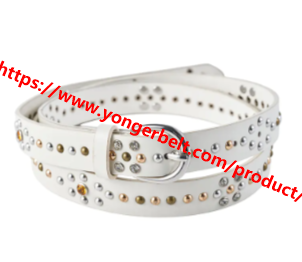
A thoughtfully developed Custom Belt can combine practical fastening with distinctive materials, personalized details, and a clear visual identity. For brands and buyers, creating such a product involves much more than choosing a strap and buckle. The material, construction, adjustment method, surface treatment, comfort, maintenance, and decorative elements all need to work together so the finished accessory feels coherent in both appearance and use.
Material selection provides the first opportunity to establish the character of a belt. Leather can offer a natural texture and a classic appearance, while synthetic leather creates possibilities for consistent colors, surface patterns, and contemporary finishes. Textile webbing can bring flexibility and a more relaxed visual character. Recycled or alternative materials may also appeal to brands exploring different product concepts. The appropriate choice depends on the intended audience, clothing style, usage environment, and desired product identity.
Texture is an especially valuable part of material selection because it influences both sight and touch. Smooth surfaces can create a refined impression, whereas pronounced grain, woven structures, or subtle patterns can give a belt a more expressive personality. When selecting materials, brands should consider how the texture interacts with the buckle, stitching, edges, and branding details rather than evaluating the strap by itself.
The internal construction of a belt can also influence how it behaves during wear. Different layers may be combined to create a particular balance between flexibility and structure. A fashion belt may benefit from a softer feel, while a work-oriented design may require a more stable character. The construction should support natural movement without making the belt unnecessarily rigid or complicated.
Buckle selection is another major consideration because hardware often becomes the visual center of the accessory. Traditional metal buckles can communicate a familiar and timeless style, while cleaner geometric forms may suit contemporary collections. The surface finish of the buckle can also change the overall impression, with polished, brushed, darkened, or textured treatments creating different relationships with the strap.
The fastening mechanism should be selected according to how the intended user will interact with the belt. Some consumers prefer a familiar fastening method, while others may appreciate systems that allow quick adjustment or interchangeable components. Ease of operation is important, particularly for belts designed for frequent use. A mechanism should feel natural rather than requiring unnecessary steps every time the accessory is worn.
The connection between buckle and strap deserves careful attention during development. Stitching, rivets, screws, clamps, and other attachment approaches can produce different structural and visual effects. The chosen method should correspond with the material and design language. A decorative buckle paired with an unsuitable attachment can make the product feel inconsistent, while a carefully integrated connection can reinforce the overall design.
Edge finishing is another detail that can transform the perception of a belt. Clean edges contribute to a polished appearance and can improve the tactile experience. Depending on the material, manufacturers may use folding, binding, painting, polishing, or other treatments. Contrasting edges can become a decorative feature, while matching finishes can create a quieter and more unified appearance.
Comfort should remain part of the design discussion from the beginning. A belt is worn close to the body and moves with the wearer throughout the day. Strap flexibility, surface texture, edge smoothness, and buckle shape can influence comfort during walking, sitting, bending, and other routine activities. Designers should therefore consider how the complete product behaves rather than focusing only on its appearance when laid flat.
Adjustment is closely related to comfort and practicality. Users need to be able to secure the belt naturally while adapting it to different clothing combinations. Traditional holes, sliding systems, interchangeable hardware, and other adjustment concepts offer different experiences. The best option depends on the intended market and the type of clothing with which the belt will be used.
Maintenance requirements should also influence material choices. Some surfaces may require more careful cleaning or storage, while others are better suited to simple everyday care. Brands should consider the habits of their target customers before selecting materials and finishes. A visually sophisticated belt can become less appealing if its care requirements are difficult for the intended user to follow.
Brand identity can be incorporated through subtle manufacturing details. Embossed logos, printed graphics, branded buckles, woven labels, distinctive stitching, and customized surface treatments can help create recognition. The branding technique should complement the material and overall aesthetic. Strong visual identity does not always require prominent decoration; carefully positioned details can communicate a brand just as effectively.
Color coordination can further strengthen a collection. Neutral shades can provide versatility, while distinctive tones can support seasonal, youth-oriented, outdoor, or fashion-focused concepts. Buckle finishes and stitching colors should be considered alongside the strap color so that the individual elements form a unified visual composition.
Manufacturing technology influences how consistently a design can be reproduced. Production may involve material preparation, cutting, skiving, punching, embossing, stitching, edge treatment, hardware assembly, pressing, and finishing. Each process needs to be coordinated with the others. When customization involves multiple materials or decorative techniques, communication between designers and production teams becomes particularly important.
Quality control can be incorporated throughout manufacturing instead of being limited to final inspection. Material condition, strap preparation, stitching, hardware attachment, edge finishing, surface appearance, and overall assembly can all be checked during production. This approach helps identify inconsistencies earlier and supports a more stable finished product.
Packaging can also contribute to the customized experience. A carefully designed package can protect the belt during transportation while reinforcing the brand's visual language. Labels, inserts, presentation boxes, and other packaging elements can be coordinated with the belt itself, creating a more consistent experience from delivery to first use.
Yiwu Yonger Belt Co., Ltd. combines experience in belt manufacturing with capabilities related to material selection, product construction, finishing, and customization. For businesses developing private-label accessories or distinctive belt collections, evaluating a manufacturer's understanding of materials, production processes, design communication, quality management, and customization can help create a smoother product development process.
Customization works particularly well when design decisions are made with production realities in mind. A buckle concept, surface finish, decorative pattern, or material combination may look attractive during the design stage but require careful manufacturing coordination. Early discussion between the brand and manufacturer can help refine these ideas while preserving the intended appearance.
For businesses developing personalized belt products, examining material character, strap construction, buckle design, adjustment methods, edge finishing, branding, comfort, maintenance, packaging, and production coordination can help turn a visual concept into a practical accessory. Yiwu Yonger Belt Co., Ltd. provides further information about its belt products and manufacturing capabilities through its official website: https://www.yongerbelt.com/
- Managerial Effectiveness!
- Future and Predictions
- Motivatinal / Inspiring
- Fitness and Wellness
- Medical & Health
- Manufacturing
- Education
- Real-Estate
- Food Industry
- Hospitality
- Online Games
- Sports
- Home Services
- Civil Engineering
- Safety and Protection
- Software Products & Services
- Fashion and Jewellery
- Artificial Intelligence
- Entrepreneurship
- Mentoring & Guidance
- Marketing
- Networking
- HR & Recruiting
- Literature
- Shopping
- Career Management & Advancement