

 SkillClick
Making the Most of Awkward Room Layouts When Positioning a Television
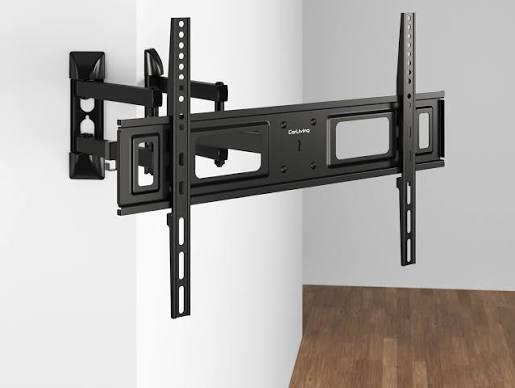
Not every living room offers a straightforward wall for the television. Narrow rooms, L-shaped layouts, apartments with unusual floor plans, and open-plan spaces where furniture doesn't line up neatly with a single flat wall all present the same question: where does the screen actually go? For a growing number of homeowners, especially in tighter Dublin properties, the answer is turning to a corner rather than fighting to force a TV onto a wall that doesn't quite work.
Why Corners Solve Problems Flat Walls Can't
A corner placement often exists because the room simply doesn't offer a wide enough clear wall elsewhere. Period houses with fireplaces, bay windows, and built-in alcoves frequently leave very little uninterrupted wall space, and pushing a TV into whatever gap remains can result in poor sightlines from the sofa. Positioning the screen diagonally across a corner instead can open up sightlines from multiple seating positions, particularly in rooms where the sofa faces neither wall directly.
Corners also come into play in multi-functional rooms. Open-plan kitchen-diners, converted attic rooms, and studio apartments often have furniture arranged around the room's edges rather than against one dominant wall, and a diagonal screen position can serve seating on two sides of the room more evenly than a flat-wall mount would.
What Makes a Corner Installation Different
Fitting a screen into a corner TV wall mount setup is not simply a case of rotating a standard bracket forty-five degrees. The hardware itself needs to be designed for angled positioning, with an arm or plate that projects outward from the corner junction rather than sitting flush against a single flat surface. This changes how weight is distributed, since the television is effectively cantilevered further from the wall than it would be in a standard flat mount.
Stud location becomes more complex in a corner as well, because the two intersecting walls may have studs running in different directions relative to where the bracket needs to anchor. In older properties, corners can also involve uneven plaster, rounded coving, or skirting board junctions that interfere with a clean, flush fit. Getting the bracket level and properly anchored in this kind of space typically takes more careful measurement than a mid-wall installation would.
Choosing Hardware Built for Angled Positioning
Not every bracket on the market is suited to corner use. Fixed brackets, which hold the screen tight against the wall with no movement, are rarely a good match for corners because they don't allow the viewing angle to be adjusted once installed. Full-motion or articulating brackets are generally the better choice, since their extending arm lets the screen swing outward and pivot toward the main seating area after installation, correcting for the fact that a corner naturally sits at an angle to most of the room.
Weight capacity also deserves close attention. Because the arm on a corner-friendly bracket extends further from the wall than a flat mount would, the leverage on the fixings increases. A bracket rated comfortably above the television's actual weight gives a safety margin that matters more in this configuration than in a standard installation.
Cable and Power Considerations Unique to Corners
Running cables neatly in a corner setup brings its own quirks. Because the television sits away from the wall on an extended arm, cables need enough slack to allow the screen to swing and tilt without pulling on the connections, while still being tidied so they don't hang loosely and become a visual distraction. Concealment options include routing cables down one of the two adjoining walls into a floor-level socket, using a cable cover that follows the corner junction itself, or, in some cases, running wiring through the wall cavity behind the mount if the wall construction allows it.
Power sockets are worth planning too. Corners in many rooms sit further from existing sockets than a flat wall would, which sometimes means an extension lead is needed unless a new point is added closer to the mount location.
Furniture and Sightline Planning
Once the bracket type is settled, it's worth stepping back and considering how the room's furniture interacts with the new screen position. A corner mount works best when the arm's swing range genuinely covers the main seating area; testing this before final fixing, where possible, helps confirm the screen will sit at a comfortable angle rather than requiring viewers to twist toward it. Rooms with seating on two different walls tend to benefit the most, since a swinging arm can be adjusted for whichever spot is in use at a given time, something a fixed flat-wall mount simply cannot offer.
Conclusion
A corner isn't always the obvious place to put a television, but in rooms where a flat wall doesn't give the layout enough to work with, it can turn an awkward space into one that actually functions well for everyone using it. Getting there safely means choosing hardware built for angled use, accounting for the extra leverage on the fixings, and planning cables and power with the extended arm's movement in mind. For anyone weighing up whether their own layout could work this way, understanding what a corner TV wall mount genuinely involves, from bracket type to cable routing, makes it much easier to judge whether it's the right fit before any drilling begins.
- Managerial Effectiveness!
- Future and Predictions
- Motivatinal / Inspiring
- Fitness and Wellness
- Medical & Health
- Manufacturing
- Education
- Real-Estate
- Food Industry
- Hospitality
- Online Games
- Sports
- Home Services
- Civil Engineering
- Safety and Protection
- Software Products & Services
- Fashion and Jewellery
- Artificial Intelligence
- Entrepreneurship
- Mentoring & Guidance
- Marketing
- Networking
- HR & Recruiting
- Literature
- Shopping
- Career Management & Advancement