

 SkillClick
New Home Construction Landscaping: How to Plan a Beautiful Outdoor Space
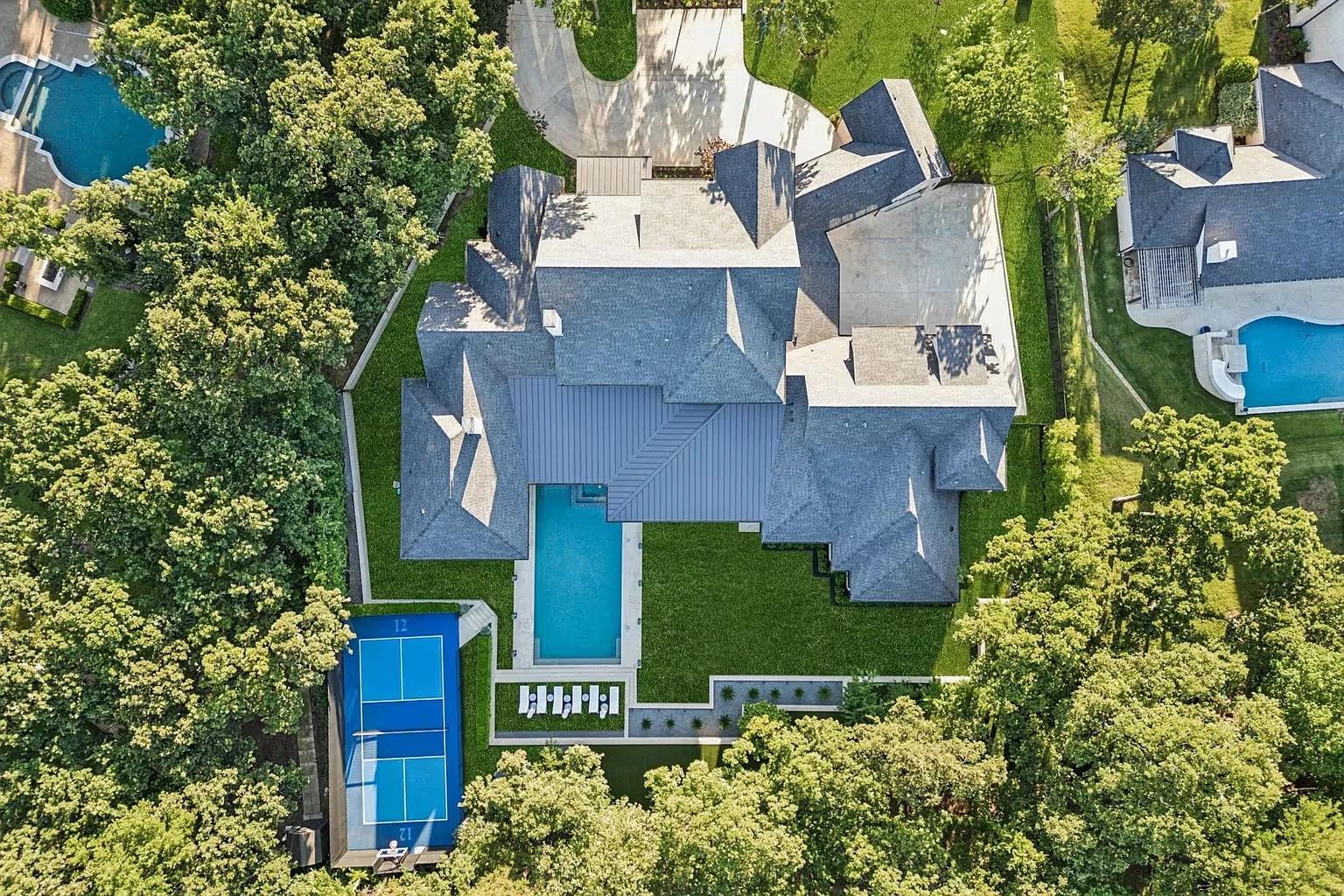
Building a new home is an exciting process. You get to choose the layout, materials, colors, and features that fit your lifestyle. However, the property is not truly complete when the house is finished. The outdoor space also plays an important role in how the home looks, feels, and functions.
New home construction landscaping gives homeowners the chance to plan their yard from the beginning instead of trying to work around an established landscape. With the right approach, the front yard, backyard, walkways, planting areas, lawn, and outdoor living spaces can all work together.
Professional landscape design and installation services can also help homeowners avoid common planning mistakes and create an outdoor environment that remains attractive as the property matures.
Why Landscaping Should Be Planned Early
Many homeowners wait until construction is almost finished before thinking about landscaping. While this is possible, early planning can make the process much easier.
Construction can change the condition of a property. Heavy equipment may compact the soil, remove existing vegetation, or alter the natural flow of water. The final grade around the home also needs to be considered before installing plants, turf, patios, or other outdoor features.
Planning landscaping alongside the home's construction allows important details to be considered together. This can reduce the need to remove or relocate completed features later.
Early planning also gives homeowners time to think about how they want to use the property. A family that enjoys outdoor meals may need a larger patio, while another homeowner may prefer more lawn space, garden beds, or private seating areas.
Start With a Complete Landscape Plan
Look at the Entire Property
A landscape plan should cover more than the area directly in front of the house. It should consider the complete property, including the front yard, sides, backyard, driveway, entrances, and outdoor living areas.
A complete plan helps maintain a consistent appearance throughout the property. It also makes it easier to decide which features should be installed first and which can be added later.
Before making design decisions, consider:
- Soil condition, drainage, sunlight, property size, existing trees, access points, privacy needs, and expected maintenance.
- Lawn areas, trees, shrubs, planting beds, walkways, patios, outdoor seating areas, lighting, and other features that support the way the household uses the property.
A master plan can also make phased landscaping easier. Homeowners do not have to install every feature at once. Having a clear plan makes it possible to complete the project in stages without losing the overall design.
Evaluate Soil and Drainage Conditions
Prepare the Ground Before Planting
One of the most important parts of new home construction landscaping is preparing the property properly.
New construction sites often have disturbed or compacted soil. Compacted soil can make it harder for roots to establish and can affect how water moves through the ground. Before planting, the soil should be evaluated and prepared according to the needs of the landscape.
Drainage is equally important. Water should move away from the home's foundation and toward suitable drainage areas. Poor grading can lead to standing water, erosion, damaged plants, and other landscape problems.
Addressing grading and drainage before installing the finished landscape can help prevent costly changes later.
Design a Welcoming Front Yard
Create Balanced Curb Appeal
The front yard is often the first part of the property people see. A thoughtful design can make the home feel more welcoming while complementing its architectural style.
The goal is not to fill every open area with plants. Instead, trees, shrubs, flowers, lawn, pathways, and other features should have enough space to look natural.
Plant size is especially important. A plant that looks small when installed may become much larger as it matures. Choosing plants based on their expected mature size can help prevent overcrowding and future maintenance problems.
The entryway should also be easy to recognize. A clear walkway, carefully positioned plants, and simple lighting can help guide visitors toward the front door.
Create a Functional Backyard
Design Around Your Lifestyle
The backyard is often where homeowners spend the most time outdoors. Its design should therefore be based on how the space will actually be used.
Some families may want an open lawn for children and pets. Others may prefer a patio for outdoor dining, a garden area, a pool environment, or a quiet place to relax.
Good landscape design and installation services can organize these different uses into separate but connected areas. Plants can help define spaces, while walkways can create comfortable connections between them.
Plan Outdoor Living Areas
Outdoor living features should be considered early, even if they will be installed later.
Patios, pergolas, outdoor kitchens, fire features, seating areas, and other improvements require adequate space. Their locations may also affect drainage, irrigation, planting beds, and access to the home.
Including these features in the initial plan can prevent conflicts with future landscaping. It can also make the completed property feel more connected rather than looking like a collection of unrelated projects.
Choose Plants Carefully
Match Plants to Site Conditions
Plant selection is one of the most visible parts of landscaping, but appearance should not be the only consideration.
Plants have different needs for sunlight, water, soil, space, and maintenance. Selecting varieties that are appropriate for the local growing conditions can make the landscape easier to manage.
A well planned planting design can include a mixture of trees, shrubs, perennials, ground covers, and lawn. Different plant heights and textures can add interest without making the landscape feel cluttered.
Think About Future Growth
It is important to consider how plants will look several years after installation.
Trees and shrubs need enough room to grow. Planting them too close to buildings, walkways, fences, or utility areas can create problems as they mature.
Thinking about future growth during the design stage can help protect both the plants and surrounding structures while reducing the need for unnecessary pruning or removal.
Install Hardscape Features in the Right Order
Hardscape features provide structure to the outdoor space. These may include patios, walkways, steps, retaining walls, seating areas, and other permanent elements.
These features should be carefully planned before planting begins. Construction work around newly installed plants can cause damage, create soil disturbance, or require areas to be replanted.
The placement of hardscape should also work with the home's entrances and traffic patterns. Walkways should provide convenient routes, while patios and seating areas should have enough room for comfortable use.
Choosing materials that complement the home's exterior can create a more unified appearance.
Plan Irrigation and Maintenance
Make Long Term Care Part of the Design
A landscape does not end when installation is complete. Plants need water, pruning, seasonal care, and attention as they grow.
Irrigation should be considered during the design process. Different areas of the landscape may have different watering needs, so the system should be planned according to the plants and layout.
Maintenance should also influence plant selection. Homeowners who want a lower maintenance yard may benefit from choosing plants that suit the local environment and avoiding overly complicated planting designs.
A practical landscape should look attractive while remaining manageable for the homeowner or maintenance team.
Consider a Phased Installation
A complete landscape can be a significant investment, especially when a new home includes a large property. Fortunately, homeowners can complete landscaping in phases when the project is properly planned.
Essential work such as grading, drainage, irrigation, primary walkways, and basic lawn areas can be completed first. Trees, planting beds, patios, outdoor structures, and decorative features can be added according to the homeowner's budget and priorities.
The important point is to have the overall plan established before beginning individual phases. This helps ensure that future improvements fit naturally with the work already completed.
Avoid Common Landscaping Mistakes
New homeowners sometimes focus heavily on appearance and overlook practical details. A beautiful landscape can become difficult to manage if drainage, plant growth, access, or maintenance requirements were not considered.
Some common mistakes include choosing plants without considering mature size, installing landscaping before addressing drainage, creating planting areas that are difficult to access, using too many different plant varieties, and designing outdoor spaces without considering how they will be used.
Another mistake is planning only for the present. A landscape changes as plants grow and household needs develop. Good design considers both the property today and how it may look several years from now.
Create an Outdoor Space That Complements Your Home
New home construction landscaping is an opportunity to create an outdoor environment that feels connected to the house from the beginning. Instead of treating landscaping as an afterthought, homeowners can plan the yard around the home's architecture, daily activities, property conditions, and future needs.
From preparing the soil and managing drainage to selecting plants and creating comfortable outdoor living areas, each decision contributes to the finished result. Professional landscape design and installation services can help bring these elements together while keeping the project practical and organized.
With careful planning, the outdoor space can become more than an attractive addition to a new home. It can provide a welcoming entrance, comfortable areas for everyday use, and a landscape that continues to grow and improve over time.
Conclusion
A successful new home construction landscaping project begins with planning. Understanding the property, preparing the soil, addressing drainage, choosing suitable plants, and designing useful outdoor spaces can create a landscape that looks good and works well for years to come. For homeowners seeking dependable landscape design and installation services, Kingswood Landscape can provide professional guidance and help transform a newly built property into a welcoming, functional outdoor space.
- Managerial Effectiveness!
- Future and Predictions
- Motivatinal / Inspiring
- Fitness and Wellness
- Medical & Health
- Manufacturing
- Education
- Real-Estate
- Food Industry
- Hospitality
- Online Games
- Sports
- Home Services
- Civil Engineering
- Safety and Protection
- Software Products & Services
- Fashion and Jewellery
- Artificial Intelligence
- Entrepreneurship
- Mentoring & Guidance
- Marketing
- Networking
- HR & Recruiting
- Literature
- Shopping
- Career Management & Advancement