

 SkillClick
How Regular Drain Cleaning Can Prevent Expensive Plumbing Problems
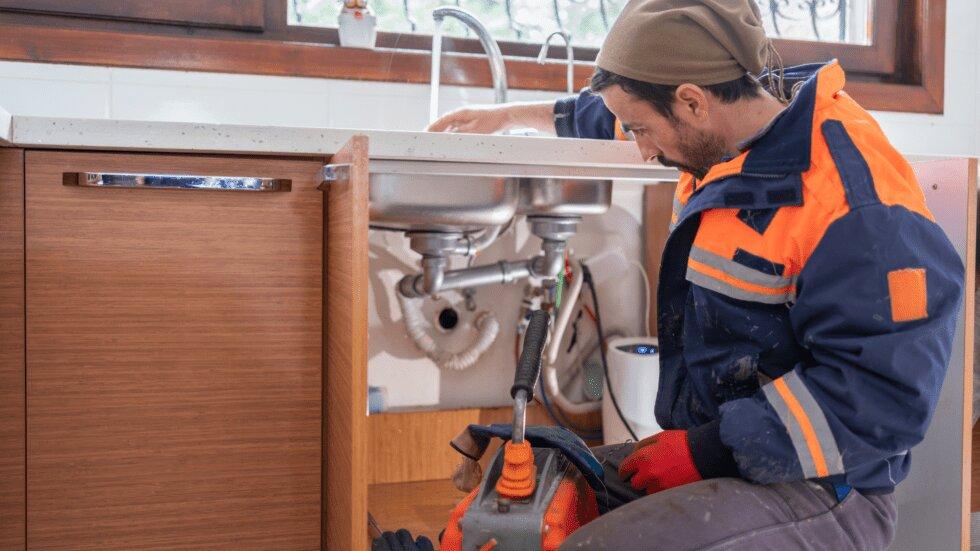
Drain problems are among the most common plumbing issues in homes. A drain may seem like a small part of the plumbing system, but it plays an important role in moving wastewater away from your home. When drains become dirty, blocked, or damaged, they can cause slow drainage, bad odors, water backups, and even serious plumbing damage.
Regular drain cleaning is one of the easiest ways to keep your plumbing system working properly. Instead of waiting until a drain becomes completely blocked, homeowners can take preventive steps to remove buildup and identify potential problems early. Routine maintenance can help reduce the risk of emergency repairs and protect your home from expensive water damage.
Why Drain Cleaning Is Important
Every day, drains carry water, food particles, soap, hair, grease, and other materials away from your home. Over time, some of these materials can stick to the inside walls of pipes.
At first, the buildup may not cause any noticeable problem. Water may still drain normally. As more material collects inside the pipe, however, the opening becomes smaller and water flow becomes slower.
Eventually, a partial blockage can become a complete clog.
Regular drain cleaning helps remove buildup before it reaches this stage. It can also give homeowners an opportunity to notice warning signs that may indicate a deeper plumbing problem.
Common Causes of Drain Problems
Understanding what causes drain problems can help homeowners prevent them.
Some of the most common causes include:
- Hair buildup
- Soap residue
- Grease and cooking oil
- Food particles
- Dirt and debris
- Mineral deposits
- Tree roots
- Foreign objects
- Damaged pipes
- Poor drainage design
Different drains can experience different problems. Kitchen sinks commonly collect grease and food particles, while bathroom drains often collect hair and soap residue.
Kitchen Drain Problems
Kitchen sinks receive a large amount of waste every day. Small amounts of food and grease can enter the drain even when homeowners are careful.
Grease is particularly problematic because it can stick to pipe walls. As additional food particles attach to the grease, the blockage can become larger.
Avoid pouring cooking oil, grease, or large amounts of food waste down the sink.
Using a sink strainer can also help prevent larger particles from entering the drain.
Bathroom Drain Problems
Bathroom drains frequently become clogged with hair, soap, shampoo residue, and other materials.
Hair can combine with soap and create a sticky mass inside the pipe. Over time, water may begin draining more slowly.
Cleaning the drain cover and removing visible hair regularly can help reduce this type of buildup.
How Small Drain Problems Become Expensive Repairs
One of the biggest benefits of regular drain cleaning is preventing minor problems from becoming major ones.
Consider a slow drain. Many homeowners may ignore it because water still moves through the pipe. However, slow drainage can indicate that a blockage is developing.
If the blockage continues to grow, it can eventually stop water from flowing.
A severe blockage may result in:
- Overflowing sinks
- Backed-up showers
- Toilet problems
- Standing water
- Sewer backups
- Water damage
- Unpleasant odors
- Emergency plumbing repairs
In some cases, a recurring clog may also indicate a damaged or deteriorating pipe.
Addressing the issue early can make it easier to determine the cause and choose the right solution.
Signs Your Drains Need Cleaning
Homeowners should pay attention to changes in drainage.
Some common warning signs include:
1. Slow Drainage
If water takes longer than usual to leave a sink, shower, or bathtub, there may be buildup inside the pipe.
2. Bad Odors
A persistent unpleasant smell from a drain may indicate food, grease, organic material, or other buildup inside the plumbing.
3. Gurgling Sounds
Gurgling noises can occur when water and air have difficulty moving through the plumbing system.
4. Recurring Clogs
If the same drain keeps becoming clogged, simply clearing the blockage may not solve the underlying problem.
5. Multiple Slow Drains
When several drains become slow at the same time, the issue may be farther down the plumbing system.
6. Water Backups
Water coming back into a sink, tub, shower, or floor drain can indicate a more serious blockage.
These signs should not be ignored.
Benefits of Regular Drain Cleaning
Routine drain maintenance offers several benefits for homeowners.
Prevents Major Blockages
Regular cleaning can remove buildup before it develops into a severe obstruction.
Helps Protect Pipes
Heavy buildup can place additional stress on a drainage system. Keeping pipes cleaner can help maintain normal water flow.
Reduces Bad Odors
Food particles, grease, hair, and organic material can create unpleasant smells. Cleaning drains can help reduce the material responsible for these odors.
Helps Prevent Water Damage
A blocked drain can cause water to back up and overflow. Preventing severe blockages can reduce the risk of water reaching floors, walls, cabinets, and other parts of the home.
Saves Money Over Time
Preventive maintenance may cost less than dealing with extensive plumbing damage caused by a neglected problem.
Improves Drain Performance
Clean drains generally allow wastewater to move more freely through the plumbing system.
DIY Drain Cleaning vs. Professional Drain Cleaning
Homeowners can perform simple drain maintenance themselves. Removing visible debris, using drain strainers, and keeping grease out of the plumbing are good preventive habits.
However, not every blockage is simple.
A professional may be needed when:
- The clog keeps returning.
- Several drains are affected.
- Water backs up into the home.
- A drain is completely blocked.
- There are signs of a sewer problem.
- You suspect tree roots are involved.
- Store-bought products have not solved the issue.
- You notice unusual plumbing noises or odors.
Professional drain cleaning equipment can reach deeper into the plumbing system than many household methods.
Why Chemical Drain Cleaners May Not Be the Best Solution
Chemical drain cleaners are widely available, but they should be used carefully.
A chemical product may sometimes break down certain types of buildup, but it does not necessarily address the reason a clog developed.
For example, if a pipe is damaged, has significant root intrusion, or repeatedly collects debris because of a structural problem, chemical treatment will not permanently solve the issue.
Repeated use of harsh chemicals may also create risks for certain plumbing components.
When a drain problem keeps returning, identifying the cause is more useful than repeatedly treating the symptom.
How to Prevent Drain Clogs
Homeowners can take several simple steps to keep drains working properly.
Kitchen Drain Tips
- Do not pour grease or cooking oil down the sink.
- Use a sink strainer.
- Remove food scraps before washing dishes.
- Avoid putting large amounts of food into the disposal.
- Clean the sink and drain regularly.
Bathroom Drain Tips
- Use hair catchers in showers and tubs.
- Remove hair from drain covers.
- Do not flush inappropriate materials.
- Keep soap and other residue from accumulating.
- Address slow drainage early.
General Drain Tips
- Do not put foreign objects into drains.
- Pay attention to unusual odors.
- Do not ignore recurring clogs.
- Schedule maintenance when necessary.
- Learn where your main water shutoff valve is located.
Small habits can make a significant difference over time.
How Often Should Drains Be Cleaned?
There is no single schedule that works for every home.
The right frequency depends on factors such as:
- The age of the plumbing system
- Number of people in the home
- Frequency of drain use
- Previous clog history
- Pipe condition
- Type of materials entering the drains
- Presence of mature trees near sewer lines
A home that frequently experiences clogs may need more attention than a property with consistently clear drains.
Instead of relying only on a calendar, homeowners should also monitor how their drains behave.
Older Homes May Need Extra Attention
Older plumbing systems can have different maintenance needs than newer systems.
Pipes can deteriorate over time. Connections may weaken, and mineral deposits or other buildup may reduce the internal diameter of pipes.
Older homes may also have sewer lines that are more vulnerable to root intrusion or structural problems.
If an older property has recurring drain issues, professional inspection can help determine whether the problem is simply buildup or something more serious.
Tree Roots and Drain Problems
Tree roots can cause significant problems when they enter damaged sewer pipes.
Roots are attracted to moisture. If a sewer pipe develops a crack or loose connection, roots may grow toward the moisture and enter the opening.
Once inside, roots can continue growing and collect other materials.
Warning signs of possible root intrusion include:
- Recurring sewer backups
- Multiple clogged drains
- Slow drainage throughout the home
- Unusual wet areas in the yard
- Persistent sewer odors
- Problems that return shortly after cleaning
A sewer camera inspection can help identify root intrusion and other problems inside underground pipes.
How Professional Drain Cleaning Can Help
Professional drain cleaning is useful when ordinary maintenance is not enough.
Depending on the situation, a professional may use specialized equipment to clear blockages and restore proper flow.
Possible methods include mechanical drain cleaning and hydro jetting. The appropriate method depends on the type and condition of the plumbing system.
A professional can also investigate why the blockage occurred instead of simply clearing it.
For homeowners comparing local options, choosing the Best Drain Cleaning Company in Dallas can be a practical step when recurring or serious drainage problems require professional attention.
What Happens During a Professional Drain Cleaning?
A professional drain cleaning service may begin by asking about the symptoms you have noticed.
The technician may inspect affected fixtures and determine where the blockage is located.
Depending on the situation, the process may include:
- Identifying the affected drain.
- Checking the plumbing system.
- Locating the blockage.
- Selecting appropriate cleaning equipment.
- Removing the obstruction.
- Testing water flow.
- Looking for signs of additional problems.
- Recommending preventive maintenance if necessary.
For serious or recurring problems, a camera inspection may also be recommended.
When Should You Call a Professional?
Not every slow drain requires emergency service, but certain symptoms deserve prompt professional attention.
Call a professional if you notice:
- A completely blocked drain
- Repeated clogs
- Multiple backed-up fixtures
- Sewage coming into the home
- Persistent sewer odors
- Water backing up through floor drains
- Unexplained wet areas around the property
- A suspected damaged sewer line
Getting help early can reduce the chance of a small problem developing into a larger plumbing repair.
Frequently Asked Questions
Can regular drain cleaning prevent all clogs?
No. Regular cleaning can reduce buildup and lower the risk of certain blockages, but it cannot prevent every plumbing problem. Structural pipe damage, tree roots, and foreign objects can still cause problems.
Is a slow drain always caused by a clog?
Not always. A slow drain may result from buildup, a deeper blockage, pipe damage, or another drainage issue. Recurring slow drainage should be investigated.
Can I clean my drains myself?
Basic maintenance can be done at home, such as removing visible hair and using drain strainers. Deeper or recurring blockages may require professional equipment and expertise.
Why do my drains keep clogging?
Recurring clogs can be caused by grease, hair, debris, improper drain use, pipe damage, mineral buildup, or tree roots. Finding the underlying cause is important.
Is drain cleaning expensive?
The cost depends on the location, severity, cause, and cleaning method required. Preventive maintenance can help reduce the risk of larger and potentially more expensive plumbing problems.
Conclusion
Regular drain cleaning is an important part of responsible home maintenance. Drains work every day to carry wastewater away from sinks, showers, tubs, and other fixtures, so buildup is naturally possible over time.
Ignoring slow drainage, unpleasant odors, recurring clogs, or water backups can allow a small problem to become much more serious. In some situations, a neglected blockage can contribute to water damage, sewer backups, or expensive plumbing repairs.
Homeowners can reduce their risk by keeping grease, food waste, hair, and foreign objects out of drains. Using strainers, watching for warning signs, and addressing recurring problems early can also help maintain a healthier plumbing system.
When simple maintenance is no longer enough, professional drain cleaning can help identify and address deeper blockages. Regular attention to your drains is a relatively simple way to protect your home, improve plumbing performance, and potentially avoid unexpected repair costs.

- Managerial Effectiveness!
- Future and Predictions
- Motivatinal / Inspiring
- Fitness and Wellness
- Medical & Health
- Manufacturing
- Education
- Real-Estate
- Food Industry
- Hospitality
- Online Games
- Sports
- Home Services
- Civil Engineering
- Safety and Protection
- Software Products & Services
- Fashion and Jewellery
- Artificial Intelligence
- Entrepreneurship
- Mentoring & Guidance
- Marketing
- Networking
- HR & Recruiting
- Literature
- Shopping
- Career Management & Advancement