

 SkillClick
How to Select the Right Capacity Servo Voltage Stabilizer for Your Facility
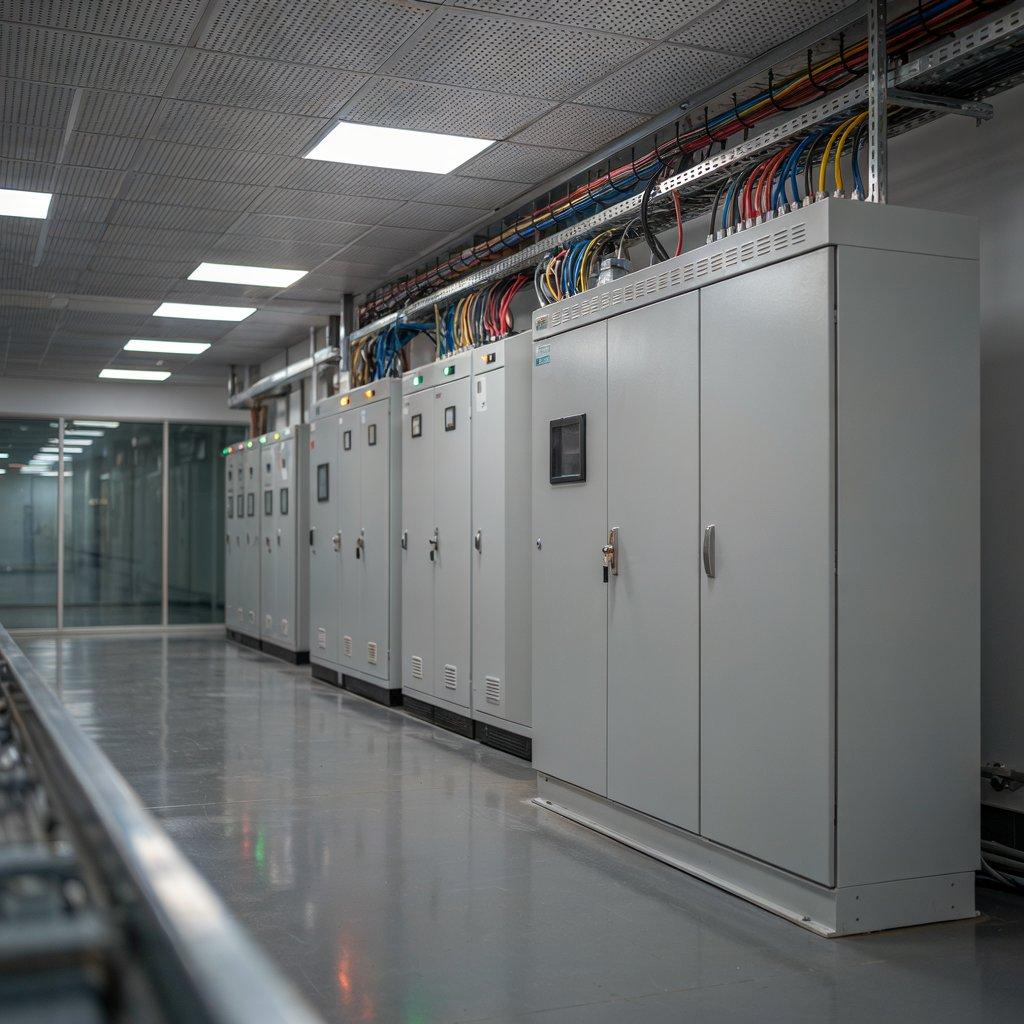
Voltage fluctuations can affect the performance, efficiency, and service life of electrical and electronic equipment. In commercial buildings, factories, hospitals, offices, and other facilities, even a small variation in voltage can cause equipment to malfunction or shut down unexpectedly.
A servo voltage stabilizer helps maintain a more consistent output voltage by automatically correcting fluctuations in the incoming power supply. However, choosing the right stabilizer is not simply about selecting the largest capacity available. The stabilizer must be appropriately sized according to the electrical load, equipment requirements, input voltage conditions, and future expansion plans.
If you are searching for a servo voltage stabilizer in Ernakulam, understanding capacity selection can help you make a more suitable choice for your facility.
Understand Your Total Electrical Load
The first step in selecting a servo voltage stabilizer is determining the total electrical load that needs protection. Every electrical appliance and machine connected to the stabilizer contributes to the overall load.
Make a list of the equipment you intend to connect and note their rated power. Depending on the equipment, the rating may be provided in watts (W), kilowatts (kW), volt-amperes (VA), or kilovolt-amperes (kVA).
Common loads may include:
- Motors and pumps
- Air-conditioning systems
- Industrial machinery
- Computers and servers
- Medical equipment
- Refrigeration systems
- Production equipment
- Lighting systems
Adding the loads provides an initial estimate of the stabilizer capacity required.
Check the Equipment's Starting Load
Rated operating power is not always enough when selecting a stabilizer. Certain equipment, particularly motors, compressors, pumps, and other inductive loads, can draw significantly higher current when they start.
This temporary increase is known as starting or inrush current. If the stabilizer is sized only according to normal running load, it may struggle to handle the initial demand.
Therefore, facilities with motor-driven equipment should consider starting currents when calculating the required stabilizer capacity.
Understand kW and kVA Ratings
One of the most important aspects of capacity selection is understanding the difference between kW and kVA.
kW (kilowatts) represents real or active power consumed by equipment, while kVA (kilovolt-amperes) represents apparent power. The relationship between them depends on the power factor of the load.
The basic relationship is:
kVA = kW ÷ Power Factor
For example, if your equipment has a combined load of 80 kW and operates at a power factor of 0.8:
80 ÷ 0.8 = 100 kVA
This means a stabilizer with a capacity around 100 kVA may be considered as a starting point, subject to engineering assessment and additional factors such as starting loads and future expansion.
Determine Whether You Need Single-Phase or Three-Phase
The electrical configuration of your facility also affects the stabilizer you need.
Single-phase stabilizers are generally suitable for smaller electrical loads and certain residential or commercial applications. Three-phase servo voltage stabilizers are commonly used for larger commercial and industrial facilities where three-phase equipment and machinery are involved.
Before purchasing a stabilizer, check the incoming power supply and the requirements of the equipment that will be connected to it.
Check the Input Voltage Range
The voltage supplied to a facility may fluctuate above or below the nominal voltage. The stabilizer must be capable of handling the actual input voltage range at your location.
For example, if the incoming voltage frequently drops considerably below the nominal level, the stabilizer needs sufficient correction capability to bring the output back toward the desired range.
It is therefore useful to measure the incoming voltage at different times of the day rather than relying on a single reading. A qualified electrical professional can help assess the voltage profile and determine the appropriate input range.
Consider the Type of Equipment Being Protected
Not all electrical loads respond to voltage variations in the same way. Sensitive electronic equipment may require tighter voltage regulation than certain heavy-duty industrial machines.
Consider the equipment's:
- Rated voltage
- Operating current
- Power factor
- Starting current
- Voltage tolerance
- Sensitivity to fluctuations
If the stabilizer will supply power to a combination of sensitive electronics and heavy machinery, the system should be designed according to the requirements of the most critical loads.
Add a Suitable Safety Margin
Selecting a stabilizer that exactly matches the calculated load may leave little room for fluctuations in demand or future additions.
A reasonable capacity margin can provide additional flexibility. The exact margin should depend on the application, load characteristics, and recommendations from the stabilizer manufacturer or electrical engineer.
However, oversizing excessively is not necessarily beneficial. The goal is to select a capacity that provides adequate protection without unnecessarily increasing equipment cost and installation requirements.
Think About Future Expansion
Businesses often add new machines, equipment, workstations, or production lines as they grow. If the stabilizer is sized only for today's requirements, its capacity may become insufficient later.
When planning the electrical system, consider potential future loads. This can help you determine whether it makes sense to select a slightly higher-capacity stabilizer from the beginning.
Planning ahead may also reduce the cost and disruption associated with replacing or upgrading the stabilizer later.
Check the Stabilizer's Efficiency
Capacity is not the only factor that matters. The stabilizer's efficiency can influence operating costs, particularly in facilities where it operates continuously.
A high-quality stabilizer should be designed to perform voltage correction efficiently while handling the connected load reliably. Ask the supplier about efficiency specifications, operating conditions, and expected performance before making a purchase.
Consider Installation Requirements
Large-capacity servo voltage stabilizers may require dedicated installation space, appropriate ventilation, suitable cabling, and proper electrical protection.
Before purchasing, consider:
- Available installation space
- Cable and connection requirements
- Ventilation
- Environmental conditions
- Accessibility for maintenance
- Required electrical protection
- Earthing arrangements
Installation should be carried out by qualified professionals according to applicable electrical standards and manufacturer recommendations.
Look at Protection Features
A stabilizer should not only regulate voltage but also provide suitable protection for the connected equipment.
Depending on the model and application, useful protection features may include:
- Overvoltage protection
- Undervoltage protection
- Overload protection
- Short-circuit protection
- High- and low-voltage cut-off
- Thermal protection
- Time-delay protection
The required features will depend on the type of equipment and operating environment.
Don't Choose Based on Price Alone
Price is an important consideration, but it should not be the only deciding factor. A low-cost stabilizer may not provide the capacity, voltage correction range, protection features, or durability required for demanding applications.
Compare products based on:
- Capacity
- Voltage regulation accuracy
- Input voltage range
- Efficiency
- Build quality
- Protection features
- Warranty
- Maintenance support
- Manufacturer reputation
- Availability of spare parts
A stabilizer that is properly matched to your facility can provide better long-term value than one selected solely because of its initial price.
Consult a Professional Before Finalizing
If your facility has a complex electrical system or a combination of heavy and sensitive loads, professional assessment is recommended. An electrical engineer or experienced stabilizer supplier can evaluate the load profile, power factor, starting currents, voltage fluctuations, and other factors.
They can then recommend an appropriate stabilizer capacity and configuration based on the actual requirements of your facility.
Final Thoughts
Selecting the right servo voltage stabilizer capacity requires more than adding up the wattage of your equipment. Total load, starting current, power factor, phase configuration, input voltage range, future expansion, and equipment sensitivity all need to be considered.
The right capacity ensures that the stabilizer can handle the connected load effectively without being unnecessarily oversized. By evaluating your facility's electrical requirements carefully and seeking professional guidance where necessary, you can choose a stabilizer that provides reliable voltage regulation and supports the safe operation of your equipment.
- Managerial Effectiveness!
- Future and Predictions
- Motivatinal / Inspiring
- Fitness and Wellness
- Medical & Health
- Manufacturing
- EĞİTİM BİLGİLERİ
- Real-Estate
- Food Industry
- Hospitality
- Online Games
- Sports
- Home Services
- Civil Engineering
- Safety and Protection
- Software Products & Services
- Fashion and Jewellery
- Artificial Intelligence
- Entrepreneurship
- Mentoring & Guidance
- Marketing
- Networking
- HR & Recruiting
- Literature
- Shopping
- Career Management & Advancement