

 SkillClick
What Does a Surgery Nurse Do During Patient Care ?
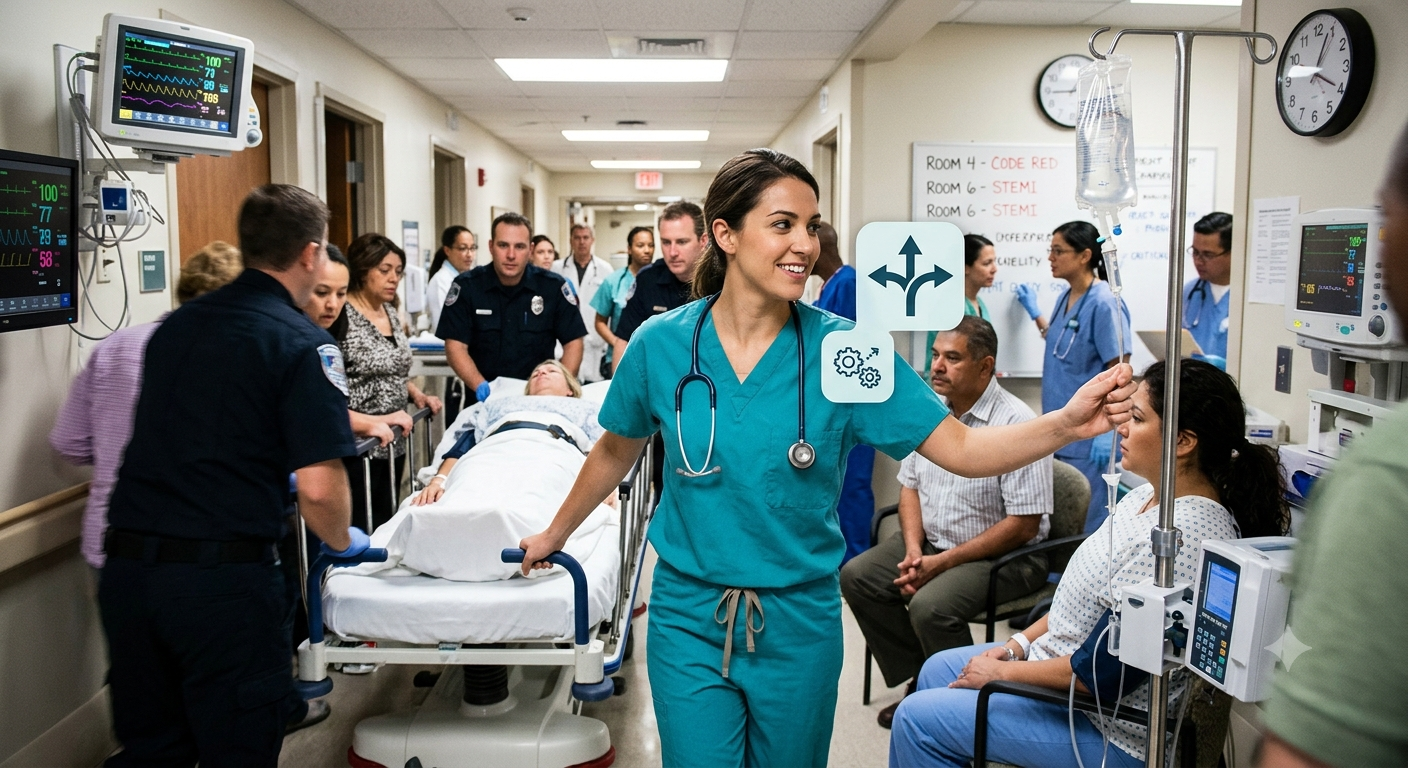
Surgical procedures require careful preparation, coordination, and attention to detail. Behind every successful operation is a multidisciplinary team responsible for preparing the patient, maintaining safety, supporting the procedure, and providing appropriate care afterward.
A surgery nurse can play an important role throughout this process. Depending on the position and healthcare setting, surgical nurses may contribute before, during, and after procedures. Their responsibilities require clinical knowledge, organization, communication, and the ability to work effectively as part of a team.
Preparing Patients Before Surgery
Preparation begins before a patient enters the operating room. Nurses may review relevant information, confirm documentation, assess the patient's condition, and help ensure that required preparations have been completed.
Patients may feel nervous before an operation, particularly when they are uncertain about what will happen. Nurses can provide clear explanations within their professional responsibilities and help patients understand the immediate steps of the process.
Accurate preparation can also help the surgical team identify potential concerns before the procedure begins.
Supporting Surgical Safety
Patient safety is a central priority throughout surgical care. Nurses contribute by following established procedures, maintaining accurate documentation, and communicating important information to other members of the healthcare team.
Attention to detail matters because surgical environments involve many coordinated activities. Equipment, supplies, medications, patient information, and procedural requirements must be managed carefully.
Standardized safety processes help reduce preventable errors and promote consistent care.
Working With the Surgical Team
Surgical care depends on collaboration. Nurses may work with surgeons, anesthesiology professionals, surgical technicians, and other healthcare workers.
Each team member has specific responsibilities, but communication connects those responsibilities.
Nurses may help coordinate information, anticipate team needs, prepare equipment, and communicate changes in the patient's condition.
Respectful teamwork can help create an organized environment where professionals can focus on patient safety.
Maintaining Attention to Detail
The operating environment requires concentration. Nurses may need to monitor equipment, track supplies, document information, and remain alert to changes during procedures.
Attention to detail is especially valuable when working with standardized processes.
A small piece of information can sometimes influence the next step in patient care, which is why accurate documentation and communication are important throughout the surgical experience.
Supporting Patients After Procedures
Nursing responsibilities can continue after surgery. Patients may require monitoring as they recover from anesthesia or transition to another care area.
Nurses may observe vital signs, assess comfort, monitor for changes, provide appropriate education, and communicate relevant information to the next care team.
Postoperative care is an important part of the patient's overall surgical experience.
Building Communication Skills
Patients may have questions before and after surgery. Nurses need to communicate in a manner that is understandable, respectful, and appropriate to the patient's situation.
Family members may also seek information or reassurance, subject to privacy requirements and facility policies.
Strong communication can help reduce confusion and support a more positive patient experience.
Managing the Demands of Surgical Nursing
Surgical environments can be busy and require professionals to remain focused for extended periods. Procedures may vary in length and complexity, and schedules can change.
Good organization helps nurses manage responsibilities effectively.
Professionals can also benefit from maintaining their knowledge of relevant procedures, equipment, safety practices, and clinical standards.
Continuing Education
Healthcare technology and surgical practices continue to develop. Nurses can strengthen their professional capabilities by participating in relevant education and training.
Learning about new equipment, procedures, and evidence-based practices can help professionals remain prepared for changing workplace requirements.
Career Opportunities
Surgical nursing can offer exposure to specialized healthcare environments and multidisciplinary teamwork. Professionals may develop skills that are valuable across different areas of patient care.
The role requires responsibility, concentration, communication, and a strong commitment to patient safety.
For nurses who enjoy structured procedures but also value teamwork and patient interaction, surgical care can be an engaging career path.
Ultimately, effective surgical nursing involves much more than assisting with an operation. It includes preparation, safety, communication, monitoring, coordination, and compassionate patient support.
Frequently Asked Questions
1. What does a surgical nurse do?
Responsibilities can include preparing patients, supporting surgical procedures, maintaining safety standards, documenting care, coordinating with team members, and assisting with postoperative care.
2. Why is teamwork important in surgical care?
Surgical procedures involve multiple professionals with different responsibilities. Effective communication and coordination help the team work toward safe and organized patient care.
3. What qualities are useful for surgical nurses?
Attention to detail, organization, communication, clinical knowledge, concentration, adaptability, and teamwork are valuable qualities.
4. Does surgical nursing involve patient interaction?
Yes. Nurses may interact with patients before procedures, during various stages of care, and throughout recovery.
- Managerial Effectiveness!
- Future and Predictions
- Motivatinal / Inspiring
- Fitness and Wellness
- Medical & Health
- Manufacturing
- Education
- Real-Estate
- Food Industry
- Hospitality
- Online Games
- Sports
- Home Services
- Civil Engineering
- Safety and Protection
- Software Products & Services
- Fashion and Jewellery
- Artificial Intelligence
- Entrepreneurship
- Mentoring & Guidance
- Marketing
- Networking
- HR & Recruiting
- Literature
- Shopping
- Career Management & Advancement