

 SkillClick
Understanding Architect Design Services in Maryland
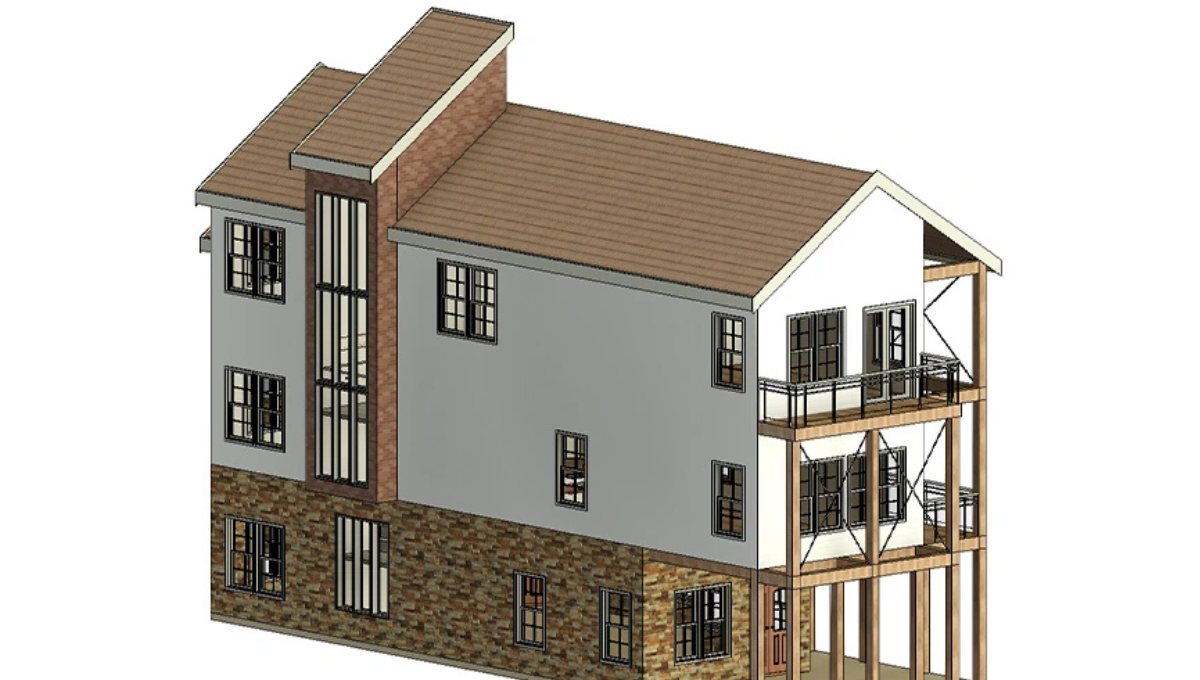
Picture a family that just bought an older home outside Baltimore. They love the location, but the layout feels cramped and the kitchen hasn't changed since the 1980s. They want more space and better light. Where do they start?
This is where architect design services in Maryland come into play. An architect turns a rough idea into a workable plan. You do not need to know how to read blueprints to hire one. You just need to know what the work involves and what to expect.
This article breaks it down in plain terms. You will learn what these services cover, why they matter, and how people across the state use them every day.
What Architect Design Services Actually Cover
An architect is a licensed professional who plans and designs buildings. That includes homes, offices, retail spaces, and larger structures. The job goes beyond drawing pretty pictures.
Most projects move through a few clear phases. Here is the general flow:
-
Talk through the vision. The architect learns what you want and what your budget allows.
-
Create early sketches. These are rough concepts, not final plans.
-
Develop the full design. Measurements, materials, and layouts get locked in.
-
Prepare permit documents. Maryland requires approvals before most construction begins.
-
Support the build. Many architects stay involved while contractors work.
Each phase has a purpose. Skipping one usually leads to delays or surprise costs later.
Key point: Good design saves money before a single wall goes up.
Why Design Work Matters More Than People Think
A weak plan costs more than a strong one. That sounds backward, so here is the reason.
When a design skips important details, contractors have to guess or stop and ask. Every pause adds time. Every change order adds cost. A clear plan removes that friction.
Think of it like a road trip. You do not need to memorize every turn, but you do need a map. A solid architectural plan is that map. It keeps everyone moving in the same direction.
There is also the matter of rules. Maryland has building codes, zoning limits, and permit steps that vary by county. An architect knows how to design within those limits from the start. That alone can prevent a rejected permit application.
The Real Benefits of Hiring an Architect
The value shows up in ways you can measure and ways you can feel.
On the practical side, a good design uses space efficiently. That means fewer wasted square feet and lower building costs. It also means better energy performance, which lowers utility bills over time.
On the human side, design shapes how a space feels. Natural light, room flow, and ceiling height all affect daily comfort. A skilled architect thinks about these details so the finished space works for the people inside it.
There is a caveat worth stating plainly. Hiring an architect is not free, and it adds an early expense. This is not a shortcut. But for larger or complex projects, the upfront cost often pays for itself through fewer mistakes.
Instead of rushing to a contractor with a rough idea, try starting with a design plan. The stronger version gives every trade a clear target, which reduces costly rework.
How This Plays Out in Real Projects
Consider a small business owner opening a café in Annapolis. She needs a layout that fits kitchen equipment, seating, and accessibility rules. A commercial architect in Maryland can map all of that into one plan that also passes inspection.
Now picture a growing company that needs a new office. The team wants open areas for collaboration and quiet rooms for focus. Again, a commercial architect in Maryland balances those needs against the building's structure and code requirements.
Residential work looks different but follows the same logic. A homeowner planning an addition needs the new space to match the existing structure. The design has to account for the roofline, the foundation, and the flow between old and new.
Across these examples, one theme holds. The architect connects what you want with what the site and the rules allow.
Choosing the Right Fit for Your Project
Not every architect suits every job. Some focus on homes. Others specialize in retail, offices, or large commercial builds.
When you compare options, look at past work first. A portfolio tells you more than a sales pitch. Ask to see projects similar to yours in size and type.
Local experience matters too. Firms that work often within Maryland understand county permit quirks and regional building conditions. Established practices such as JR Design Architects LLC are examples of firms that handle projects across the state, though the right choice always depends on your specific needs.
Communication is the last piece. You will work closely with this person for months. Pick someone who explains ideas clearly and answers your questions without jargon.
Bringing It Together
Architect design services turn ideas into buildable plans. They handle the vision, the details, and the code requirements that trip up so many projects.
The payoff is a space that works, costs less to build than a poorly planned one, and lasts. That applies whether you are updating a home or opening a business.
If you have a project in mind, take one concrete step now. Write down your top three goals for the space. That short list becomes the starting point for your first conversation with an architect.
Frequently Asked Questions
How much do architect design services cost in Maryland?
Costs vary by project size and complexity. Many architects charge a percentage of construction cost or a flat fee. Ask for a clear fee structure before you start.
Do I need an architect for a home renovation?
Small cosmetic updates often do not require one. Larger changes, like additions or structural work, usually benefit from professional design and may require it for permits.
What is the difference between an architect and a designer?
An architect is licensed and can stamp drawings for permits. A designer may create concepts but often cannot approve structural or code-related work on their own.
How long does the design phase take?
It depends on the project. A simple home addition might take a few weeks, while a large commercial build can take several months from concept to permit-ready plans.
Does a commercial project need a different type of architect?
Often, yes. Commercial work involves accessibility rules, occupancy codes, and safety standards that differ from residential projects. Many firms have architects who focus on this area.
- Managerial Effectiveness!
- Future and Predictions
- Motivatinal / Inspiring
- Fitness and Wellness
- Medical & Health
- Manufacturing
- Education
- Real-Estate
- Food Industry
- Hospitality
- Online Games
- Sports
- Home Services
- Civil Engineering
- Safety and Protection
- Software Products & Services
- Fashion and Jewellery
- Artificial Intelligence
- Entrepreneurship
- Mentoring & Guidance
- Marketing
- Networking
- HR & Recruiting
- Literature
- Shopping
- Career Management & Advancement