

 SkillClick
AABL Bottling Plant India: What Makes It Reliable?
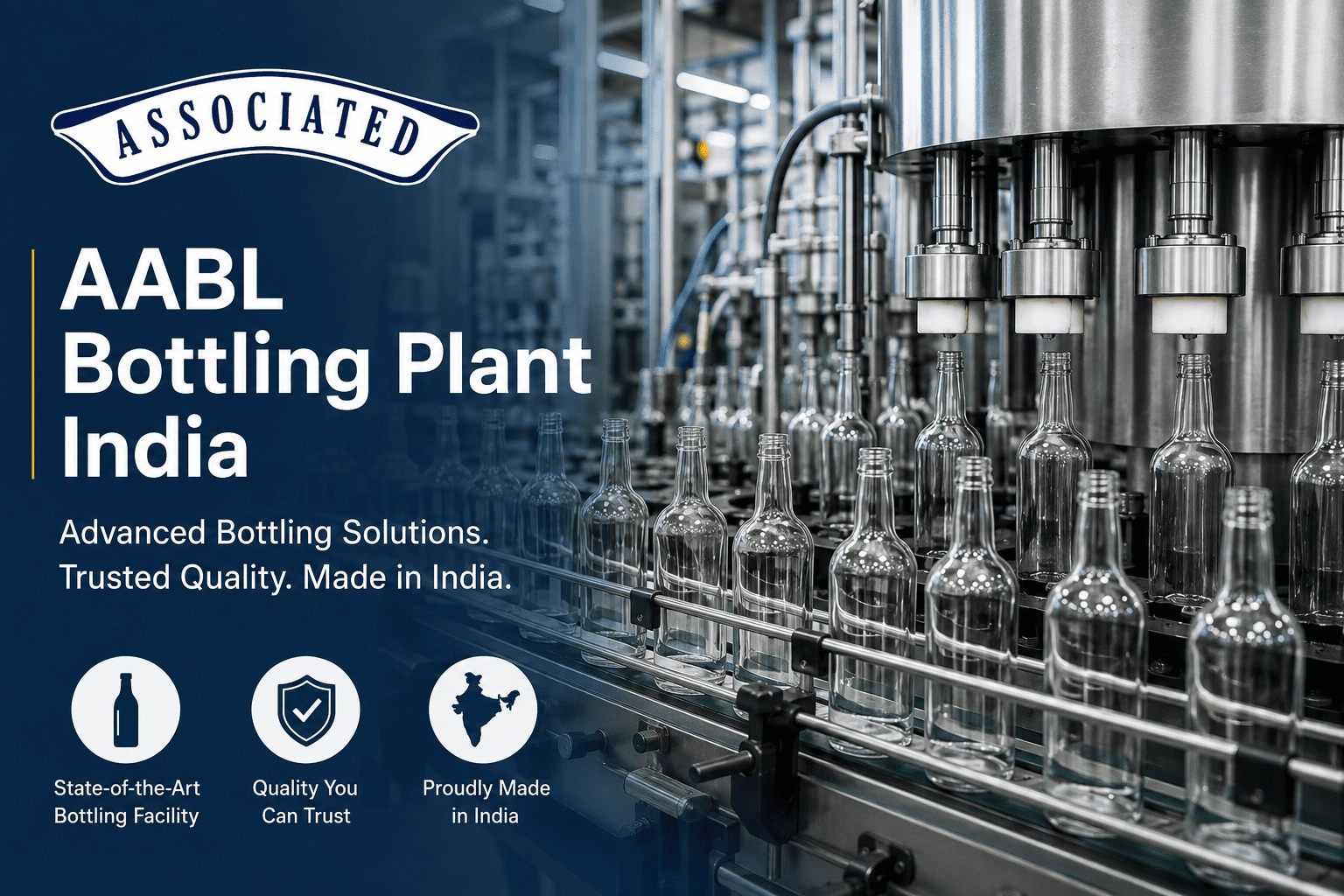
A reliable contract bottler needs three things: licensed capacity, consistent quality control, and the paperwork to prove both. India's alcoholic beverage market crossed roughly ₹5.3 lakh crore in FY26, growing 8–10% year on year. That growth has pushed more brands toward outsourced production, and the AABL bottling plant India model sits right in that shift.
Spirit brands entering India, or scaling inside it, rarely want to build a distillery from scratch. Licensing alone takes months. This piece breaks down how contract bottling works, what quality standards actually matter, and how to evaluate a partner before you sign anything.
What Is Contract Bottling In The Alcohol Industry?
Contract bottling means a licensed distillery produces and bottles alcohol for a brand that doesn't own its own plant. The brand supplies the formulation or specifications; the plant handles distillation, blending, filling, and labelling under its own excise license. This model lets brand owners skip capital-heavy plant construction entirely.
Why Brands Choose This Route
Building a distillery in India involves state excise licensing, environmental clearances, and capital outlay that can run into tens of crores. Contract bottling turns that fixed cost into a variable one. A brand pays per case produced instead of financing idle capacity.
ENA And Grain-Based Production
Most Indian contract bottlers work from Extra Neutral Alcohol, either grain-based or molasses-based. Grain-based ENA has gained ground because it suits premium whisky and vodka profiles better, and several state excise policies now favour grain distillation for its lower environmental footprint.
How Do You Choose A Bottling Partner In India?
Look at licensing coverage, production capacity, and audit history first. A partner should hold valid state excise licenses in the markets you plan to sell in, run FSSAI-registered facilities, and show a track record with recognised brands, not just claims on a website.
Track Record With Established Brands
A plant that already bottles for large, internationally recognised spirit companies has cleared their vendor audits already. That's a shortcut worth checking, because those audits are more thorough than most brands can run on their own.
Capacity And Flexibility
Ask about minimum order quantities, line changeover times, and whether the plant can run multiple SKUs in parallel. A facility with rigid, single-product lines will slow your rollout the moment you want to launch a second variant.
What Quality Standards Should A Liquor Bottling Plant Follow?
A credible bottling plant should hold ISO 9001 certification for quality management, follow HACCP protocols for food safety, and comply with FSSAI and BIS specifications for potable alcohol. These aren't optional extras; several state excise departments now require documented compliance before renewing a bottling license.
Here's what a compliant facility typically has in place:
- FSSAI registration covering the specific bottling operation
- ISO 9001 certification for quality management systems
- HACCP-based process controls for contamination risk
- BIS-aligned testing for alcohol content and purity
- State excise department bottling license, renewed annually
- Batch-level traceability records for every production run
Testing And Traceability
Every batch should carry lab-verified alcohol content, and the plant should retain samples for a defined period after dispatch. This matters most when a brand faces a regulatory query months after a batch has already reached retail.
Environmental Compliance
Distilleries generate effluent, and states increasingly tie license renewal to zero-liquid-discharge or equivalent treatment systems. A facility built around modern bottling infrastructure and compliance-first operations tends to handle this scrutiny with far less disruption to production schedules.
Is Contract Manufacturing Cost-Effective For Spirit Brands?
Yes, for most brands entering a new market or scaling volume, contract manufacturing costs less than building owned capacity. It converts capital expenditure into an operating cost, removes the multi-year timeline for plant construction, and lets a brand redirect that capital toward distribution and marketing instead.
The trade-off is control. A brand gives up some direct oversight of daily production in exchange for speed and lower risk. For most mid-sized brands, that trade works in their favour, especially in the first three to five years of market entry.
Conclusion
Contract bottling has become the practical entry point for spirit brands operating in India, and the AABL bottling plant India example shows why licensing depth and certified quality systems matter more than marketing claims. Brands that check excise coverage, audit history, and compliance documentation before committing avoid costly delays later. As premiumisation reshapes India's alcobev sector, will bottling partners compete mainly on price, or will certified quality become the deciding factor for brand owners?
- Managerial Effectiveness!
- Future and Predictions
- Motivatinal / Inspiring
- Fitness and Wellness
- Medical & Health
- Manufacturing
- Education
- Real-Estate
- Food Industry
- Hospitality
- Online Games
- Sports
- Home Services
- Civil Engineering
- Safety and Protection
- Software Products & Services
- Fashion and Jewellery
- Artificial Intelligence
- Entrepreneurship
- Mentoring & Guidance
- Marketing
- Networking
- HR & Recruiting
- Literature
- Shopping
- Career Management & Advancement