

 SkillClick
How to Manage a Rental Property: A Step-by-Step Guide for Landlords
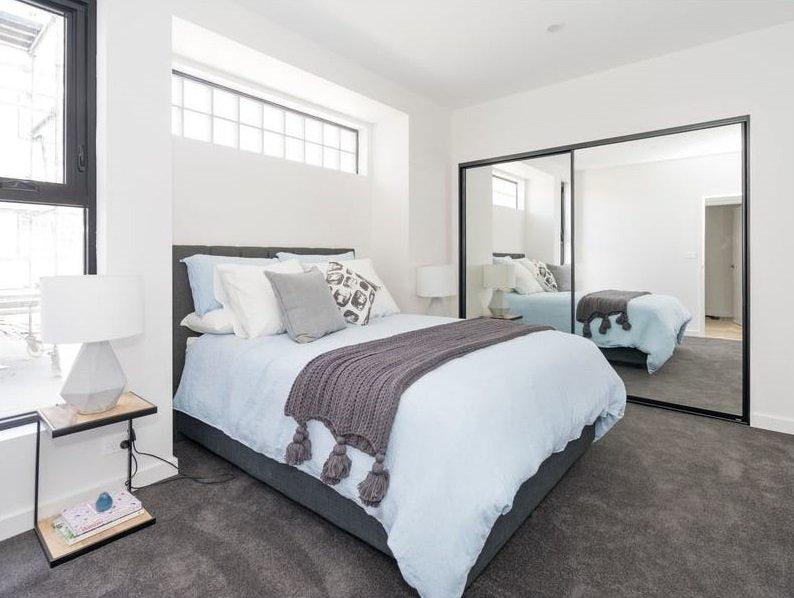
Managing a rental property involves more than collecting rent. Landlords need to find reliable tenants, manage leases, handle maintenance, track payments, and keep important records organized.
With a simple management process, you can save time, reduce problems, and keep your rental property running smoothly.
1. Know Your Legal Responsibilities
Before renting out your property, understand the rental laws that apply in your area. These may cover:
- Rental agreements
- Tenant rights
- Rent increases
- Property inspections
- Repairs and maintenance
- Rental bonds
- Notice periods
Following the rules helps prevent disputes and costly mistakes.
2. Prepare Your Property
Make sure the property is clean, safe, and ready for tenants.
Before move-in:
- Complete necessary repairs
- Check appliances and utilities
- Inspect safety equipment
- Clean the property
- Document the property's condition with photos
Keeping a property condition record can be useful throughout the tenancy.
3. Find the Right Tenants
Create a clear rental listing with the rent, property features, location, and availability.
Review applications carefully and carry out appropriate tenant checks in line with local laws. Choosing suitable tenants can help reduce payment issues and property damage.
4. Set Up a Clear Rental Agreement
Your rental agreement should clearly explain:
- Rent amount and due date
- Lease period
- Bond requirements
- Maintenance responsibilities
- Property rules
- Inspection arrangements
- Ending the tenancy
Always use an agreement that complies with local requirements.
5. Track Rent Payments
Keep accurate records of every payment. Monitor:
- Rent received
- Outstanding payments
- Late payments
- Payment dates
- Receipts
Rental property management software can make this easier by keeping payment information organized in one place.
6. Manage Maintenance
Respond to maintenance requests promptly. Keep records of repairs, invoices, and completed work.
Having trusted tradespeople available for plumbing, electrical work, general repairs, and other services can help you resolve issues faster.
7. Conduct Property Inspections
Regular inspections help identify maintenance problems early.
Check the property's condition, appliances, fixtures, safety equipment, and outdoor areas. Always follow local inspection rules and notice requirements.
8. Communicate With Tenants
Clear communication can prevent many problems.
Give tenants a simple way to contact you about maintenance, payments, emergencies, and other concerns. Keep important conversations and agreements documented.
9. Track Income and Expenses
Keep records of rental income and property expenses, including:
- Repairs
- Maintenance
- Insurance
- Cleaning
- Gardening
- Advertising
- Professional services
Accurate records help you understand your property's financial performance and make accounting easier.
10. Keep Everything Organized
Store rental agreements , inspection reports, maintenance records, payment information, invoices, and tenant documents in an organized system.
For landlords managing several properties, rental property management software can bring these tasks together in one place.
Common Rental Property Management Mistakes
Avoid these common mistakes:
- Delaying maintenance
- Losing track of rent payments
- Missing lease renewal dates
- Poor tenant communication
- Keeping incomplete records
- Managing too many tasks manually
Final Thoughts
Successful rental property management comes down to organization, communication, and consistency .
From rent collection and maintenance to inspections and lease management, having the right processes can make managing a rental property much easier.
If you're managing multiple properties, rental property management software can help centralize your daily tasks and give you better control over your rental portfolio.
FAQs
How do I manage a rental property myself?
Create a system for tenant screening, rent collection, maintenance, inspections, lease management, and record keeping while following your local rental laws.
What is the most important part of rental property management?
Consistent rent tracking, maintenance, tenant communication, inspections, and accurate record keeping are all essential.
Can rental property management software help landlords?
Yes. It can help landlords manage tenants, rent, leases, maintenance, inspections, documents, and reporting from one platform.
- Managerial Effectiveness!
- Future and Predictions
- Motivatinal / Inspiring
- Fitness and Wellness
- Medical & Health
- Manufacturing
- Educación
- Real-Estate
- Food Industry
- Hospitality
- Online Games
- Sports
- Home Services
- Civil Engineering
- Safety and Protection
- Software Products & Services
- Fashion and Jewellery
- Artificial Intelligence
- Entrepreneurship
- Mentoring & Guidance
- Marketing
- Networking
- HR & Recruiting
- Literature
- Shopping
- Career Management & Advancement