

 SkillClick
What Makes Icon Rocklear Coating Different From Other Coatings?
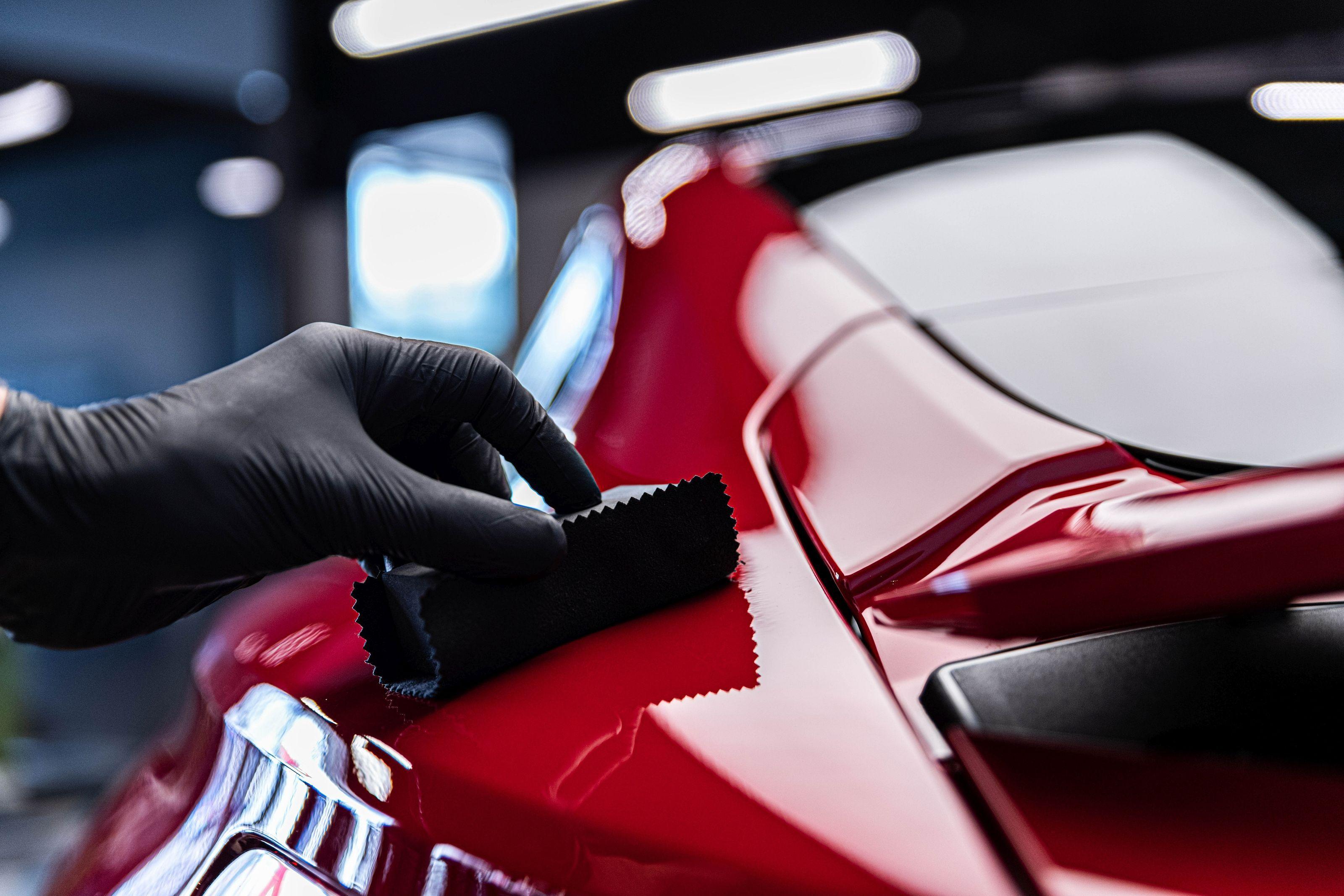
Protecting a vehicle’s paint is important for maintaining its appearance and value over time. Everyday driving exposes paintwork to sunlight, road grime, water spots, dirt, bird droppings, and minor surface contaminants. Traditional waxes and many modern coatings can provide some level of protection, but their performance, durability, and finish can vary significantly. Understanding these differences can help vehicle owners choose a protection solution that matches their needs, driving habits, and long-term expectations.
Understanding Modern Paint Protection
Modern paint protection products are designed to create a protective layer over a vehicle’s painted surfaces. This layer can help reduce the impact of environmental contaminants and make routine cleaning easier. However, not every coating works in the same way or provides the same level of protection. Some products primarily focus on gloss and water repellency, while others are developed with a broader approach to surface protection and long-term paint preservation.
A major consideration is how a coating interacts with the vehicle’s existing paint. Surface preparation, application technique, product composition, and curing all influence the final result. A high-quality protection system should work with properly prepared paint to create a consistent finish. For vehicle owners, this means looking beyond impressive shine and considering how the coating performs during everyday use.
What Sets Icon Rocklear Coating Apart?
Icon Rocklear Coating is designed as a paint protection system that focuses on more than simply creating a glossy or hydrophobic surface. Its approach is intended to provide a durable protective layer while helping preserve the appearance of automotive paint. This distinction is important because paint protection is not only about how a vehicle looks immediately after application. Long-term performance and resistance to everyday environmental exposure also matter.
Another notable difference is the focus on restoring and protecting the paint surface as part of the overall process. Proper preparation can help address certain imperfections before protection is applied, allowing the finished surface to look cleaner and more refined. Instead of treating coating as a simple final step, the process places importance on the condition of the surface and the quality of application.
How It Compares With Traditional Wax
Car wax has been used for decades because it can provide a warm shine and a temporary protective barrier. However, wax generally requires frequent reapplication because environmental exposure gradually reduces its effectiveness. Rain, washing, heat, road contaminants, and regular driving can all contribute to the breakdown of a wax layer.
Paint coatings are generally designed for greater longevity than traditional wax products. They can provide a more persistent protective layer and may reduce the amount of maintenance required between applications. For owners who want a longer-term solution rather than repeatedly applying wax, a professional coating system can be a more practical approach.
Coating Versus Conventional Ceramic Protection
Ceramic coatings have become popular because of their glossy appearance, chemical resistance, and water-repelling characteristics. They can make water bead on the surface and may help reduce the attachment of certain contaminants. However, ceramic coatings are not all identical, and their performance depends on formulation, preparation, installation, and maintenance.
A key difference between protection systems can be the balance between appearance, durability, surface correction, and everyday usability. Some coatings are primarily marketed around hydrophobic performance, while other systems place greater emphasis on creating a durable protective surface. Vehicle owners should therefore evaluate the complete protection process rather than choosing a product based only on water-beading demonstrations.
Benefits Vehicle Owners Can Look For
A quality paint protection system should offer practical advantages that make vehicle ownership easier. While results can depend on the vehicle, paint condition, application, and maintenance routine, professional coating systems can provide several useful benefits.
- Helps protect painted surfaces from everyday environmental exposure.
- Can make routine washing and cleaning more manageable.
- Helps maintain a cleaner and more polished appearance.
- Provides a durable protective layer over properly prepared paint.
- Can support long-term paint maintenance when correctly cared for.
- May help reduce the need for frequent traditional protection applications.
These benefits are especially useful for people who drive regularly or keep their vehicles outdoors. However, no coating should be viewed as an invisible shield against every type of damage. Proper washing, maintenance, and realistic expectations remain important for preserving the finish.
Why Professional Application Matters
Even an advanced coating can deliver disappointing results if the surface is not prepared correctly. Paint may contain oxidation, stains, contamination, swirl marks, or other imperfections that can become more noticeable after a protective product is applied. Professional preparation helps create a cleaner foundation for the coating and can contribute to a more consistent final appearance.
Application technique also matters because coatings need to be distributed properly across the surface. Uneven application, insufficient preparation, or incorrect curing conditions can affect the final finish. Choosing an experienced installer can therefore be just as important as selecting the protection product itself.
Is Paint Coating Worth It?
The value of a coating depends on how a vehicle is used and what the owner expects from paint protection. Someone who enjoys maintaining a vehicle and wants easier cleaning may appreciate the benefits of a durable coating. Likewise, owners who want to preserve a newer vehicle’s appearance may see value in adding protection before extensive environmental exposure occurs.
It is also important to understand that coatings do not eliminate the need for vehicle care. Regular washing with appropriate products, avoiding harsh cleaning methods, and addressing contaminants promptly can help maintain the coating and the paint beneath it. A good protection system works best as part of a consistent maintenance routine.
Making the Right Paint Protection Choice
Choosing between wax, ceramic coating, paint protection film, and other surface protection options requires consideration of durability, appearance, maintenance, budget, and driving conditions. No single solution is ideal for every vehicle or owner. The most suitable choice should provide protection that matches how the vehicle is driven and maintained.
For those considering a professional coating, it is helpful to ask about preparation requirements, expected performance, maintenance recommendations, warranty coverage, and application procedures. Looking at the complete system rather than focusing on one feature can make the decision easier and help ensure that the selected protection meets realistic expectations.
Final Thoughts
Paint protection is an investment in maintaining a vehicle’s appearance and reducing the effects of everyday environmental exposure. What makes advanced coating systems different is not simply the shine they provide, but how they combine surface preparation, protective performance, durability, and maintenance benefits. Understanding these factors allows vehicle owners to make a more informed decision and choose a solution designed for their particular needs. With proper application and regular care, a quality coating can become an important part of a vehicle’s long-term paint maintenance strategy.
- Managerial Effectiveness!
- Future and Predictions
- Motivatinal / Inspiring
- Fitness and Wellness
- Medical & Health
- Manufacturing
- Education
- Real-Estate
- Food Industry
- Hospitality
- Online Games
- Sports
- Home Services
- Civil Engineering
- Safety and Protection
- Software Products & Services
- Fashion and Jewellery
- Artificial Intelligence
- Entrepreneurship
- Mentoring & Guidance
- Marketing
- Networking
- HR & Recruiting
- Literature
- Shopping
- Career Management & Advancement