

 SkillClick
India’s Apparel and Footwear Choices Evolve with Digital Retail
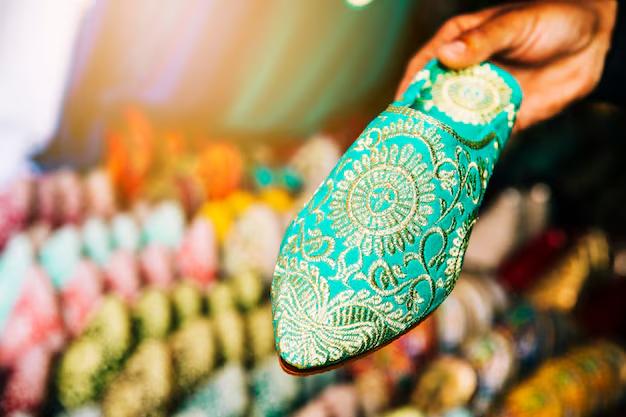
India’s apparel and footwear landscape is changing as consumers increasingly combine fashion, comfort, affordability, convenience, and brand preferences when making purchasing decisions. Rising digital adoption, organized retail expansion, growing fashion awareness, and the emergence of new consumer segments are encouraging brands to rethink products, distribution models, and customer experiences.
A recent study by MarkNtel Advisors states that the India apparel & footwear sector was valued at USD 64 billion in 2025 and is projected to grow from USD 69 billion in 2026 to USD 112 billion by 2032, registering a CAGR of 8.4% during 2026–2032. The sector’s development is being influenced by rising consumer spending, digital commerce, organized retail expansion, changing fashion preferences, and growing demand across apparel and footwear categories.
Digital Shopping Expands Consumer Access
Online shopping is becoming an important channel for fashion purchases in India. Consumers can compare products, explore brands, check reviews, and purchase apparel and footwear through websites and mobile applications. Bain & Company reports that more than 175 million Indians were shopping for lifestyle products online, with the e-lifestyle segment expected to expand substantially through 2028. Its research on India’s online fashion and lifestyle shoppers highlights the growing importance of digital channels for fashion brands.
This expansion is helping retailers reach consumers beyond major metropolitan areas while giving brands more opportunities to understand shopping behavior and personalize digital experiences.
Organized Retail Strengthens Brand Visibility
Physical retail continues to play an important role despite the expansion of online shopping. Apparel and footwear often require consumers to evaluate fit, comfort, material, sizing, design, and quality before making a purchase.
Organized retailers are therefore expanding their physical presence while connecting stores with digital channels. In the first half of 2026, fashion and apparel accounted for around 40% of organized retail leasing in India, with retailers also expanding into Tier-II locations. The latest retail-leasing analysis highlights the continued expansion of fashion, department stores, and athleisure retailers.
Tier-II and Tier-III Cities Create Opportunities
Consumer growth is increasingly spreading beyond India’s largest cities. Rising incomes, better connectivity, expanding organized retail, and digital adoption are creating new opportunities for apparel and footwear brands in emerging locations.
Brands are responding by opening stores in developing cities while using online platforms to reach consumers where physical distribution remains limited. This combination allows companies to build awareness across a wider geographic area and serve customers through multiple purchasing channels.
Fashion Preferences Become More Diverse
Indian consumers are becoming more diverse in their clothing and footwear preferences. Traditional wear continues to hold importance, while western wear, casual clothing, athleisure, sportswear, occasion wear, and premium fashion are gaining attention among different consumer groups.
Younger consumers are particularly influenced by social media, entertainment, celebrities, influencers, and global fashion trends. This is encouraging brands to introduce collections more frequently and respond quickly to changing preferences.
Athleisure Gains Wider Acceptance
The growing overlap between sportswear and everyday clothing is creating opportunities for athleisure products. Consumers increasingly seek clothing and footwear that can transition between casual activities, travel, fitness, and daily routines.
Comfort, lightweight materials, functional designs, and versatile styling are becoming important product attributes. The expansion of athleisure retailers across organized shopping destinations also reflects increasing consumer interest in products that combine performance and everyday fashion.
E-Commerce and Physical Stores Work Together
The relationship between online and offline retail is becoming increasingly interconnected. Consumers may discover a product online, visit a store to evaluate it, and complete the purchase through a digital channel—or follow the reverse journey.
This is encouraging retailers to develop omnichannel strategies that connect websites, mobile applications, stores, inventory systems, payments, and customer service. Such integration can make the purchasing process more convenient while helping retailers maintain consistent customer experiences across channels.
Personalization Improves Customer Engagement
Digital platforms provide apparel and footwear brands with information about browsing patterns, purchase histories, preferences, and product interactions. Brands can use these insights to personalize recommendations, promotions, product displays, and marketing communication.
Artificial intelligence can further support personalized shopping by analyzing customer behavior and identifying products that may be relevant to individual consumers. AI-enabled tools can also assist with demand forecasting, merchandising, customer service, and product development.
Supply Chains Become More Responsive
Fashion demand can change quickly, making supply-chain flexibility increasingly important. Brands need to coordinate sourcing, manufacturing, inventory, warehousing, and distribution to respond to changing consumer preferences.
Digital inventory-management systems can provide better visibility across stores and warehouses, while analytics can help companies forecast demand and identify products that may require additional stock.
More responsive supply chains can also help reduce excess inventory and improve product availability, particularly for fast-changing fashion categories.
Sustainability Gains Attention
Sustainability is becoming a more visible consideration across apparel and footwear. Consumers and brands are increasingly discussing responsible sourcing, material efficiency, recycling, product durability, and waste reduction.
Companies are exploring recycled fibers, improved manufacturing processes, responsible sourcing programs, and more efficient packaging. Although adoption varies across brands and product categories, environmental considerations are increasingly becoming part of longer-term product and supply-chain strategies.
Footwear Expands Through Lifestyle Categories
India’s footwear segment is becoming more diverse as consumers purchase products for sports, travel, casual wear, work, and specialized activities.
Sneakers, athletic footwear, sandals, formal shoes, and comfort-focused products address different consumer requirements. Product innovation around cushioning, lightweight construction, durability, and design can help brands differentiate themselves while addressing increasingly varied lifestyles.
Social Media Influences Fashion Discovery
Social media platforms are becoming important channels for fashion discovery and brand engagement. Consumers can encounter new products through creators, influencers, short-form videos, brand campaigns, and online communities.
This is encouraging fashion companies to invest in digital storytelling and influencer-led marketing. Social platforms can also shorten the path between product discovery and purchase by connecting content with digital retail channels.
Premium and Value Segments Both Expand
The Indian apparel and footwear landscape accommodates consumers with different purchasing power and preferences. Value-oriented fashion continues to attract price-conscious shoppers, while premium and luxury brands are expanding their presence among higher-income consumers.
This creates opportunities across multiple price points, allowing brands to differentiate through affordability, quality, design, exclusivity, functionality, or customer experience.
Future Development Remains Consumer-Driven
The India apparel and footwear sector is developing alongside digital commerce, organized retail expansion, changing fashion preferences, social-media influence, omnichannel shopping, sustainability initiatives, and rising consumption across emerging cities. The projected increase from USD 69 billion in 2026 to USD 112 billion by 2032 indicates continued opportunities across apparel, footwear, sportswear, casual fashion, traditional wear, and premium categories.
Future development is likely to remain connected with e-commerce, physical retail expansion, personalized shopping, athleisure, digital marketing, responsive supply chains, sustainable materials, and emerging-city consumption. As Indian consumers increasingly seek greater choice, convenience, comfort, and value, apparel and footwear brands are expected to continue adapting their products and retail strategies to meet evolving expectations.
- Managerial Effectiveness!
- Future and Predictions
- Motivatinal / Inspiring
- Fitness and Wellness
- Medical & Health
- Manufacturing
- Education
- Real-Estate
- Food Industry
- Hospitality
- Online Games
- Sports
- Home Services
- Civil Engineering
- Safety and Protection
- Software Products & Services
- Fashion and Jewellery
- Artificial Intelligence
- Entrepreneurship
- Mentoring & Guidance
- Marketing
- Networking
- HR & Recruiting
- Literature
- Shopping
- Career Management & Advancement