

 SkillClick
United Kingdom Agricultural Microbials Gain Ground as Sustainable Farming Priorities Evolve
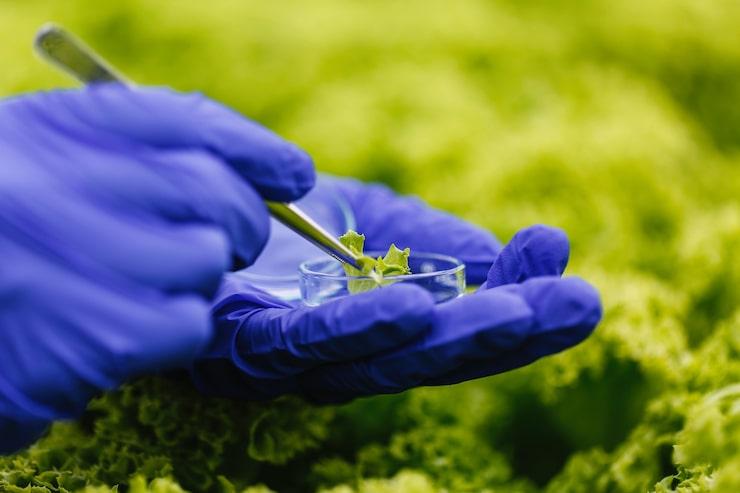
The United Kingdom’s agricultural sector is increasingly incorporating microbial-based solutions as farmers and growers respond to sustainability objectives, soil-health considerations, crop protection challenges, and changing input requirements. Agricultural microbials include bacteria, fungi, algae, cyanobacteria, and other microorganisms used through biopesticides, biofertilizers, biostimulants, and microbial soil amendments across different farming systems.
According to a United Kingdom agricultural microbial industry report, the sector was valued at USD 311 million in 2025 and is projected to reach USD 369 million in 2026 and USD 599 million by 2032, representing a CAGR of 8.4% during 2026–2032. Bacteria account for approximately 48% of the sector, while liquid formulations represent around 44%, highlighting the importance of microbial technologies that can integrate with established agricultural application systems.
Sustainable Farming Policies Support Biological Inputs
The increasing relevance of agricultural microbials is closely connected with the UK’s broader focus on sustainable pest, disease, and soil management. Integrated Pest Management (IPM) encourages farmers to use a combination of approaches rather than relying on a single crop-protection method. The UK Government’s integrated pest management guidance describes IPM as a sustainable approach to managing pests, weeds, and diseases while supporting healthy crops.
The policy environment is also becoming more supportive of lower-risk biological alternatives. The UK Pesticides National Action Plan 2025 identifies biopesticides, including microbial products based on bacteria, fungi, and viruses, as an area of development and highlights their potential contribution to integrated pest management.
Organic Farming Creates Additional Demand
The expansion of organic agriculture provides another important pathway for microbial adoption. Organic production systems place greater restrictions on synthetic inputs, increasing the relevance of biological alternatives such as microbial inoculants, biofertilizers, and biopesticides.
The sector study indicates that the UK had 461 thousand hectares of fully organic land in 2025, while another 79 thousand hectares were undergoing conversion. This conversion pipeline can create additional demand for biological inputs as more agricultural land moves toward certified organic production.
Microbial products can also fit into broader soil-management strategies. Biofertilizers may support nutrient availability, while microbial amendments can be used to influence soil biological activity. However, performance can vary according to soil characteristics, crop type, environmental conditions, formulation, and application practices.
Bacteria Maintain a Leading Position
Bacteria represented approximately 48% of the UK agricultural microbial sector in 2026. Their leading position reflects their use across several agricultural functions, including crop protection, plant nutrition, and growth promotion.
Bacterial products can be incorporated through different application methods, including soil treatment, foliar spray, and seed treatment. Their versatility makes them relevant to both conventional and organic farming systems, although the suitability of a particular microorganism depends on the intended agricultural function and field conditions.
Regulatory requirements also play an important role in determining how microbial products reach growers. The Health and Safety Executive’s biopesticide guidance explains that microbial products used as plant protection products must meet specific safety and efficacy requirements before approval.
Liquid Formulations Fit Existing Farm Practices
Liquid formulations account for approximately 44% of the sector, making them the leading formulation type. Their position is supported by compatibility with established spraying and fertigation infrastructure, allowing growers to incorporate microbial products without necessarily requiring entirely new application equipment.
This compatibility can be particularly relevant as farms adopt precision application and more targeted input-management practices. Liquid microbial formulations can be delivered through existing systems, although storage stability, microbial viability, compatibility with other inputs, and application timing remain important considerations.
Climate Pressure Encourages Biological Innovation
Changing weather conditions are creating additional interest in microbial biostimulants and other biological solutions that may support crop resilience. The sector study identifies increasing drought and heat pressure as an emerging factor influencing demand for microbial products designed to support plant performance under environmental stress.
The potential role of microbial technologies in climate adaptation remains dependent on field evidence. Product effectiveness can differ across crops and growing conditions, making field validation and formulation development important for wider adoption.
Formulation Stability Remains a Challenge
Despite growing interest, microbial products face technical and commercial challenges. Microorganisms are living biological materials, meaning their viability can be affected by storage conditions, temperature, moisture, formulation composition, and transport. These characteristics can make product stability more complex than for conventional chemical inputs.
The HSE guidance on microbial pesticides notes that microbial plant-protection products require specific evaluation because microorganisms differ fundamentally from chemical active substances. This makes formulation science, shelf-life management, and regulatory compliance important areas for continued development.
Microbials Become Part of Integrated Agricultural Systems
The UK agricultural microbial sector is developing alongside changes in organic farming, sustainable crop protection, soil management, and agricultural innovation. Bacterial products and liquid formulations currently hold leading positions, while biopesticides, biofertilizers, biostimulants, and microbial soil amendments provide a broader range of biological options.
Future adoption is likely to depend on consistent field performance, formulation stability, regulatory approval, farmer awareness, and compatibility with existing farm practices. Rather than operating as a standalone replacement for conventional agricultural inputs, microbial technologies are increasingly becoming part of integrated farming systems that combine biological, agronomic, and technology-based approaches.
- Managerial Effectiveness!
- Future and Predictions
- Motivatinal / Inspiring
- Fitness and Wellness
- Medical & Health
- Manufacturing
- Education
- Real-Estate
- Food Industry
- Hospitality
- Online Games
- Sports
- Home Services
- Civil Engineering
- Safety and Protection
- Software Products & Services
- Fashion and Jewellery
- Artificial Intelligence
- Entrepreneurship
- Mentoring & Guidance
- Marketing
- Networking
- HR & Recruiting
- Literature
- Shopping
- Career Management & Advancement