

 SkillClick
Saudi Arabia Pools Embrace Better Water Quality Management
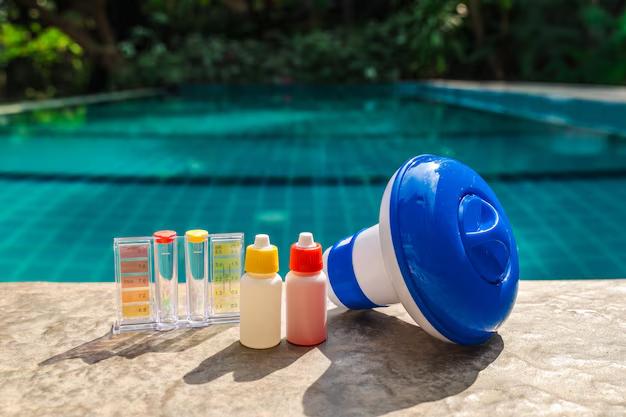
Swimming pools are becoming an increasingly important part of residential communities, hotels, resorts, sports facilities, wellness centers, and recreational developments across Saudi Arabia. Maintaining clean and balanced pool water requires regular monitoring and treatment to control microorganisms, manage water chemistry, and protect pool infrastructure. As recreational and hospitality facilities expand, reliable pool-care products and professional maintenance practices are gaining greater importance.
A recent study by MarkNtel Advisors states that the Saudi Arabia swimming pool chemicals sector was valued at USD 27.29 million in 2025 and is projected to reach USD 29.38 million in 2026 and USD 39.18 million by 2032, registering a CAGR of 4.91% during 2026–2032. The category’s development is being influenced by recreational infrastructure, hospitality projects, residential pools, water-quality requirements, disinfection needs, and increasing attention to regular pool maintenance.
Hospitality Development Supports Pool Maintenance
Hotels, resorts, serviced residences, and leisure facilities frequently incorporate swimming pools as part of their guest amenities. Saudi Arabia’s expanding hospitality infrastructure is therefore creating ongoing requirements for water-treatment products and pool-maintenance services.
Pool operators need to maintain suitable water conditions throughout periods of frequent use. Regular treatment can support disinfection while helping maintain balanced water chemistry. This creates recurring demand for treatment products and professional maintenance services.
Residential Pools Create Consistent Demand
Private swimming pools are also contributing to demand for pool chemicals. Residential developments with individual or shared pools require routine cleaning, testing, filtration, and chemical balancing to maintain suitable water conditions.
Homeowners and facility managers may use disinfectants, pH adjusters, algaecides, clarifiers, and other maintenance products depending on pool conditions. Professional service providers can also manage chemical dosing, cleaning, equipment inspections, and preventive maintenance.
Disinfection Remains a Core Requirement
Disinfection is one of the most important aspects of pool maintenance because swimming pools can receive organic contaminants from bathers and the surrounding environment. Chlorine-based products are widely used to control microorganisms in appropriately managed pool systems.
Saudi Arabia’s Ministry of Health emphasizes infection-prevention practices for therapeutic pools. Its official infection-prevention guidance recommends regular cleaning and disinfection of hydrotherapy pools, equipment, surfaces, drains, and related areas.
These practices highlight the importance of consistent pool hygiene and appropriate treatment procedures.
Saudi Standards Guide Pool Infrastructure
Swimming-pool development is also supported by specific technical requirements. The Saudi Building Code includes the Saudi Swimming Pool and Spa Code, SBC 1401, covering the design, construction, modification, repair, and maintenance of aquatic recreation facilities.
The Saudi Swimming Pool and Spa Code includes dedicated sections covering water supply, sanitizing and oxidation equipment, chemical feeders, safety features, and other pool-related requirements.
This creates a structured environment for pool operators and facility developers to consider water-treatment equipment and chemical-management systems during planning and operation.
pH Management Improves Water Balance
Maintaining appropriate pH is important because water chemistry can influence disinfection performance, swimmer comfort, and the condition of pool equipment and surfaces. Pool operators can use pH-adjustment products to correct water that becomes excessively acidic or alkaline.
Saudi Arabia’s official water-quality standards identify pH as an important parameter in water management. The updated Saudi standards for unbottled drinking water specify a pH range of 6.5–8.5 for the referenced drinking-water standard and discuss chlorine as an important disinfectant for drinking water and swimming pools.
While drinking-water standards should not be treated as swimming-pool operating limits, they demonstrate the broader importance of pH and disinfection controls in water management.
Water Testing Supports Consistent Treatment
Regular testing allows pool operators to identify changes in chemical conditions before they become larger maintenance problems. Parameters such as pH, disinfectant levels, clarity, and other water-quality indicators can help determine whether corrective treatment is required.
Consistent monitoring can also help operators avoid unnecessary chemical use while maintaining required treatment performance. Commercial facilities may use scheduled testing, digital monitoring systems, and professional maintenance services to improve operational consistency.
Hotels and Resorts Raise Quality Expectations
Hospitality properties typically need consistent pool conditions because swimming facilities can influence guest satisfaction. Hotels and resorts may operate multiple pools, including recreational pools, children's pools, infinity pools, and wellness facilities.
These environments require organized maintenance schedules covering filtration, cleaning, chemical testing, dosing, and equipment inspection. Reliable treatment products can help operators maintain suitable conditions while reducing operational interruptions.
Algae Control Creates Additional Applications
Warm temperatures and exposure to sunlight can encourage algae growth when water treatment and circulation are not properly maintained. Algaecides and appropriate disinfection programs can help control unwanted biological growth.
Pool operators may combine chemical treatment with filtration, circulation, brushing, and regular cleaning. Maintaining appropriate water balance can also support overall treatment performance and help reduce conditions that encourage algae development.
Climate Conditions Influence Pool Care
Saudi Arabia’s hot and dry climate creates additional operational considerations for swimming-pool facilities. High temperatures, intense sunlight, evaporation, dust, and outdoor exposure can influence water chemistry and maintenance requirements.
Outdoor pools may require frequent monitoring and cleaning because evaporation can change chemical concentrations while dust and other contaminants can enter the water. Operators can respond through appropriate testing, filtration, water replacement, and controlled chemical dosing.
Professional Services Improve Maintenance
As the number of commercial and residential pools increases, professional maintenance companies can play an important role in managing water treatment. Service providers can perform testing, cleaning, chemical dosing, equipment inspections, and preventive maintenance.
Professional services can be particularly valuable for hotels, resorts, sports centers, residential compounds, and facilities operating several pools simultaneously. Automated dosing and monitoring technologies can further improve consistency and reduce manual intervention.
Product Safety Remains Important
Pool chemicals need to be stored, transported, and handled carefully. Operators should follow manufacturer instructions and maintain appropriate separation of incompatible chemicals. Protective equipment, ventilation, labeling, staff training, and emergency procedures can help reduce risks associated with chemical handling.
Saudi Arabia also maintains specific controls around chemical management. The Saudi Food and Drug Authority provides official regulations concerning chemical imports, while Saudi authorities maintain requirements covering prohibited and restricted chemical substances.
Future Growth Remains Recreation-Focused
Saudi Arabia’s swimming pool chemicals sector is developing alongside hospitality expansion, residential construction, recreational facilities, wellness services, and increasing attention to water-quality management. The projected increase from USD 29.38 million in 2026 to USD 39.18 million by 2032 indicates continued opportunities across residential and commercial pool applications.
Future development is likely to remain connected with chlorine-based disinfection, pH adjustment, algae control, water testing, automated dosing, professional maintenance, and improved pool-management practices. As Saudi Arabia continues developing hospitality and recreational infrastructure, reliable water-treatment solutions are expected to remain an important part of maintaining clean, balanced, and well-managed swimming facilities.
- Managerial Effectiveness!
- Future and Predictions
- Motivatinal / Inspiring
- Fitness and Wellness
- Medical & Health
- Manufacturing
- Education
- Real-Estate
- Food Industry
- Hospitality
- Online Games
- Sports
- Home Services
- Civil Engineering
- Safety and Protection
- Software Products & Services
- Fashion and Jewellery
- Artificial Intelligence
- Entrepreneurship
- Mentoring & Guidance
- Marketing
- Networking
- HR & Recruiting
- Literature
- Shopping
- Career Management & Advancement