

 SkillClick
How to Choose the Right Fire Extinguisher Based on Fire Classes
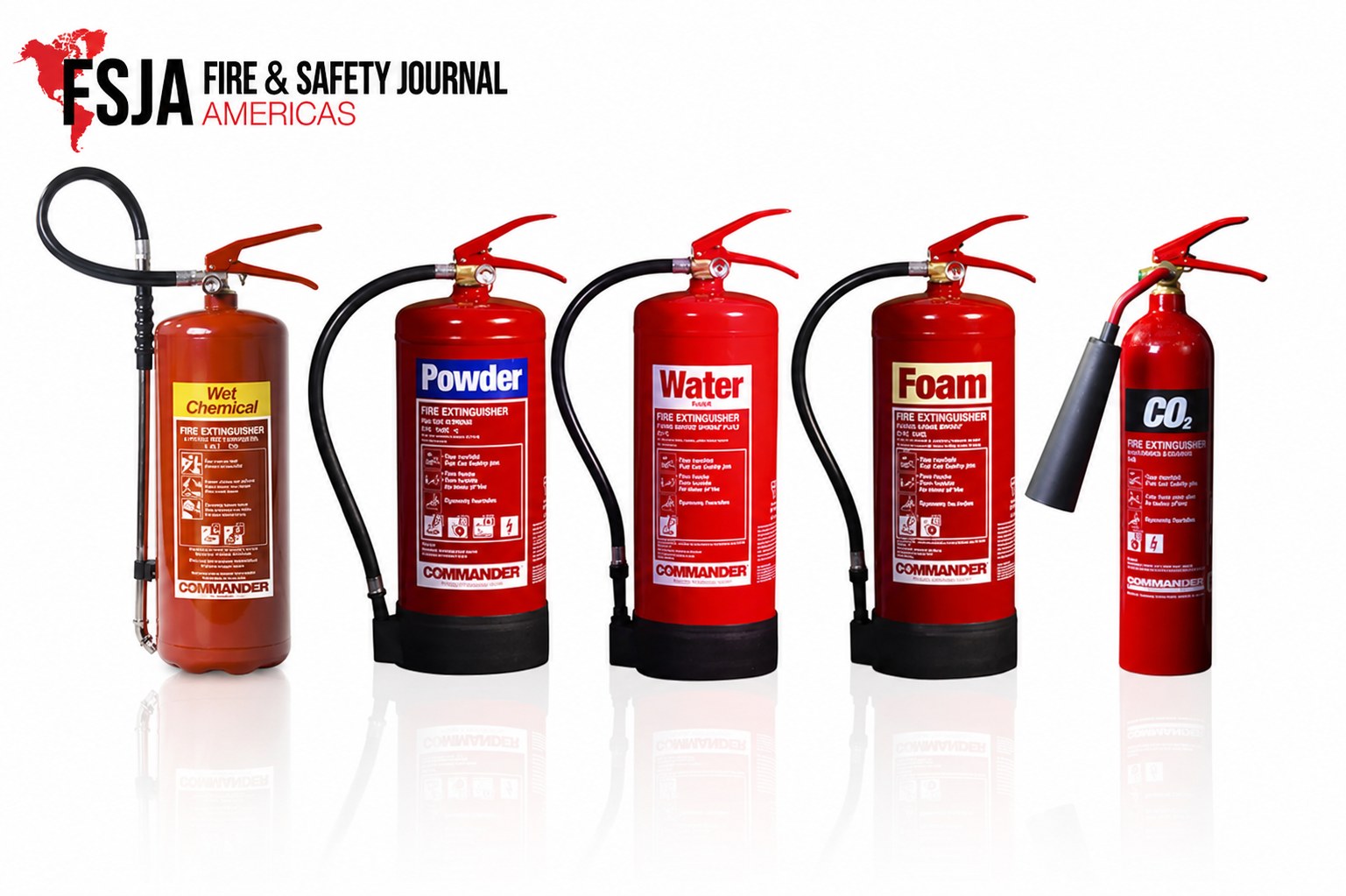
Choosing the right fire extinguisher is an important part of fire safety. Different fires involve different fuels, so an extinguisher designed for one type of fire may not be suitable for another. Using the wrong extinguishing agent can fail to control the flames and may create additional hazards.
Homes, offices, workshops, commercial kitchens, laboratories, and industrial facilities can all have different fire risks. Understanding the type of fire that could occur in a particular location makes it easier to select suitable fire protection equipment and respond appropriately during an emergency.
Why Choosing the Right Fire Extinguisher Matters
Fire extinguishers contain agents designed to work against particular types of fuel. Water, for example, can cool ordinary combustible materials but is not suitable for every fire. Similarly, an extinguisher intended for electrical equipment may not be appropriate for a cooking-oil fire.
Selecting the right equipment helps reduce the risk of using an ineffective extinguishing method. It also allows workplaces and property owners to prepare for the specific hazards present in their environment.
For example, an office may have paper, furniture, and electrical equipment, while a restaurant may have cooking oils and grease. A manufacturing facility may also handle flammable liquids or combustible metals. Each setting requires consideration of its individual fire hazards.
Understanding Fire Classes
Understanding fire extinguisher classes is essential when selecting suitable fire protection equipment. In the U.S. classification system, fires are generally divided into Class A, B, C, D, and K based on the fuel involved.
Class A covers ordinary combustible materials, Class B involves flammable liquids, Class C relates to energized electrical equipment, Class D covers combustible metals, and Class K involves cooking oils and fats.
Some extinguishers are designed for multiple classes. An ABC extinguisher, for example, is rated for Class A, B, and C hazards. The label on the extinguisher identifies the types of fires for which it has been tested and rated.
Class A Fires: Ordinary Combustible Materials
Class A fires involve ordinary combustible materials such as:
-
Wood
-
Paper
-
Cardboard
-
Cloth
-
Rubber
-
Certain plastics
These materials are common in homes, offices, schools, warehouses, and storage facilities.
Water is commonly suitable for Class A fires because it cools the burning material and helps reduce the likelihood of continued combustion. Some foam and dry chemical extinguishers may also carry Class A ratings.
For example, if cardboard packaging catches fire in a storage room, an appropriately rated extinguisher may be suitable if the fire is small, contained, and there is a clear escape route.
Class B Fires: Flammable Liquids
Class B fires involve flammable or combustible liquids. Common examples include:
-
Gasoline
-
Diesel fuel
-
Paints
-
Solvents
-
Certain oils
Water is generally unsuitable for these fires because it can cause burning liquid to spread across a surface.
Depending on the specific hazard and extinguisher rating, dry chemical, foam, or carbon dioxide extinguishing agents may be appropriate. A workshop that stores solvents, for example, should have fire protection equipment selected according to the materials present.
Class C Fires: Electrical Equipment
Under the U.S. classification system, Class C fires involve energized electrical equipment. Examples include:
-
Electrical panels
-
Computers
-
Appliances
-
Machinery
-
Wiring
The extinguisher used for this type of hazard must be suitable for energized electrical equipment. Carbon dioxide and certain dry chemical extinguishers commonly carry Class C ratings.
If the electrical supply can be safely disconnected, removing the power source may eliminate the electrical hazard. However, no one should put themselves at risk attempting to reach an electrical panel or equipment during a developing fire.
Class D Fires: Combustible Metals
Class D fires involve combustible metals such as magnesium, titanium, sodium, and potassium. These hazards are more commonly found in specialized environments, including laboratories, manufacturing facilities, machining operations, and metal-processing plants.
These fires require specialized extinguishing agents selected for the particular metal involved. A standard household or multipurpose extinguisher should not automatically be used because it may not be effective for the specific material.
Facilities handling combustible metals should identify the particular metals present and provide suitable fire protection equipment based on those hazards.
Class K Fires: Cooking Oils and Fats
Class K fires involve cooking oils and fats, particularly in commercial kitchens and deep-fat fryers.
Water should never be poured onto burning cooking oil. When water contacts extremely hot oil, it can rapidly turn into steam and cause burning oil to splash or spread, potentially making the fire much more dangerous.
Wet chemical extinguishers are specifically designed for Class K hazards. They help cool the cooking medium and create a layer that suppresses flames and reduces the chance of re-ignition.
Restaurants, hotels, cafeterias, and institutional kitchens should pay particular attention to cooking-oil fire hazards.
How to Match an Extinguisher to the Fire Class
Matching an extinguisher to a fire begins by identifying the material that is burning. Each fire class has specific extinguishing agents designed to control its fuel source.
-
Class A: Used for ordinary combustibles such as wood, paper, cardboard, and cloth. Water, foam, and certain dry chemical extinguishers may be suitable.
-
Class B: Used for flammable liquids such as gasoline, solvents, paints, and oils. Dry chemical, foam, or carbon dioxide extinguishers may be appropriate depending on the hazard.
-
Class C: Used for energized electrical equipment. Dry chemical and carbon dioxide extinguishers are commonly rated for these hazards.
-
Class D: Used for combustible metals such as magnesium and titanium. Specialized dry powder agents are required.
-
Class K: Used for cooking oils and fats, particularly in commercial kitchens. Wet chemical extinguishers are designed for these fires.
Always check the extinguisher label and manufacturer's instructions before use, as specific applications may require specialized equipment.
What to Consider Before Choosing a Fire Extinguisher
Selecting an extinguisher requires more than simply purchasing a general-purpose model. Consider the specific hazards and conditions of the location.
-
Identify potential fuels: Determine which materials, liquids, equipment, or metals could catch fire.
-
Check the extinguisher rating: Read the label to confirm the types of fires it is designed to handle.
-
Consider the environment: Kitchens, garages, offices, laboratories, and factories may require different protection.
-
Choose specialized equipment when needed: Certain hazards require specific extinguishing agents.
-
Check accessibility: Extinguishers should be easy to locate and reach.
-
Maintain the equipment: Extinguishers should be inspected and maintained according to applicable requirements.
-
Consider training: Employees who may be expected to use extinguishers should receive appropriate instruction.
An ABC extinguisher can provide broad protection in many general environments, but it should not automatically be considered suitable for specialized hazards such as cooking oils or combustible metals.
Common Fire Extinguisher Selection Mistakes
Choosing an extinguisher without understanding the fire hazard can lead to serious mistakes.
-
Using water on electrical, flammable-liquid, or cooking-oil fires.
-
Selecting an extinguisher without checking its classification.
-
Assuming one extinguisher can handle every type of fire.
-
Using damaged, discharged, or poorly maintained equipment.
-
Choosing general-purpose equipment for specialized industrial hazards.
-
Keeping extinguishers in locations that are difficult to access.
-
Attempting to control a fire that is already too large or spreading rapidly.
Identifying these issues before an emergency occurs can improve preparedness and reduce the likelihood of an incorrect response.
Safety Tips When Using a Fire Extinguisher
Portable extinguishers are intended for small, manageable fires. Before attempting to use one, make sure the correct extinguisher is available and that you have a clear escape route.
The PASS technique provides a basic method for operating many portable extinguishers:
-
Pull the safety pin.
-
Aim the nozzle at the base of the flames.
-
Squeeze the handle.
-
Sweep the nozzle from side to side.
Keep an exit behind you and avoid standing where smoke or flames could block your escape. If the fire grows, the extinguisher is ineffective, smoke becomes overwhelming, or the escape route becomes threatened, evacuate immediately.
Fire extinguishers should also be inspected and maintained according to manufacturer instructions and applicable requirements. They should remain visible, accessible, and free from obstructions.
Conclusion
Choosing the right extinguisher begins with understanding the fuel involved and the classification assigned to that fire. Class A, B, C, D, and K hazards require different approaches, making proper equipment selection an important part of fire preparedness. Fire and Safety Journal Americas highlights the value of practical fire safety knowledge and responsible preparation for safer workplaces and communities.
FAQ
1. How do I know which extinguisher to use?
Identify the material that is burning and check the extinguisher label to confirm that it is rated for that type of fire.
2. Can one extinguisher handle multiple fire types?
Yes. Some extinguishers are designed for multiple classifications. ABC extinguishers, for example, are rated for Class A, B, and C hazards.
3. Can water be used on an electrical fire?
Water should not be used on energized electrical equipment because it can create a serious electrical shock hazard.
4. What type of extinguisher is used for cooking oil?
Commercial cooking-oil hazards require equipment specifically rated for that application, commonly a wet chemical extinguisher.
5. When should you avoid using a fire extinguisher?
Do not attempt to fight a fire if it is large, rapidly spreading, producing heavy smoke, blocking your escape route, or beyond the safe capability of a portable extinguisher.
- Managerial Effectiveness!
- Future and Predictions
- Motivatinal / Inspiring
- Fitness and Wellness
- Medical & Health
- Manufacturing
- Education
- Real-Estate
- Food Industry
- Hospitality
- Online Games
- Sports
- Home Services
- Civil Engineering
- Safety and Protection
- Software Products & Services
- Fashion and Jewellery
- Artificial Intelligence
- Entrepreneurship
- Mentoring & Guidance
- Marketing
- Networking
- HR & Recruiting
- Literature
- Shopping
- Career Management & Advancement