

 SkillClick
What Determines a Natural Finish With Scalp Micropigmentation Dubai?
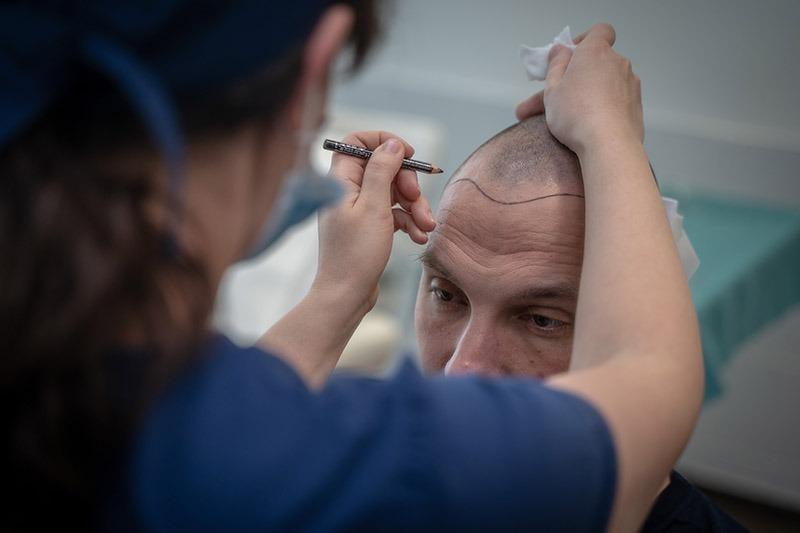
A natural-looking scalp micropigmentation result depends on much more than placing pigment beneath the scalp. The quality of the final appearance is influenced by pigment selection, dot size, placement density, hairline design, scalp characteristics, and how closely the treatment is adapted to the individual. When these elements are carefully balanced, the treatment can create the visual impression of closely shaved hair rather than obvious cosmetic pigmentation.
For anyone considering Scalp Micropigmentation Dubai, understanding what creates a realistic finish can make the consultation process more productive. A skilled practitioner evaluates the existing hair pattern, degree of thinning or hair loss, skin tone, scalp condition, and the desired appearance before developing a treatment strategy. The objective should not simply be to make the scalp look darker. Instead, pigmentation should complement the patient's natural features and create appropriate visual density.
Natural results also depend on restraint. Using excessive pigment, creating uniform dots, or designing an overly sharp hairline can make the treatment look artificial. Modern scalp micropigmentation focuses on controlled variation, gradual transitions, and careful placement so that the pigmentation resembles the appearance of real follicular stubble.
Pigment Selection and Skin Tone
Pigment choice is one of the most important factors affecting realism. The selected shade needs to complement the patient's natural hair colour and skin tone rather than simply matching the darkest visible hair.
A practitioner may consider undertones, existing hair density, skin characteristics, and whether the patient intends to maintain a closely shaved appearance. Pigments that are too dark or incorrectly matched can create excessive contrast and make the scalp appear painted.
The treatment may also require adjustments over multiple sessions. Building pigmentation gradually allows the practitioner to evaluate how the colour appears once healed and make controlled refinements when necessary.
Hairline Design and Facial Proportions
A realistic hairline rarely looks perfectly straight. Natural hairlines usually contain subtle irregularities, softer transitions, and variations in density. Designing an excessively symmetrical or sharply defined hairline may make scalp micropigmentation immediately noticeable.
Facial proportions should also influence the design. The practitioner may assess the forehead, temples, existing hairline, facial structure, and age-related hair patterns when determining where pigmentation should begin.
A mature-looking hairline can often produce a more convincing result than attempting to recreate an unnaturally low juvenile hairline.
Dot Size and Pigment Placement
Scalp micropigmentation relies on thousands of tiny impressions designed to resemble individual follicles. Their size, depth, spacing, and distribution influence how realistic the finished appearance becomes.
Uniformly spaced dots can look artificial because natural follicular patterns are not perfectly repetitive. Skilled application therefore involves controlled variation while maintaining an overall consistent visual effect.
Placement also needs to correspond with the patient's remaining hair. Areas with greater density may require a different approach from regions with advanced thinning. This helps the pigmentation blend into existing hair rather than appearing as a separate layer.
Density and Gradual Transitions
Natural-looking pigmentation requires appropriate density. Applying the same amount of pigment across the entire scalp can create an unnatural block of colour.
Instead, density can be adjusted according to the underlying pattern of hair loss. The frontal region, temples, crown, and areas of diffuse thinning may each require different levels of visual reinforcement.
Gradual transitions are particularly important around the hairline. A softer transition from lighter follicular impressions to greater density behind the hairline can help create the illusion of naturally growing stubble.
Scalp Condition and Skin Characteristics
The condition of the scalp can also influence the final appearance. Sebum production, dryness, scars, previous procedures, pigmentation differences, and skin texture may affect how pigment is placed and how it heals.
A proper assessment before treatment can help identify factors that may require modification of the technique. Patients with scalp irregularities should discuss them during consultation rather than assuming that the same treatment approach will work for everyone.
After treatment, following appropriate aftercare instructions is equally important. Healing can influence how pigmentation settles, and unnecessary irritation or premature exposure to certain environmental factors may interfere with the desired outcome.
Practitioner Technique and Equipment
The experience and technical approach of the practitioner can significantly influence the finished result. Scalp micropigmentation involves precision work, and small differences in needle selection, implantation depth, spacing, and pressure can affect the appearance of individual impressions.
Technology can support consistency, but equipment alone does not guarantee a natural result. The practitioner still needs to understand scalp anatomy, pigmentation behaviour, facial proportions, and aesthetic balance.
During consultation, patients should ask how the practitioner determines pigment colour, hairline placement, density, and treatment progression. These questions can provide useful insight into whether the approach is genuinely individualized.
Maintaining a Natural Appearance Over Time
A natural finish is not only about how the scalp looks immediately after treatment. Pigmentation can change subtly as the skin heals and over the longer term.
Sun exposure, skin ageing, skincare products, and individual skin characteristics may affect the appearance of pigmentation. Patients should therefore understand the importance of appropriate aftercare and long-term scalp care.
Touch-up requirements can also vary. Some individuals may require occasional maintenance to preserve the desired appearance, while others may experience changes at a different rate.
Choosing the Right Provider for Scalp Micropigmentation Dubai
When evaluating a provider for Scalp Micropigmentation Dubai, patients should look beyond promotional photographs and consider the quality of the consultation and treatment methodology.
Experience and Qualifications
Ask about the practitioner's specific experience with scalp micropigmentation rather than relying only on general cosmetic experience. A practitioner should understand pigment placement, scalp anatomy, hair-loss patterns, and aesthetic design.
Technology and Techniques
Enquire about the equipment and pigmentation techniques used. The important consideration is not simply having modern equipment but using it appropriately for different scalp conditions and treatment goals.
Safety Standards
The provider should demonstrate appropriate hygiene, sterilization, infection-control procedures, and safe handling of pigmentation equipment. Disposable components should be used where appropriate, and the treatment environment should meet professional standards.
Consultation Process
A detailed consultation is an important part of achieving a natural finish. The assessment should consider hair loss pattern, skin tone, existing hair, scalp condition, desired density, and expectations.
Patient Experience
Clear communication before, during, and after treatment can help patients understand what to expect. A responsible provider should explain the treatment process, healing period, limitations, possible maintenance, and realistic outcomes without making guarantees.
Expected Results
Patients should understand that scalp micropigmentation creates a cosmetic appearance of follicular density rather than producing new hair. Reviewing appropriate before-and-after examples can help establish realistic expectations, although individual results will vary.
Frequently Asked Questions
What makes scalp micropigmentation look natural?
Natural results generally depend on appropriate pigment selection, realistic hairline design, varied follicular impressions, controlled density, and placement that complements the patient's existing hair pattern.
Can scalp micropigmentation match my natural hair colour?
Pigmentation can be selected and adjusted to complement the appearance of existing hair and the patient's skin tone. A professional assessment is important because simply choosing the darkest available shade may produce an unnatural result.
Should the hairline be completely straight?
Usually, a perfectly straight hairline can appear artificial. Natural hairlines tend to have subtle irregularities and gradual transitions, which can be incorporated into the design.
How many sessions may be needed?
The number of sessions varies according to the extent of hair loss, desired density, scalp characteristics, and treatment response. Multiple sessions may allow pigmentation to be built gradually and refined after healing.
Does scalp micropigmentation create actual hair?
No. Scalp micropigmentation is a cosmetic pigmentation procedure. It does not stimulate new hair growth or create new follicles. Its purpose is to replicate the visual appearance of closely shaved follicles and improve the perception of scalp density.
Conclusion
A convincing result depends on precision, proportion, and individualized planning rather than pigment alone. Hairline design, colour selection, follicular dot size, density, scalp condition, practitioner technique, and proper aftercare all contribute to the final appearance. Patients considering Scalp Micropigmentation should therefore prioritize a detailed consultation and a provider that emphasizes realistic design, appropriate safety practices, and personalized treatment planning. When these elements work together, scalp micropigmentation can provide a subtle, balanced finish that complements the individual's facial features and existing hair pattern without appearing overly artificial.
- Managerial Effectiveness!
- Future and Predictions
- Motivatinal / Inspiring
- Fitness and Wellness
- Medical & Health
- Manufacturing
- Education
- Real-Estate
- Food Industry
- Hospitality
- Online Games
- Sports
- Home Services
- Civil Engineering
- Safety and Protection
- Software Products & Services
- Fashion and Jewellery
- Artificial Intelligence
- Entrepreneurship
- Mentoring & Guidance
- Marketing
- Networking
- HR & Recruiting
- Literature
- Shopping
- Career Management & Advancement