

 SkillClick
Beef Jerky Market Pain Points: Challenges Shaping Industry Growth and Consumer Demand
Introduction
The beef jerky market has developed into a prominent segment of the broader packaged meat and convenient snack industry. Consumers increasingly seek portable, protein-rich foods that can fit into busy lifestyles, outdoor activities, travel, and workplace routines. Beef jerky meets these needs through its long shelf life, compact format, distinctive flavor, and high protein content.
Despite these advantages, the beef jerky industry faces several persistent pain points. Manufacturers must balance taste, texture, nutrition, food safety, pricing, sustainability, and changing consumer expectations. At the same time, intense competition and evolving retail channels make it difficult for brands to maintain differentiation and profitability.
Understanding these challenges is essential for manufacturers, suppliers, retailers, and emerging brands seeking sustainable growth in the beef jerky market.
High Production Costs
One of the biggest pain points is the cost of producing quality beef jerky. Beef represents a significant portion of total manufacturing expenses, and fluctuations in cattle prices can directly influence production economics.
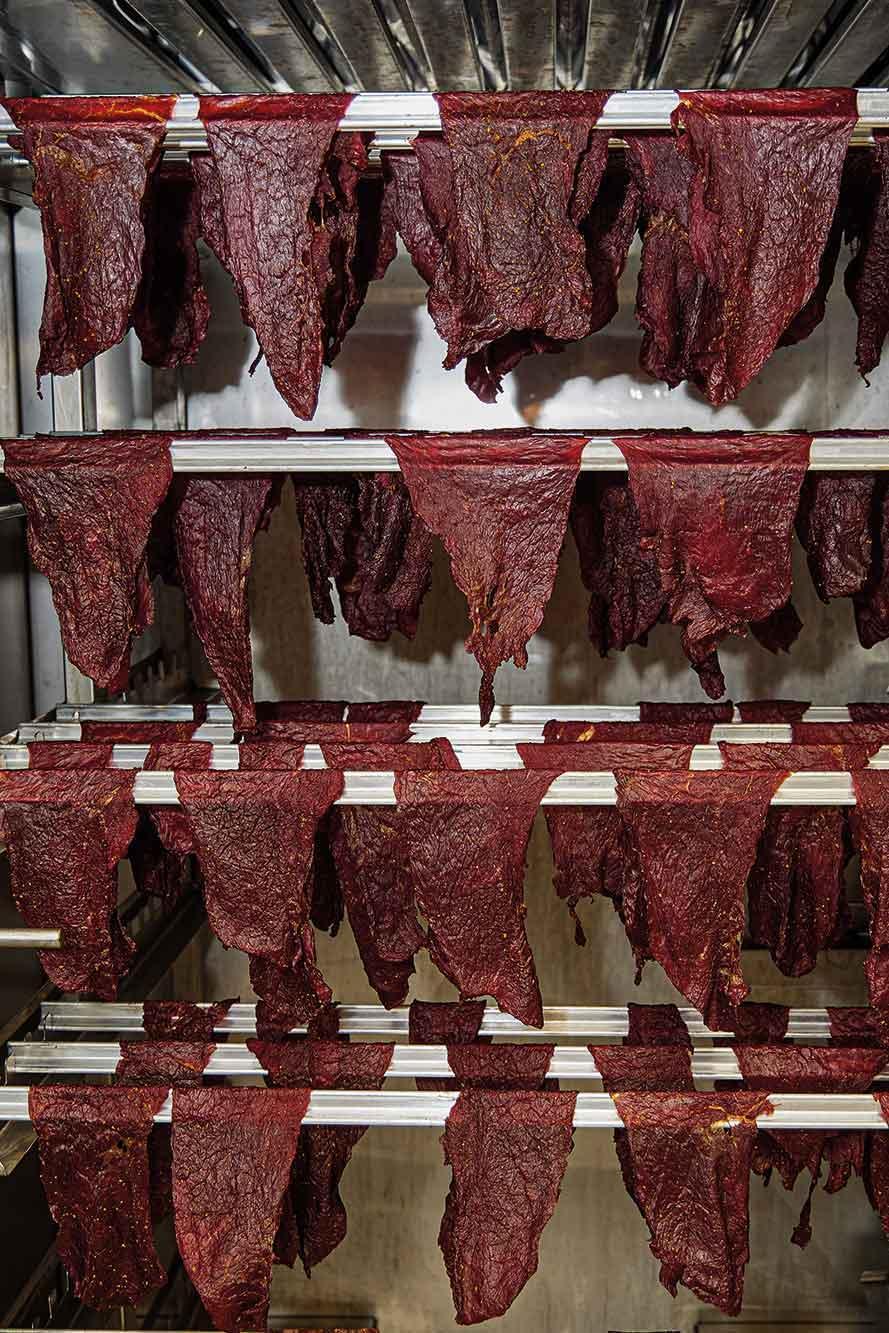
Processing also requires trimming, slicing, marinating, drying, packaging, quality testing, and storage. During dehydration, meat loses substantial moisture, meaning manufacturers need more raw meat to produce the final quantity of jerky sold.
Energy expenses add another layer of pressure. Drying and temperature-controlled processing can require considerable energy, particularly for large-scale production facilities. Rising labor, packaging, transportation, and utility expenses can further reduce margins.
Manufacturers therefore face the challenge of controlling costs without compromising product quality.
Raw Material Price Volatility
Beef prices are influenced by livestock supply, feed costs, weather conditions, transportation expenses, disease concerns, and broader agricultural conditions. These factors can create unpredictable procurement costs.
Small and medium-sized jerky producers may be especially vulnerable because they often have less negotiating power with suppliers. Sudden increases in beef prices can force brands to choose between raising retail prices, reducing package sizes, reformulating products, or accepting lower margins.
Maintaining reliable access to suitable beef cuts at predictable prices remains an important operational challenge.
Food Safety and Quality Control
Food safety is a critical concern in dried meat production. Beef jerky must undergo appropriate heating and dehydration processes to control harmful microorganisms while achieving the desired moisture level and texture.
Inconsistent processing can create quality and safety risks. Excessive drying may produce a hard, brittle product, whereas insufficient moisture reduction can negatively affect shelf stability.
Manufacturers must carefully monitor temperature, humidity, water activity, sanitation, equipment performance, and storage conditions. These requirements increase operational complexity and quality-control expenses.
Balancing Taste With Health Expectations
Consumers increasingly examine nutritional information before purchasing snacks. While beef jerky is naturally associated with protein, some products can contain substantial amounts of sodium, sugar, or other ingredients.
Reducing sodium without sacrificing flavor is particularly challenging because salt contributes to taste and plays an important role in traditional preservation processes. Similarly, reducing sugar can alter caramelization, texture, and flavor balance.
Brands are therefore under pressure to create healthier formulations while preserving the characteristics consumers expect from beef jerky.
Changing Consumer Preferences
Consumer expectations are becoming more diverse. Some shoppers prefer traditional smoky and savory flavors, while others seek spicy, sweet, globally inspired, or unusual flavor combinations.
There is also increasing interest in clean-label products, simple ingredient lists, minimally processed foods, and products positioned around specific dietary preferences.
This creates a difficult product-development environment. Launching too many varieties can increase manufacturing complexity and inventory costs, while offering too few choices can make a brand appear outdated.
Texture Consistency
Texture is one of the most important sensory characteristics of beef jerky. Consumers may prefer soft and tender pieces, traditional chewy jerky, or firmer products.
Achieving consistent texture across every production batch is difficult because raw meat differs in thickness, fat content, muscle structure, and moisture composition. Drying conditions can also vary between equipment loads.
Inconsistent texture can result in consumer dissatisfaction even when the flavor is acceptable. Manufacturers must therefore maintain precise slicing and dehydration processes to achieve predictable results.
Packaging Challenges
Packaging must protect beef jerky from moisture, oxygen, contamination, light, and physical damage. At the same time, it needs to communicate product information and attract consumers in competitive retail environments.
High-performance packaging materials can increase costs. However, inadequate packaging can shorten shelf life and lead to product deterioration.
Sustainability introduces another challenge. Consumers increasingly want environmentally responsible packaging, while manufacturers need materials capable of maintaining the shelf stability expected from dried meat products.
Finding the right balance between protection, cost, convenience, and environmental considerations remains difficult.
Supply Chain Complexity
The beef jerky supply chain involves cattle producers, meat processors, ingredient suppliers, packaging manufacturers, logistics providers, distributors, retailers, and foodservice channels.
Disruptions at any stage can affect product availability. Transportation delays, raw material shortages, packaging constraints, labor shortages, or equipment failures can create bottlenecks.
Because beef jerky is often distributed through multiple retail and online channels, manufacturers must also coordinate inventory carefully. Overstocking creates working-capital pressure, while insufficient inventory can result in lost sales.
Pricing Pressure and Competition
The beef jerky market includes established brands, private-label products, regional producers, specialty companies, and numerous small businesses. This creates substantial competition for shelf space and consumer attention.
Premium brands may emphasize high-quality beef, distinctive flavors, natural ingredients, or specialized production methods. Value-oriented products compete primarily through affordability and larger package sizes.
Manufacturers must establish a price that reflects production costs while remaining attractive to consumers. Excessive pricing can push shoppers toward competing snacks, whereas aggressive discounting can weaken profitability.
Shelf-Space Competition
Retail stores provide limited shelf space, and brands must compete against other meat snacks as well as protein bars, nuts, chips, dried fruit, and emerging functional snacks.
A product may have strong consumer appeal but still struggle to achieve broad distribution without sufficient retailer support and sales performance.
Packaging design, brand recognition, promotional activity, pricing, and product turnover all influence retail placement. Smaller brands can find it particularly difficult to secure visibility against larger competitors.
E-Commerce and Distribution Challenges
Online retail has expanded access to beef jerky, allowing niche brands to reach consumers without relying exclusively on traditional stores. However, e-commerce also creates new challenges.
Products must compete in crowded digital marketplaces where consumers compare prices, ingredients, package sizes, ratings, and reviews within seconds.
Shipping costs can also affect profitability, particularly for smaller orders. Brands may need to invest in multipacks, subscriptions, promotional bundles, or direct-to-consumer strategies to make online distribution economically viable.
Sustainability Concerns
The environmental impact associated with livestock production has become an increasingly relevant consideration for food companies. Beef production can involve significant land, water, feed, and resource requirements.
For beef jerky manufacturers, sustainability challenges extend beyond sourcing. Energy-intensive processing, transportation, packaging materials, and food waste also contribute to environmental impacts.
Companies may face increasing pressure to improve sourcing transparency, reduce waste, optimize energy consumption, and explore recyclable or lower-impact packaging solutions.
Innovation and Product Development Costs
Innovation is necessary to remain competitive, but developing new beef jerky products requires investment. Manufacturers may need to test new marinades, seasonings, meat cuts, processing techniques, packaging formats, and portion sizes.
Every new product can create additional requirements for ingredients, equipment settings, quality testing, labeling, inventory, and marketing.
The challenge is determining which innovations have genuine consumer demand rather than simply adding complexity to the product portfolio.
Managing Brand Differentiation
Beef jerky can be difficult to differentiate because many products share similar characteristics. Brands frequently compete through flavor, ingredients, packaging, sourcing claims, texture, price, and brand storytelling.
Strong differentiation requires more than attractive packaging. Companies must communicate a clear reason for consumers to choose their product over alternatives.
For smaller manufacturers, building brand recognition can be particularly challenging because marketing budgets are often much smaller than those of established companies.
Regulatory and Labeling Requirements
Food regulations create additional operational responsibilities. Manufacturers must comply with applicable requirements related to ingredients, nutritional information, allergen declarations, processing, packaging, storage, and product claims.
As product formulations become more sophisticated, labeling can become increasingly complex. Claims involving protein content, natural ingredients, reduced sodium, or specific dietary characteristics must be carefully supported.
Compliance failures can result in recalls, financial losses, reputational damage, or restricted market access.
Conclusion
The beef jerky market benefits from strong consumer interest in convenient, portable, protein-oriented snacks, but growth is accompanied by significant operational and commercial pain points. High beef prices, food safety requirements, formulation challenges, packaging costs, supply chain uncertainty, competitive pressure, and changing consumer expectations can all affect profitability.
Future success will depend on the ability of manufacturers to improve production efficiency while maintaining flavor, texture, safety, and nutritional value. Companies that invest in responsible sourcing, innovative formulations, efficient processing, differentiated branding, and flexible distribution strategies can strengthen their position.
Ultimately, addressing these pain points is not simply about reducing costs. It is about creating beef jerky products that deliver consistent quality, convenience, value, and consumer relevance in an increasingly competitive snack environment.
- Managerial Effectiveness!
- Future and Predictions
- Motivatinal / Inspiring
- Fitness and Wellness
- Medical & Health
- Manufacturing
- Education
- Real-Estate
- Food Industry
- Hospitality
- Online Games
- Sports
- Home Services
- Civil Engineering
- Safety and Protection
- Software Products & Services
- Fashion and Jewellery
- Artificial Intelligence
- Entrepreneurship
- Mentoring & Guidance
- Marketing
- Networking
- HR & Recruiting
- Literature
- Shopping
- Career Management & Advancement