

 SkillClick
Seerah Lessons on Mercy to Practice This Rabi' al-Awwal
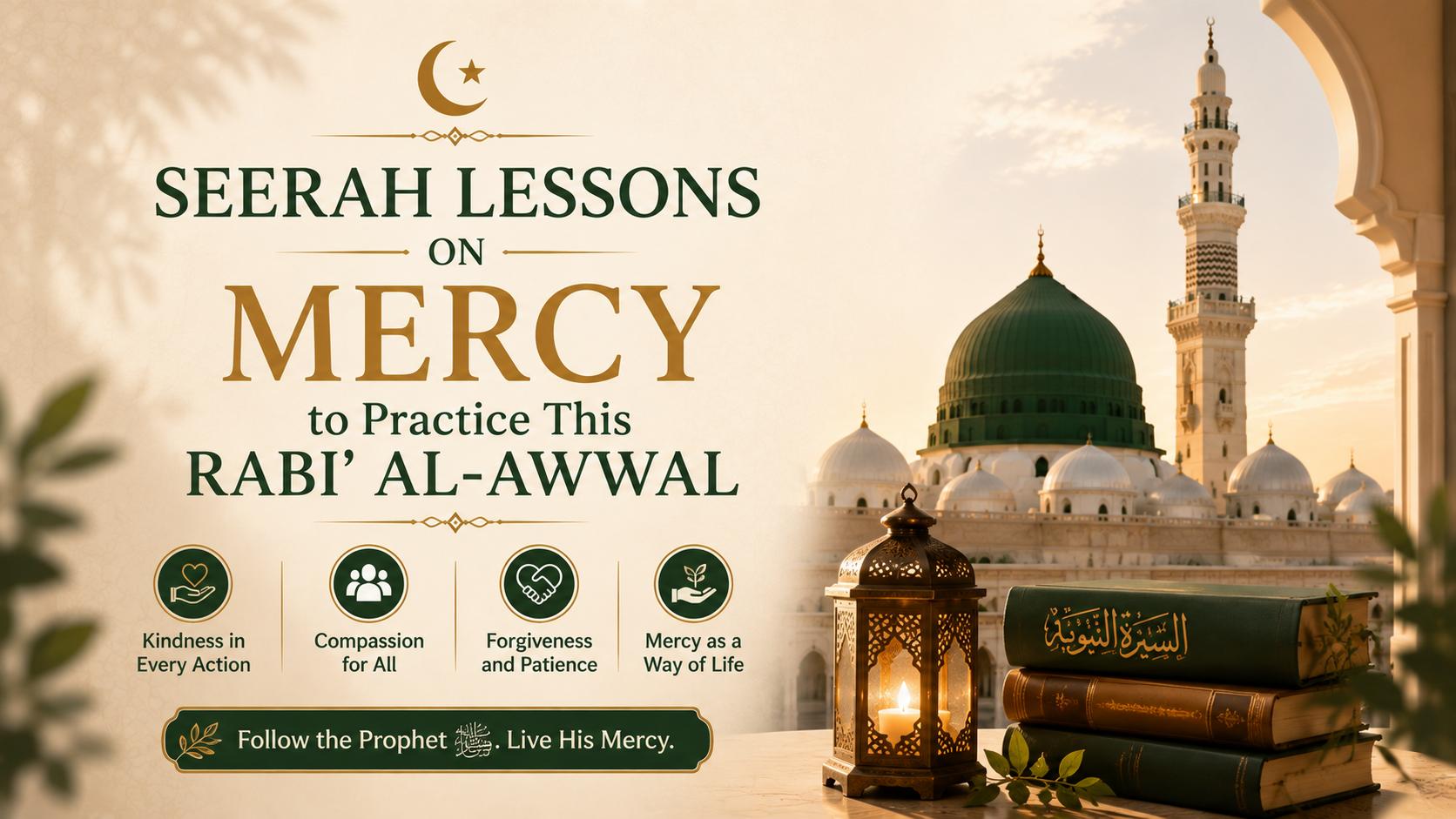
The Seerah, the recorded life story of Prophet Muhammad ﷺ, offers far more than historical facts about his life. It gives Muslims a practical model for how mercy should show up in everyday behavior. Rabi' al-Awwal, the month closely linked to his birth, becomes an ideal time to revisit these lessons and put them into practice rather than simply reading about them. Groups like Yaqeen Welfare Foundation try to reflect this same spirit of mercy through their daily work supporting families in need.
Why Does Mercy Sit at the Center of the Prophet's ﷺ Life?
The Qur'an describes Prophet Muhammad ﷺ as a mercy to all the worlds in Surah Al-Anbiya 21:107, and that description shapes almost every story recorded about his life. His mercy extended beyond his own family and community, reaching enemies, strangers, and even animals in ways that surprised the people around him.
This kind of mercy did not appear only during peaceful moments. He showed patience and forgiveness during genuinely difficult situations, including times when people treated him with real hostility. That consistency is part of what makes his example so widely studied today.
What Did Mercy Look Like in His Treatment of Family?
The Prophet ﷺ treated his family with warmth and patience, even during ordinary daily interactions that rarely get recorded in most historical accounts. He helped with household tasks, mended his own clothes, and remained gentle with his wives and children despite the pressures of his public role.
You can practice this same lesson by paying closer attention to how you treat the people closest to you. Mercy often shows up most clearly in small, repeated moments at home rather than in grand public gestures.
How Did He Show Mercy Toward Strangers and Travelers?
Historical accounts describe the Prophet ﷺ offering food and shelter to travelers passing through Madinah, often without knowing anything about them beforehand. He treated strangers with the same basic dignity he extended to close companions, regardless of their background or status. Companions later described feeling genuinely surprised at how consistently he extended this same warmth to people he had only just met.
This lesson translates easily into modern life. You do not need to know someone personally to show them basic kindness, whether that means helping a stranger in your neighborhood or supporting a family you will never actually meet through a trusted charity. Even a brief, genuine gesture toward someone unfamiliar can carry the same spirit found throughout these accounts.
What Can You Learn From His Treatment of Orphans?
Few examples capture the Prophet's ﷺ mercy as clearly as his lifelong care for orphans. Having lost both parents himself at a young age, he understood the vulnerability that orphaned children face, and he consistently prioritized their wellbeing throughout his life.
You can carry this lesson forward through direct support, whether that means sponsoring an orphan or simply checking in on a family in your own community that has lost a parent. Small, consistent acts of care often matter more than occasional large gestures.
How Did He Practice Mercy Toward the Poor and Vulnerable?
The Prophet ﷺ consistently prioritized the needs of poor people, often giving away what little he had rather than keeping it for himself. Companions frequently described him sharing meals with people who had far less than he did, even during periods when resources stayed genuinely limited.
This example challenges a common assumption that generosity requires abundance first. Mercy toward vulnerable people often means giving what you can, when you can, rather than waiting until circumstances feel more comfortable. That approach makes generosity accessible to almost anyone, regardless of their own financial situation.
What Lessons Can You Apply During Rabi' al-Awwal Specifically?
Rabi' al-Awwal offers a natural window to turn these lessons into action rather than just reflection. A few practical steps can help you apply Seerah lessons throughout the month.
- Check on an elderly neighbor or relative you have not spoken with recently
- Offer a meal or basic support to someone facing financial hardship
- Support an orphan sponsorship program through a trusted charity
- Speak gently with family members, even during stressful moments
- Set aside a small, consistent amount for sadaqah throughout the month
These steps stay intentionally simple. The goal involves consistency, not grand gestures that feel difficult to sustain beyond a single day.
Why Does Reading the Seerah Regularly Matter?
Reading the Seerah once during Rabi' al-Awwal offers value, but building a regular reading habit creates lasting change in how you approach daily interactions. Even a short section each week keeps these lessons present in your mind well beyond this single month.
According to the entry on the Seerah, the earliest biographical accounts of the Prophet's ﷺ life were compiled specifically to preserve these kinds of practical lessons for future generations, rather than serving only as a historical record. That original purpose still holds today, since the stories continue shaping how millions of Muslims approach kindness and mercy in daily life.
Final Thoughts on Practicing Mercy This Rabi' al-Awwal
Mercy defined nearly every recorded interaction in the Prophet's ﷺ life, from his treatment of family and strangers to his consistent care for orphans and the poor. Rabi' al-Awwal gives Muslims a meaningful reason to revisit these lessons and turn them into real, practical action rather than passive reflection. You do not need a grand plan to start, since even small, consistent acts of kindness reflect the same spirit found throughout the Seerah.
If you want to practice mercy through direct support this month, contact Yaqeen Welfare Foundation today and find a program that turns reflection into real help for someone in need.
- Managerial Effectiveness!
- Future and Predictions
- Motivatinal / Inspiring
- Fitness and Wellness
- Medical & Health
- Manufacturing
- Education
- Real-Estate
- Food Industry
- Hospitality
- Online Games
- Sports
- Home Services
- Civil Engineering
- Safety and Protection
- Software Products & Services
- Fashion and Jewellery
- Artificial Intelligence
- Entrepreneurship
- Mentoring & Guidance
- Marketing
- Networking
- HR & Recruiting
- Literature
- Shopping
- Career Management & Advancement