

 SkillClick
How Do You Choose the Right Lawn Scarves and Hijabs for Everyday Wear?
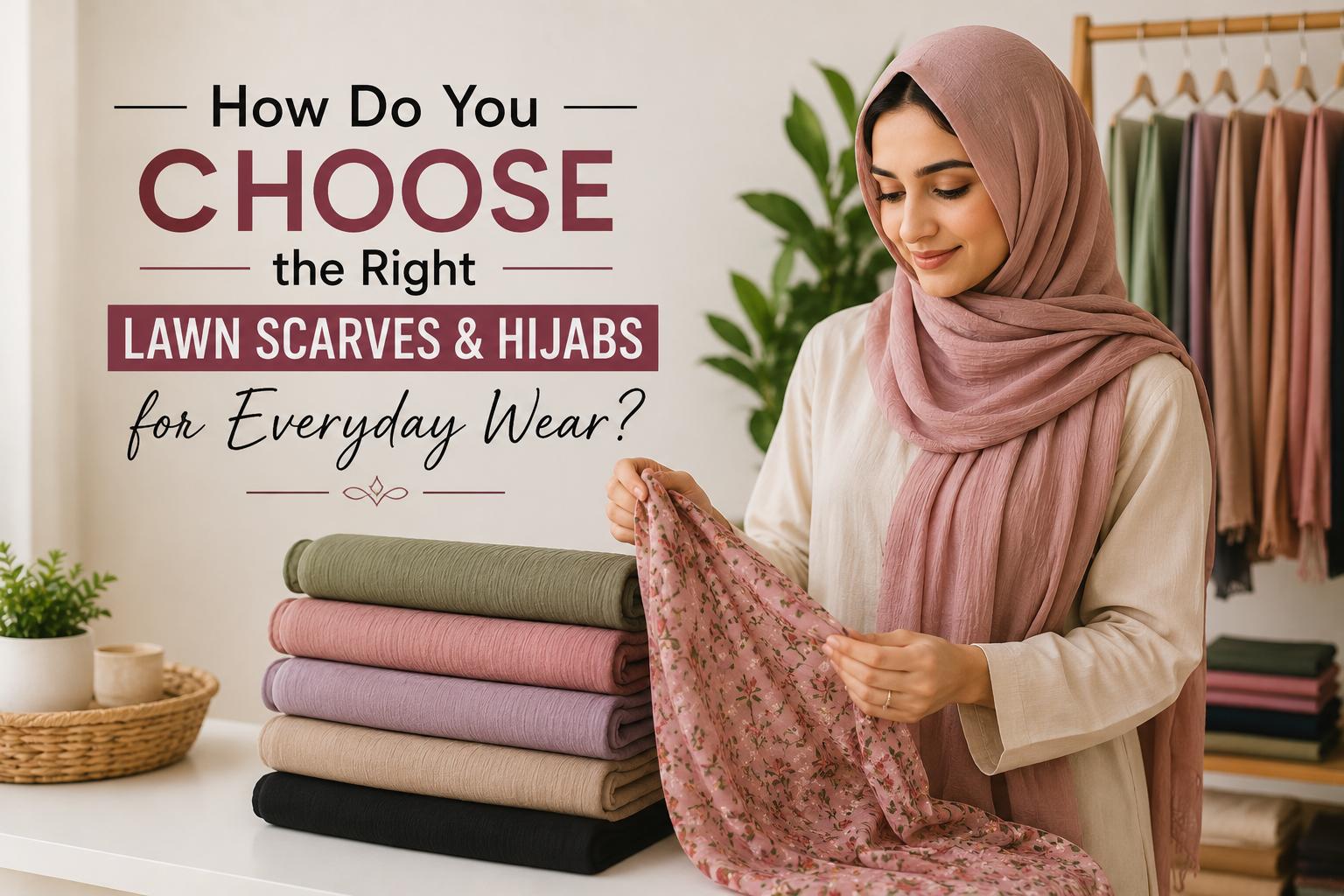
Choosing daily hijab essentials is not just about color or print. It is about fabric weight, breathability, and the small accessories that hold everything in place. For women living in warmer climates like Pakistan, this decision becomes even more important during the summer months, when comfort often matters more than anything else. This is where lawn scarves and lawn hijabs come in, alongside two accessories that rarely get enough attention: hijab pins and under scarves.
This blog looks at these four essentials in detail, explains what makes each one useful, and helps readers understand how to pick pieces that actually work for their daily routine rather than just their wardrobe photos.
Why Fabric Choice Matters More Than People Realize
Before getting into specific products, it helps to understand why fabric selection is the first decision a woman should make when building her hijab collection. Fabric determines how a scarf drapes, how long it stays fresh through the day, and how comfortable it feels against the skin during long hours of wear — whether that's a full workday, a university schedule, or hours spent outdoors.
Heavier fabrics like silk or velvet look elegant for formal settings but can feel restrictive in hot and humid weather. Lighter, breathable fabrics, on the other hand, are better suited to daily wear, especially in a country where summer temperatures often cross 40 degrees Celsius. This is exactly why lawn has remained a popular fabric choice for decades in South Asian clothing, and its popularity has now extended naturally into hijabs and scarves.
What Makes Lawn Scarves a Practical Everyday Option?
Lawn scarves are made from a lightweight, finely woven cotton fabric that is known for its breathability. Unlike synthetic or heavier fabrics, lawn allows air to pass through more easily, which makes it a comfortable option for long hours of wear, particularly in warm weather.
A few practical qualities make lawn scarves stand out:
- Breathability: The fabric doesn't trap heat close to the skin, which reduces discomfort during summer.
- Lightweight structure: Lawn scarves are easy to drape and re-adjust throughout the day without feeling heavy on the head or shoulders.
- Easy maintenance: Cotton-based lawn fabric is generally simple to wash and doesn't require special care, which matters for anyone wearing a scarf daily.
- Print versatility: Lawn takes color and print well, so it's common to find floral, geometric, and pastel designs that suit both casual and semi-formal outfits.
For women who wear a scarf every day for work, study, or errands, lawn is often a more sensible choice than fabrics that look nice occasionally but aren't built for daily rotation. Anyone exploring lawn options can look through a dedicated collection like Lawn Hijabs & Scarves at Hareer to compare prints and finishes side by side.
How Are Lawn Hijabs Different From Regular Scarves?
While the terms are sometimes used interchangeably, there is a practical distinction worth understanding. A scarf is typically a rectangular or square piece of fabric that can be styled in multiple ways, while a lawn hijab often refers to pieces cut and finished specifically for hijab styling, sometimes with pre-set dimensions, stitched edges, or a shape designed to reduce slipping.
This distinction matters for buyers because:
- Lawn hijabs are usually tailored with hijab-specific proportions, which can reduce the need for extra pinning or adjustment.
- Many lawn hijabs come pre-finished at the edges, which prevents fraying over repeated washes — something plain fabric scarves may not offer.
- Because they are designed with hijab wear in mind, the fabric weight is often balanced specifically for coverage without excess bulk.
Choosing between a general lawn scarf and a purpose-made lawn hijab often comes down to personal styling preference. Some women prefer the flexibility of a plain scarf they can wrap in different styles, while others prefer the structure a dedicated hijab piece offers for a more consistent look each day.
Why Do Hijab Pins Matter More Than People Think?
It's easy to overlook accessories when fabric is the main focus, but hijab pins play a bigger role in comfort and appearance than most people realize. A well-chosen pin holds the scarf securely in place through a full day of movement, without slipping, pulling at the fabric, or causing discomfort around the head and neck.
A few things worth knowing about hijab pins:
- Material matters for skin sensitivity: Cheaper metal pins can cause skin irritation or leave marks on delicate fabrics. Better-quality pins are typically smoother and gentler on both skin and fabric.
- Pin size affects grip: Larger pins tend to hold heavier fabrics like lawn or silk more securely, while smaller pins work well for lighter chiffon.
- Design impacts damage: Sharp or poorly finished pins can snag delicate fabric over time, leading to small tears or pulled threads.
Because pins are used daily and repeatedly, investing a little extra thought into their quality can extend the life of an entire scarf collection. It's a small accessory, but one that quietly affects both comfort and how long a favorite piece stays wearable. Those looking for reliable options can browse a dedicated hijab pins collection to compare finishes and sizes.
What Role Do Under Scarves Play in Everyday Styling?
Under scarves are another accessory that often goes unnoticed but serves an important practical purpose. Worn beneath the main scarf or hijab, an under scarf helps keep hair in place, prevents slipping, and creates a smoother base for the outer fabric to sit on.
Here's why under scarves are commonly used:
- Hair control: They keep hair neatly tucked away, reducing the need for constant readjustment throughout the day.
- Better grip for outer fabric: A textured under scarf, such as one made from jersey or a slightly rough net fabric, gives the outer scarf something to hold onto, which reduces slipping.
- Comfort in warm weather: Lighter under scarves made from breathable materials help avoid excess heat buildup, especially when paired with lawn hijabs during summer.
- A cleaner finished look: Under scarves smooth out the shape of the head, which often makes the outer scarf sit more evenly and look more polished.
Under scarves are usually made from materials like net or jersey, each offering a different level of grip and breathability. Net under scarves tend to be more breathable and are often preferred in hotter weather, while jersey options offer a closer, more secure fit. Comparing both material types before choosing helps in finding what actually suits day-to-day comfort.
Bringing It All Together: Building a Practical Hijab Routine
None of these four essentials work in isolation. A lawn hijab paired with a well-fitted under scarf and a quality pin creates a combination that is both comfortable and secure through a full day of wear. Understanding how each piece contributes to the overall experience — fabric for comfort, accessories for structure — makes it easier to build a collection that holds up to daily use rather than one that only looks good for a short while.
For anyone updating their everyday hijab essentials, it's worth approaching the decision piece by piece: start with a breathable fabric like lawn scarves, choose a hijab style that matches personal preference for structure, and then complete the routine with reliable hijab pins and comfortable under scarves. Together, these choices make a noticeable difference in how a hijab feels and functions throughout a busy day.
Frequently Asked Questions
1. Are lawn scarves suitable for winter wear as well? Lawn scarves are primarily known for their breathability, which makes them best suited to warm weather. In colder months, many women prefer layering a lawn scarf over a warmer under scarf, or switching to heavier fabrics like silk or velvet for added warmth.
2. How many hijab pins should I keep in daily rotation? There's no fixed number, but having a small variety of sizes is helpful. A couple of medium pins for everyday fabrics and one or two larger pins for heavier materials like lawn or silk usually covers most daily styling needs.
3. What is the difference between net and jersey under scarves? Net under scarves are generally lighter and more breathable, making them a common choice in hot weather. Jersey under scarves offer a closer, more secure fit and are often chosen when extra grip or coverage is needed.
4. Can lawn hijabs be worn for formal occasions? Lawn hijabs are typically designed for everyday, casual, or semi-formal wear rather than highly formal events. For formal occasions, fabrics like silk, chiffon, or georgette are usually preferred for their drape and finish.
5. How often should hijab pins be replaced? There's no strict timeline, but pins should be checked regularly for rust, bent edges, or a weakened clasp. Replacing them once they no longer hold fabric securely helps avoid slipping and prevents damage to scarves.
Final Thoughts
Building a comfortable, practical hijab routine comes down to understanding the role each piece plays. Lawn scarves and lawn hijabs offer breathability suited to daily wear, while hijab pins and under scarves provide the structure and security that keep everything in place. When these four elements are chosen thoughtfully, rather than as an afterthought, the result is a routine that holds up comfortably through even the busiest days.
- Managerial Effectiveness!
- Future and Predictions
- Motivatinal / Inspiring
- Fitness and Wellness
- Medical & Health
- Manufacturing
- Education
- Real-Estate
- Food Industry
- Hospitality
- Online Games
- Sports
- Home Services
- Civil Engineering
- Safety and Protection
- Software Products & Services
- Fashion and Jewellery
- Artificial Intelligence
- Entrepreneurship
- Mentoring & Guidance
- Marketing
- Networking
- HR & Recruiting
- Literature
- Shopping
- Career Management & Advancement