

 SkillClick
Understanding the Causes of Snoring and Modern Treatment Options in Dubai
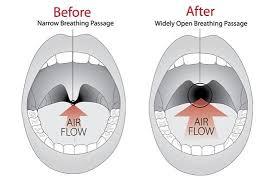
Snoring is one of the most common sleep-related concerns, yet many people do not realize that its causes can vary considerably. For some individuals, snoring may happen occasionally because of tiredness, nasal congestion, or sleeping position. For others, it can become a persistent problem that affects sleep quality and leaves them feeling tired during the day.
Understanding why snoring happens is an important part of finding an appropriate solution. Snoring Treatment in Dubai offers different approaches depending on whether the problem is related to nasal blockage, relaxed throat tissues, sleep position, lifestyle factors, or an underlying sleep-related breathing condition.
Modern treatment does not simply focus on reducing the sound of snoring. A proper approach aims to understand the reason behind the problem and improve nighttime airflow whenever possible. With professional assessment and suitable care, individuals can explore treatment options that fit their symptoms and daily lifestyle.
What Causes Snoring?
Snoring occurs when airflow through the upper airway becomes partially restricted while sleeping. As air passes through narrowed areas, soft tissues can vibrate and create the sound associated with snoring.
Several factors may contribute to this narrowing.
Relaxation of Throat Tissues
The muscles and soft tissues in the throat naturally relax during sleep. In some individuals, this relaxation causes the airway to become narrower than usual.
When air moves through the reduced space, the surrounding tissues may vibrate more strongly, resulting in snoring.
Sleeping on the Back
Body position can influence nighttime breathing. Sleeping on the back may allow the tongue and soft tissues to move toward the back of the throat.
For some people, changing to a side-sleeping position can help maintain better airflow.
Nasal Congestion
Blocked nasal passages can make breathing more difficult during sleep. Allergies, colds, sinus irritation, or structural nasal problems can contribute to congestion.
When nasal breathing becomes difficult, a person may breathe through the mouth, which can increase the likelihood of snoring.
Lifestyle Factors
Certain lifestyle habits can contribute to snoring. Alcohol consumption before bedtime may relax the muscles around the airway. Smoking can irritate the respiratory passages, while inadequate sleep may make snoring more noticeable in some individuals.
Addressing these factors may help reduce symptoms in suitable cases.
Is Snoring Always a Medical Problem?
Not necessarily. Occasional snoring is common and does not automatically indicate a serious health condition.
However, persistent snoring should not always be ignored. Loud and frequent snoring can sometimes occur alongside obstructive sleep apnea or another sleep-related breathing problem.
Warning signs may include:
- Pauses in breathing during sleep
- Gasping or choking sounds at night
- Frequent waking
- Excessive daytime sleepiness
- Morning headaches
- Difficulty concentrating
- Dry mouth after waking
- Feeling unrefreshed despite adequate time in bed
If these symptoms occur, professional assessment can help determine whether further investigation is appropriate.
How Is Snoring Evaluated?
A proper evaluation usually begins with a discussion about the person's sleep habits and symptoms.
A healthcare professional may ask questions about:
- How frequently snoring occurs
- Whether the snoring is loud
- Sleeping position
- Nasal congestion
- Daytime fatigue
- Alcohol or tobacco use
- Existing health concerns
- Changes in sleep patterns
- Whether another person has noticed breathing interruptions
An examination may also be performed to look for factors that could affect airflow.
In some situations, a sleep assessment may be recommended, particularly when symptoms suggest obstructive sleep apnea.
Modern Snoring Treatment in Dubai
Treatment depends on the underlying cause and the severity of the symptoms. There is no single solution that works for every person.
Positional Therapy
If snoring is mainly associated with sleeping on the back, positional therapy may be useful.
The goal is to encourage sleeping positions that help keep the airway more open. Specialized pillows, positioning techniques, or other supportive methods may be considered.
Lifestyle Improvements
Simple changes can sometimes make a meaningful difference.
These may include:
- Maintaining a consistent sleep schedule
- Getting adequate sleep
- Reducing alcohol before bedtime
- Avoiding smoking
- Managing body weight when appropriate
- Treating nasal congestion
- Developing healthier nighttime routines
Lifestyle changes are often considered alongside other approaches rather than as a replacement for professional care when symptoms are significant.
Oral Appliances for Snoring
Oral appliances are another option that may be suitable for selected individuals.
These devices are designed to alter the position of the jaw or tongue during sleep. By helping maintain a more favorable airway position, they may reduce airway narrowing and associated snoring.
An oral appliance should be selected and fitted appropriately. It is not necessarily suitable for everyone, especially individuals with certain dental or jaw conditions.
Nasal Treatment Options
When nasal obstruction is contributing to snoring, treatment may focus on improving nasal airflow.
Depending on the cause, this may involve managing allergies, reducing congestion, or addressing structural problems affecting nasal breathing.
Improving nasal airflow can make nighttime breathing more comfortable for some people.
Positive Airway Pressure Therapy
When snoring is connected with obstructive sleep apnea, positive airway pressure therapy may be recommended following professional evaluation.
This approach uses controlled airflow to help prevent the airway from collapsing during sleep.
It is important to distinguish treatment for simple snoring from treatment for sleep apnea. If sleep apnea is suspected, appropriate diagnosis and management should take priority.
Procedural Approaches
Some individuals may have anatomical features that contribute significantly to airway narrowing. In selected cases, a procedure may be considered.
The suitability of procedural treatment depends on factors such as:
- Airway anatomy
- Severity of symptoms
- Underlying cause
- Previous treatments
- Overall health
- Professional assessment
Procedures should not be selected simply because they are considered modern or popular. A personalized evaluation is important before making a decision.
Benefits of Addressing Persistent Snoring
Treating persistent snoring may offer several potential advantages.
Improved Sleep Comfort
Reducing airway vibration and nighttime disruption may contribute to a more comfortable sleeping experience.
Better Bedroom Environment
Loud snoring can disturb a partner's sleep. Reducing the intensity or frequency of snoring may help create a quieter nighttime environment.
Improved Daytime Function
If snoring has been contributing to poor-quality sleep, addressing the problem may help some individuals feel more refreshed during the day.
Greater Awareness of Sleep Health
A professional evaluation can help identify whether symptoms are limited to snoring or may be associated with a more significant sleep-related breathing issue.
Can Home Remedies Treat Snoring?
Some home strategies can help when snoring is mild and related to temporary or lifestyle factors.
Sleeping on the side, maintaining a healthy sleep schedule, managing nasal congestion, and avoiding alcohol before bedtime may be useful.
However, home remedies should not replace professional assessment when snoring is persistent or accompanied by breathing pauses, gasping, or significant daytime tiredness.
The key is to identify the cause rather than simply attempting to mask the sound.
Choosing the Right Snoring Treatment
Choosing an appropriate treatment starts with understanding what is causing the snoring.
A person with nasal congestion may require a different strategy from someone whose symptoms are related to jaw position or throat anatomy.
When exploring Snoring Treatment in Dubai, consider whether the treatment process includes:
- A discussion of symptoms
- Assessment of potential causes
- Evaluation of nighttime breathing when necessary
- Personalized treatment recommendations
- Appropriate follow-up
- Clear guidance about lifestyle changes
Avoid choosing a treatment based only on advertisements or claims of immediate results. A personalized approach is generally more useful.
What to Expect During Treatment
The experience depends on the selected treatment.
Lifestyle-based management may involve gradual changes to sleep and daily habits. Oral appliances require appropriate fitting and adjustment. Medical treatments may involve follow-up appointments to monitor progress.
If a procedure is recommended, the treatment plan should explain preparation, recovery, expected results, and possible risks.
Understanding the process before starting treatment can make the experience more comfortable and help set realistic expectations.
How Tajmeels Clinic Can Help
People researching Snoring Treatment in Dubai may want to discuss their symptoms with a professional team before selecting a treatment option. Tajmeels Clinic can be considered when exploring suitable care for persistent snoring and related concerns.
The focus should be on understanding the underlying reason for the symptoms and selecting an approach that matches the individual's needs rather than assuming that one treatment is appropriate for everyone.
A professional consultation can provide an opportunity to discuss sleep patterns, symptoms, possible contributing factors, and available treatment approaches.
Frequently Asked Questions
What is the most common cause of snoring?
Snoring can result from several factors, including relaxed throat tissues, sleeping position, nasal congestion, lifestyle habits, and airway anatomy. The most likely cause varies from person to person.
Can changing my sleeping position reduce snoring?
Yes, side sleeping may reduce snoring for some individuals, particularly when symptoms become worse while sleeping on the back.
Is loud snoring a sign of sleep apnea?
Loud snoring can occur with sleep apnea, but snoring alone does not confirm the condition. Breathing pauses, gasping, choking, and excessive daytime sleepiness are additional warning signs that deserve professional evaluation.
Are oral appliances effective for snoring?
Oral appliances may help selected individuals by changing the position of the jaw or tongue and improving airway space. Their suitability should be assessed professionally.
How can I find suitable Snoring Treatment in Dubai?
Start with a professional evaluation to identify potential causes. Once the cause and severity are understood, suitable lifestyle, medical, dental, or procedural options can be discussed.
Conclusion
Snoring can have many causes, which is why treatment should never be approached as a one-size-fits-all solution. From sleeping position and nasal congestion to airway anatomy and sleep-related breathing disorders, identifying the underlying factor is an important part of effective management.
Modern Snoring Treatment in Dubai provides a range of options that can be tailored to individual symptoms and needs. Lifestyle improvements, positional techniques, oral appliances, breathing support, and selected medical procedures may all have a role depending on the situation.
If persistent snoring is affecting sleep or daily life, professional guidance can help you understand the available options. Tajmeels clinic can support individuals who want to explore their symptoms and take a more informed approach toward achieving quieter, more comfortable nights.
- Managerial Effectiveness!
- Future and Predictions
- Motivatinal / Inspiring
- Fitness and Wellness
- Medical & Health
- Manufacturing
- Education
- Real-Estate
- Food Industry
- Hospitality
- Online Games
- Sports
- Home Services
- Civil Engineering
- Safety and Protection
- Software Products & Services
- Fashion and Jewellery
- Artificial Intelligence
- Entrepreneurship
- Mentoring & Guidance
- Marketing
- Networking
- HR & Recruiting
- Literature
- Shopping
- Career Management & Advancement