

 SkillClick
The Quiet Craft Behind Historic Roof Restoration
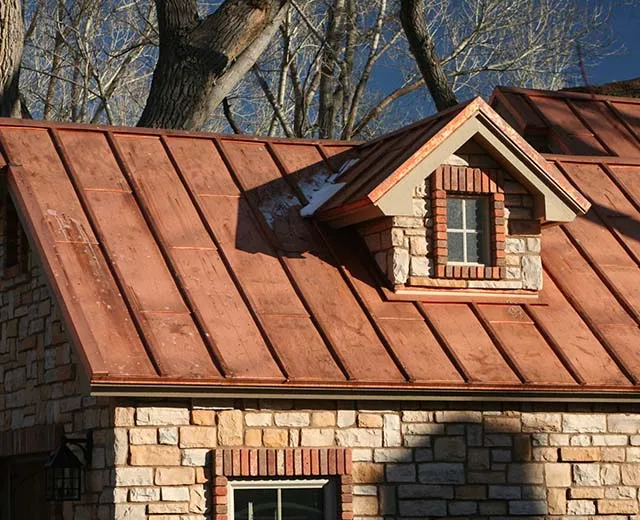
Walk through any older neighborhood in the United States and look up. The rooflines tell a story. Slate tiles, copper flashing, and hand-shaped ridges once marked the pride of a builder. Over decades, weather wears them down. That slow decline is exactly why Historic Roof Restoration has become such an important part of preserving America's architectural heritage.
Restoration is different from replacement. It focuses on saving original materials, matching old techniques, and keeping a building's character intact. Done well, it protects both history and property value. Done poorly, it can erase details that took skilled hands generations to perfect.
Why Old Roofs Need Special Care
A modern roof is built for efficiency. A historic roof was built for permanence, often with materials that are hard to find today. Copper, slate, terra cotta, and hand-forged metals all age in their own way.
That is where the challenge begins. You cannot simply strip an old roof and start over. Many historic buildings sit under local preservation rules, and those rules often require original materials to stay in place whenever possible.
Restoration experts study the roof before touching it. They look at how water moves, where corrosion started, and which sections still have structural life left. This care is what separates real restoration from a quick patch job.
The Balance Between History and Modern Standards
One of the biggest tensions in this field is blending old craft with new performance needs. A church roof from the 1800s still has to meet today's safety and weather demands.
Craftspeople solve this by using traditional methods with updated materials underneath. The visible surface keeps its historic look, while hidden layers add protection against leaks and heat.
Copper is a good example. It ages into a soft green patina that many people love, but exposed copper can also corrode or lose its shine. Protective coatings like Copper Liquid Paint are sometimes used to preserve that look while shielding the metal from harsh weather.
Benefits That Go Beyond Appearance
The value of restoring a historic roof reaches further than curb appeal. It protects an investment, honors local history, and often costs less over time than repeated repairs.
Restored roofs also tend to last. Original slate or copper, when properly maintained, can outlive most modern materials by decades. That longevity is a quiet form of sustainability.
There is a cultural benefit too. Historic districts across the United States rely on preserved buildings to keep their identity. Each restored roof adds to the character that draws visitors and residents alike.
Where Restoration Meets Artistry
Roof work is not always plain repair. In some projects, restoration crosses into creative territory. Architectural Art Installations on rooftops, domes, and steeples bring sculpture and craft into everyday spaces.
Think of copper weathervanes, decorative cresting, or ornamental finials. These details are part function, part expression. Restoring them takes both technical skill and an artist's eye.
Across the United States, cities have invested in Architectural Art Installations as a way to celebrate their past. When these features fade, restoration brings them back without stripping away their soul.
Real-World Examples
Consider a courthouse in a small Midwestern town. Its copper dome had darkened and started to leak. Instead of replacing it, a restoration team cleaned, sealed, and reinforced the original metal. The dome stayed, and so did the town's landmark.
Or picture a row of Victorian homes on the East Coast. Each had unique slate patterns. A full replacement would have flattened their charm. Careful restoration kept every color and shape intact.
These stories repeat across the United States. Barns, churches, libraries, and homes all benefit when owners choose restoration over demolition.
A Practical Takeaway for Property Owners
If you own an older building, start with an assessment before making decisions. A trained eye can tell you what is worth saving and what truly needs replacing.
Ask about materials, coatings, and local preservation rules early. The right plan protects both your budget and your building's history. In many cases, restoration is not just the sentimental choice. It is the smart one.
Frequently Asked Questions
What is the difference between roof restoration and roof replacement?
Restoration saves and repairs original materials to keep a building's character. Replacement removes the old roof entirely and installs new materials.
How long does a restored historic roof last?
With proper care, materials like slate and copper can last several decades or more. Regular maintenance is the key to a long lifespan.
Do I need special permits for historic roof work?
Often, yes. Many historic districts in the United States have preservation rules that require approval before any roof changes begin.
Why is copper so common on historic roofs?
Copper is durable, weather-resistant, and ages into a distinctive green patina. It has been trusted on landmark buildings for centuries.
Can decorative roof features be restored?
Yes. Elements like finials, domes, and weathervanes can usually be cleaned, repaired, and sealed rather than replaced.
- Managerial Effectiveness!
- Future and Predictions
- Motivatinal / Inspiring
- Fitness and Wellness
- Medical & Health
- Manufacturing
- Education
- Real-Estate
- Food Industry
- Hospitality
- Online Games
- Sports
- Home Services
- Civil Engineering
- Safety and Protection
- Software Products & Services
- Fashion and Jewellery
- Artificial Intelligence
- Entrepreneurship
- Mentoring & Guidance
- Marketing
- Networking
- HR & Recruiting
- Literature
- Shopping
- Career Management & Advancement