

 SkillClick
Van Conversions: A Practical Look at Life on the Road
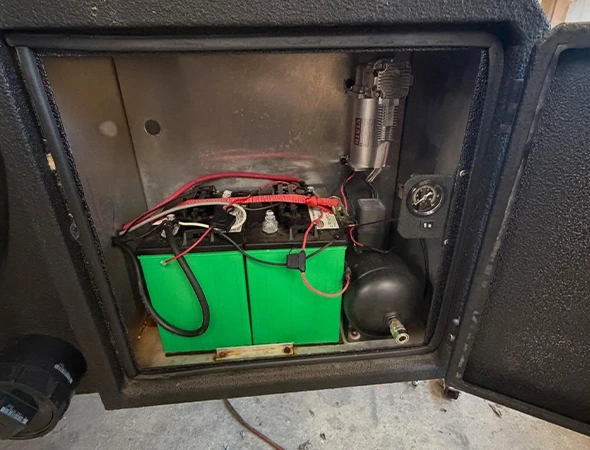
The idea of turning an empty cargo van into a rolling home has quietly grown from a niche hobby into a mainstream movement. Across the United States, more people are trading square footage for freedom, and van conversions have become the vehicle that makes it possible.
At its core, a van conversion is the process of transforming a standard van into a livable space. That might mean a simple weekend camper with a bed and a cooler, or a fully wired setup with solar panels, running water, and a kitchenette. The scope depends entirely on how a person plans to use it.
What draws so many to this lifestyle is flexibility. A converted van can serve as a weekend escape, a remote work base, or a full-time residence. The build reflects the owner, and no two are exactly alike.
Why Van Conversions Keep Gaining Ground
Interest in mobile living has climbed steadily over the past decade. Remote work loosened the ties to a single location, and travel costs pushed people to look for smarter ways to explore.
A van sits in a sweet spot. It's smaller and easier to drive than an RV, yet roomier and more comfortable than a tent. That balance appeals to solo travelers, couples, and even small families testing out life on the road.
Cost also plays a role. While a professional build can be pricey, many owners spread the work over months and tackle parts themselves. This gradual approach makes the dream feel reachable rather than out of budget.
The Range of Build Styles
Not every conversion looks the same. Some builders prioritize stealth, keeping the exterior plain so the van blends into a city street. Others lean into comfort, adding insulation, heating, and clever storage for long stretches away from home.
Popular base vehicles include the Mercedes Sprinter, Ford Transit, and Ram ProMaster. Each offers different heights, lengths, and layouts, which shapes what's possible inside.
Key Benefits of Choosing a Converted Van
The advantages go beyond travel photos and scenic views. For many owners, the practical perks matter most.
-
Freedom of movement: Home travels with you, so plans can shift without hotel bookings.
-
Lower ongoing costs: Skipping rent or nightly lodging adds up over time.
-
Personalized design: Every shelf, outlet, and cabinet fits the owner's real habits.
-
Simpler living: Limited space naturally trims clutter and encourages intention.
There's also a strong sense of community. Van owners across the United States gather at meetups, swap tips online, and help each other troubleshoot builds. That shared knowledge lowers the learning curve for newcomers.
How This Compares to Airstream Restoration
Van conversions aren't the only path to mobile living. Airstream restoration has its own loyal following, and the two often get mentioned in the same breath.
An Airstream restoration usually means bringing a vintage aluminum trailer back to working condition, blending classic style with modern comforts. It's a labor of love, and the results can be stunning.
The main difference comes down to mobility and effort. A van drives itself and parks almost anywhere, while a restored Airstream needs a capable tow vehicle. Van conversions tend to suit people who value quick, spontaneous travel, whereas restoration projects reward patience and a taste for retro charm.
Real-World Scenarios
Consider a freelance designer who spends three months driving the West Coast while meeting deadlines from a laptop. A converted van gives her a desk, power, and a bed without booking a single room.
Then there's the retired couple who wanted to visit national parks without the bulk of a large motorhome. Their mid-size van fits into standard parking spots and handles mountain roads with ease.
Reliability sits at the heart of every one of these stories. A build is only as good as the mechanical foundation beneath it, which is why owners often turn to trusted shops like Hudson Automotive Repair & Service for inspections before hitting the road. A sound engine and solid brakes matter far more than a pretty interior when you're hundreds of miles from home.
Things to Weigh Before Starting
A conversion is exciting, but it calls for honest planning. Space is limited, and every choice involves a trade-off. Adding a shower, for example, means giving up storage somewhere else.
Climate is another factor. Insulation and ventilation make a real difference for anyone traveling through both hot and cold regions of the United States. Skimping here often leads to regret later.
Budget should stay realistic too. Small upgrades add up quickly, so a clear list of must-haves versus nice-to-haves keeps spending in check.
The Bigger Picture
Mobile living continues to reshape how people think about home and travel across the United States. Van conversions offer a doorway into that world without the commitment of a permanent move.
Whether the goal is weekend adventures or a full-time lifestyle, the appeal is simple. It's the chance to wake up somewhere new while still sleeping in your own bed.
Frequently Asked Questions
How much does a van conversion usually cost?
Costs vary widely, from a few thousand dollars for a basic build to well over $50,000 for a professional job. The final figure depends on materials, features, and how much work the owner does themselves.
How long does a van conversion take?
A simple DIY setup can come together in a few weekends, while a detailed build often takes several months. Professional shops typically finish full conversions faster, depending on their schedule.
Is it legal to live in a converted van?
Living in a van is legal in many areas, but parking and overnight rules differ by city and state. Checking local regulations before settling in one spot helps avoid fines.
What's the difference between a van conversion and an Airstream restoration?
A van conversion turns a drivable van into living space, while an Airstream restoration revives a towable vintage trailer. Vans offer easier mobility, and Airstreams offer classic style with more interior room.
Which van is best for a conversion?
The Mercedes Sprinter, Ford Transit, and Ram ProMaster rank among the most popular choices. The right pick depends on budget, desired height, and how much interior space you need.
- Managerial Effectiveness!
- Future and Predictions
- Motivatinal / Inspiring
- Fitness and Wellness
- Medical & Health
- Manufacturing
- Education
- Real-Estate
- Food Industry
- Hospitality
- Online Games
- Sports
- Home Services
- Civil Engineering
- Safety and Protection
- Software Products & Services
- Fashion and Jewellery
- Artificial Intelligence
- Entrepreneurship
- Mentoring & Guidance
- Marketing
- Networking
- HR & Recruiting
- Literature
- Shopping
- Career Management & Advancement